

More than just agriculture
4-H clubs look to focus on inclusivity and broaden learning scopes
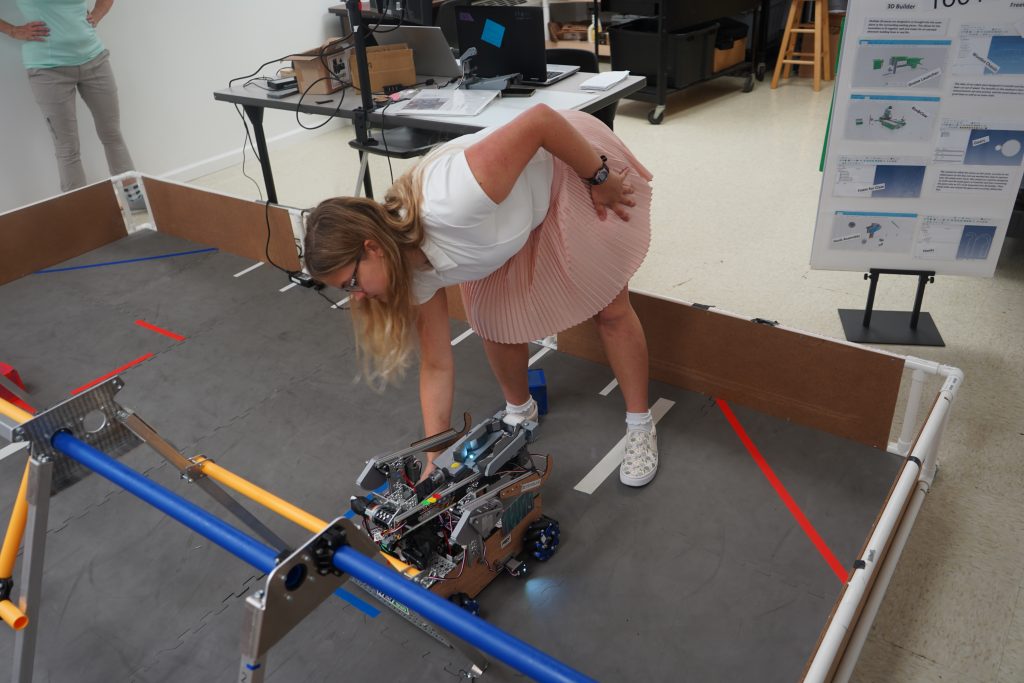
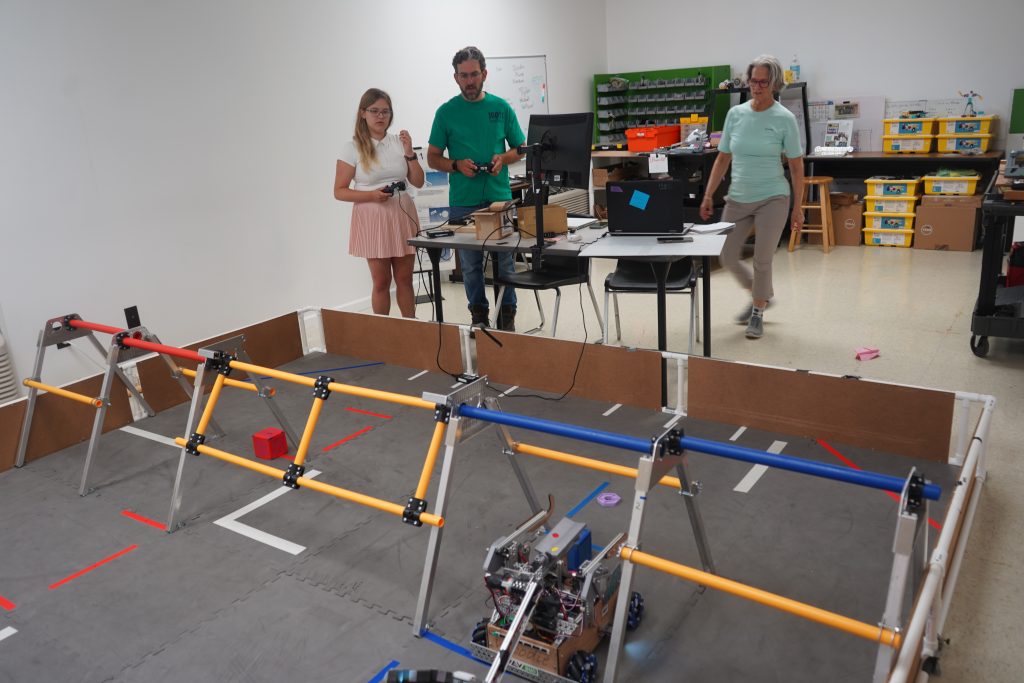
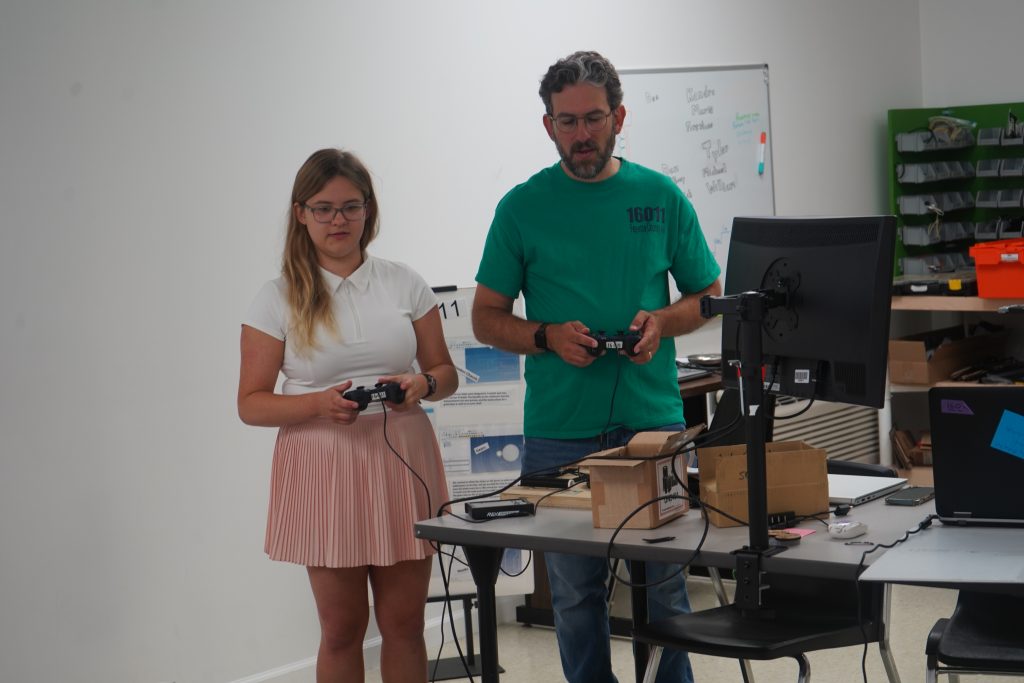
In less than 30 seconds, Woodie shuffled across a board while avoiding obstacles. At the finish line, he launched a paper airplane.
All of it was done without any assistance from the humans watching him.
The feats may sound mundane, until you take into consideration that Woodie is a robot designed by members of the Fayette County 4-H Robotics Club.
“Our team usually takes like 5 seconds to get through the obstacles,� Elyese Hughes, 18, said. “And it takes about another 8 seconds to shoot the airplane.�
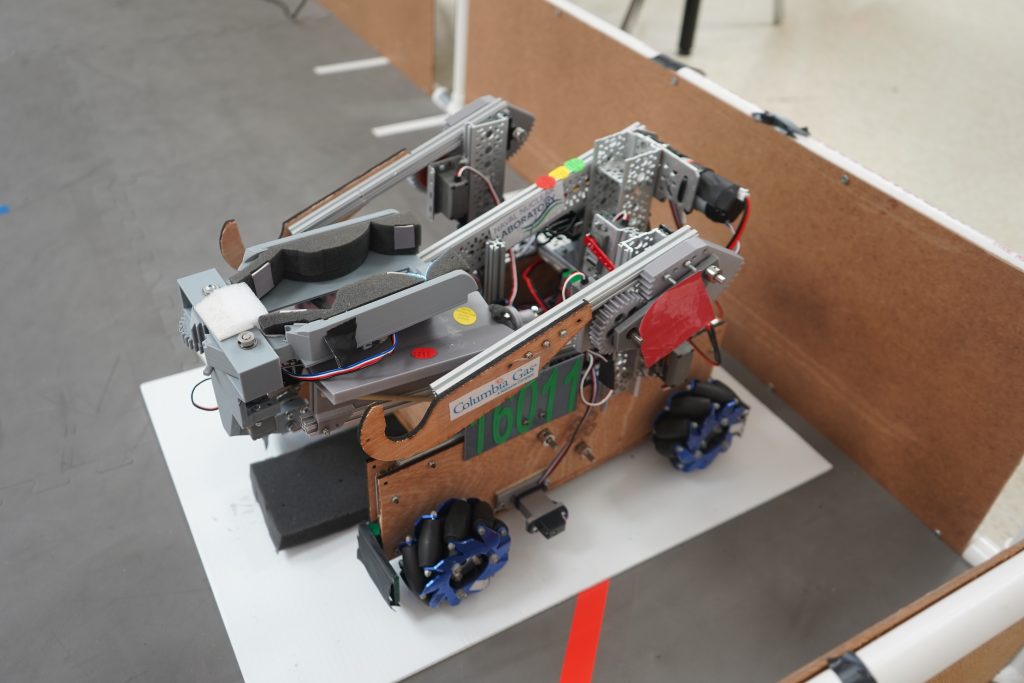
Named after Woodie Flowers, a professor of mechanical engineering at the Massachusetts Institute of Technology, the metal and wooden robot resembles a silver fire truck with sharp blue wheels. Gears, wires and machinery outline the base of the robot vehicle, and sensors can be found on the robotÄ¢¹½ÊÓƵ side to help guide its path.
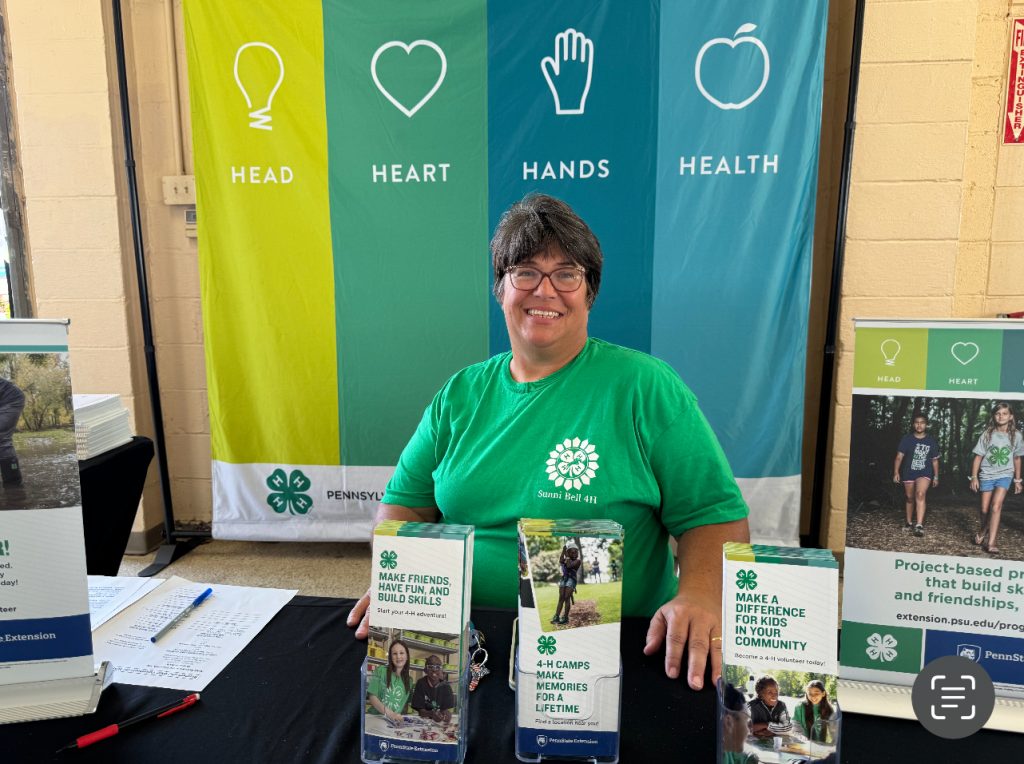
While 4-H has traditionally based its education around agriculture programming, the Washington County and Fayette County branches have groups that expand the conventional aspect of the youth organization. Whether itÄ¢¹½ÊÓƵ a robotics club that teaches students about engineering and teamwork or an online class that incorporates different cultures, the expansion of 4-H programs is focusing on educational inclusivity.
“I think people are starting to realize that 4-H is more than just about animals, thereÄ¢¹½ÊÓƵ more to it,â€� said Sheila Hackinson, a positive youth development educator in Washington County. “And I think in our school systems we’re losing the ability to do cooking and sewing … so 4-H allows extracurricular activities to learn those life skills.â€�
Hackinson, of Hickory, teaches an online cooking class that focuses on the cultural aspect of the culinary arts. Students have made dishes from all regions of the U.S., including “Island-Style Fried Rice� from Hawaii, featuring SPAM.
She launched the weekly interactive class during the pandemic, and it has grown from eight members to around 30. The sessions teach students cooking techniques, food safety and cultural awareness.
Like robotics, HackinsonÄ¢¹½ÊÓƵ club includes STEM teaching objectives blended with an artistic and social aspect. The children are also encouraged to learn about the different foods they are making.
“The kids really respond to that kind of contextual information,� Hackinson explained. “It makes them more engaged and curious to learn about the world through food.�
The social aspect of the Fayette robotics club was a draw for Hughes. So was the cooperative spirit among the clubÄ¢¹½ÊÓƵ members.
“It teaches us how to work together, especially when it comes to something we’re not really sure how to do, so when we have different people come up with different ideas it really helps us learn how to work as a team,� she said.
The Masontown teen was the team manager last year, and while sheÄ¢¹½ÊÓƵ graduated out of the club, she plans to come back to help during breaks from college.
Jeremy Hughes of Masontown is one of the engineer mentors for the Fayette County club. He said the club not only brings in students who have natural inclinations toward programming and engineering, but also fills an important educational gap.
“I think itÄ¢¹½ÊÓƵ important that we have these kinds of programs in places like Fayette County, which I call ‘technology deserts,â€� he said.
He and Mary Ann Hughes, ElyseÄ¢¹½ÊÓƵ parents, started the club 11 years ago. Over that time, the challenges undertaken by its members have evolved.
The club started out using LEGO Mindstorms, a LEGO program that uses the toy blocks to build programmable robots. Members have since evolved into participating in the FIRST Tech Challenge, a global robotics competition for middle and high schoolers.
“ItÄ¢¹½ÊÓƵ the worldÄ¢¹½ÊÓƵ leading nonprofit youth STEM program,â€� Mary Ann Hughes said. “Kids from all around the world are competing in it every year.â€�
Starting around September the FIRST Tech Challenge program issues instructions and a theme for the yearÄ¢¹½ÊÓƵ game. Teams are required to provide a robot that must do several tasks as well as work with teams from different areas to compete for a chance to move on in the tournament. Different students have different roles which allow team members to use a variety of skill sets from programming, engineering, digital literacy, physics and even social media.
Using funds raised through a 4-H benefit auction, Washington County plans to follow suit with a robotics club, Hackinson said. It’ll provide another outlet for those interested in STEM fields, she said.
“We want every young person to find their passion through 4-H, whether thatÄ¢¹½ÊÓƵ raising chickens or learning to code,â€� Hackinson said. “The skyÄ¢¹½ÊÓƵ the limit when it comes to developing essential life skills.â€�