

‘A fitting tribute’
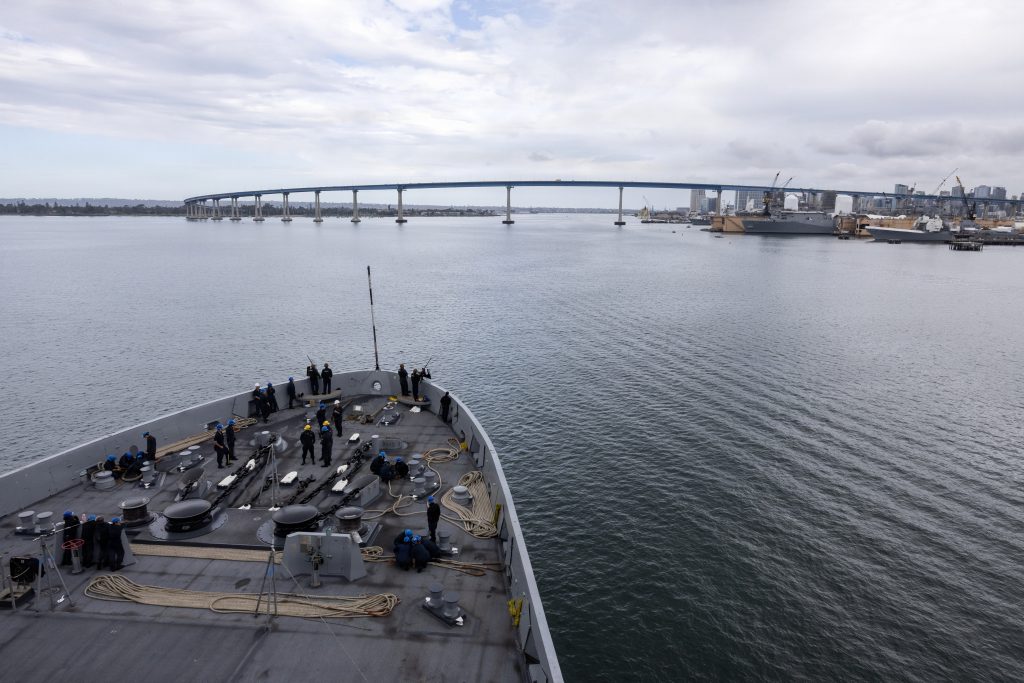
When the Artemis II astronauts splash down off the coast of San Diego on Friday, a ship with strong local ties will be waiting for them.
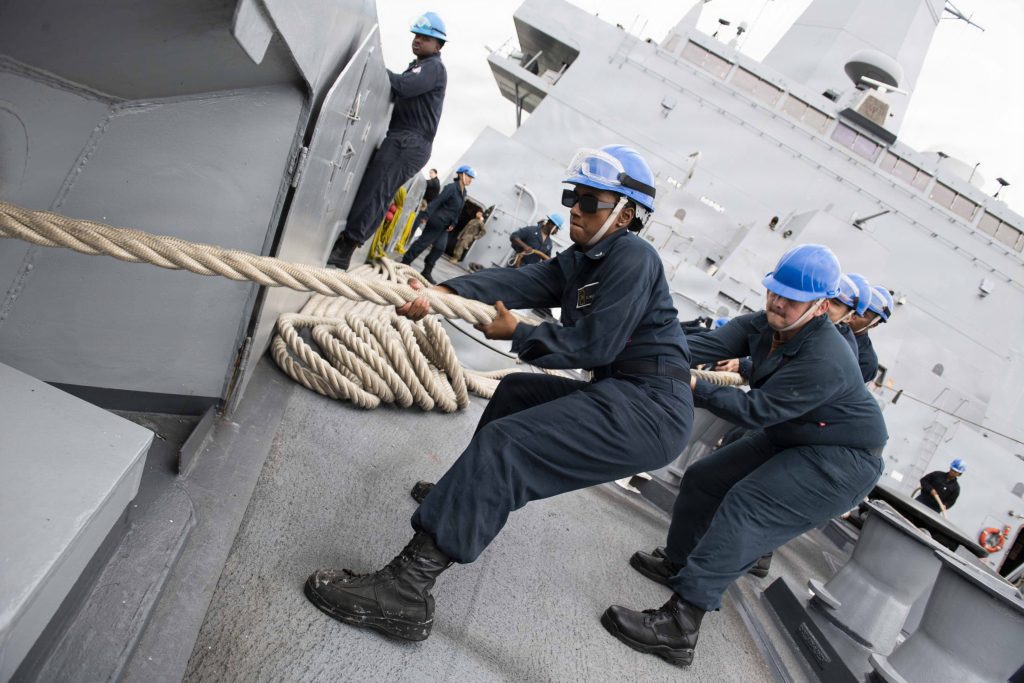
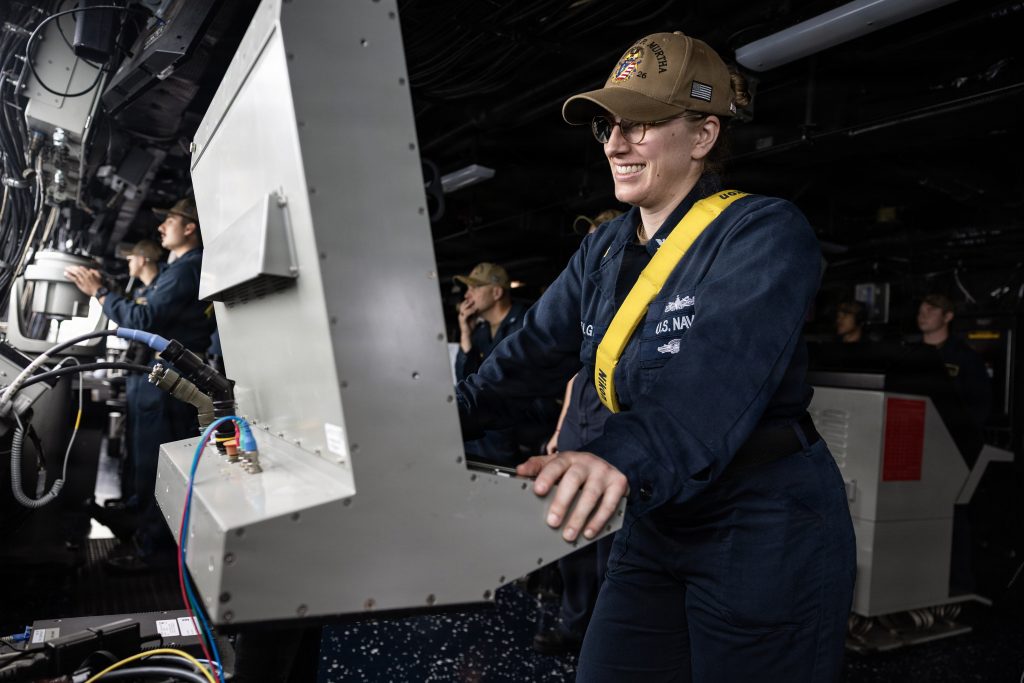
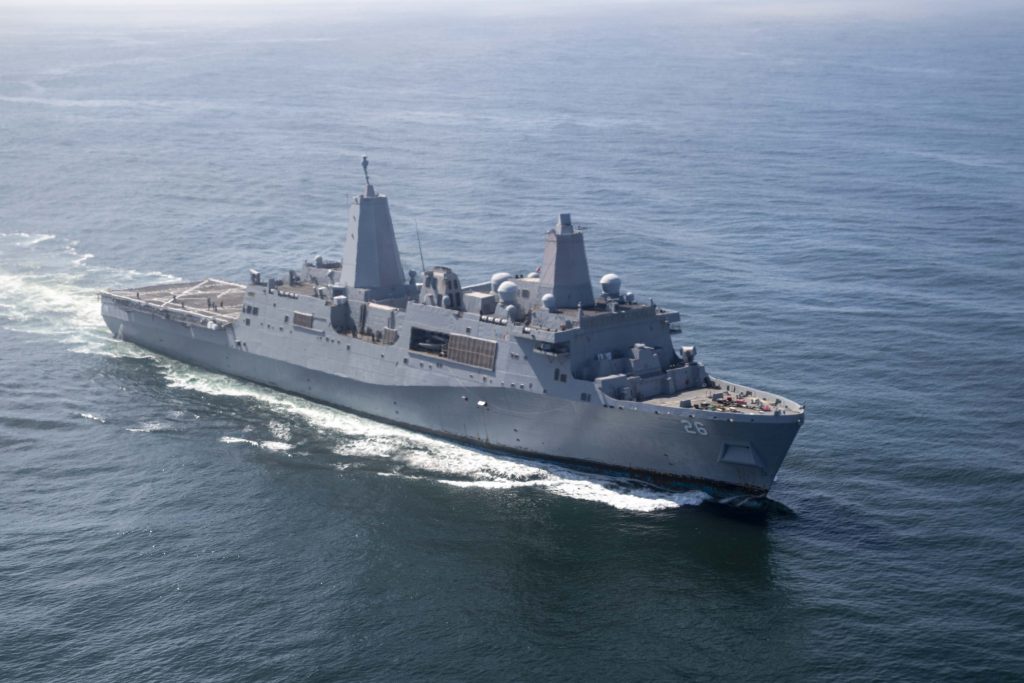
Hundreds of military personnel and civilians aboard the USS John P. Murtha will work together to bring the four astronauts aboard the Orion capsule to safety.
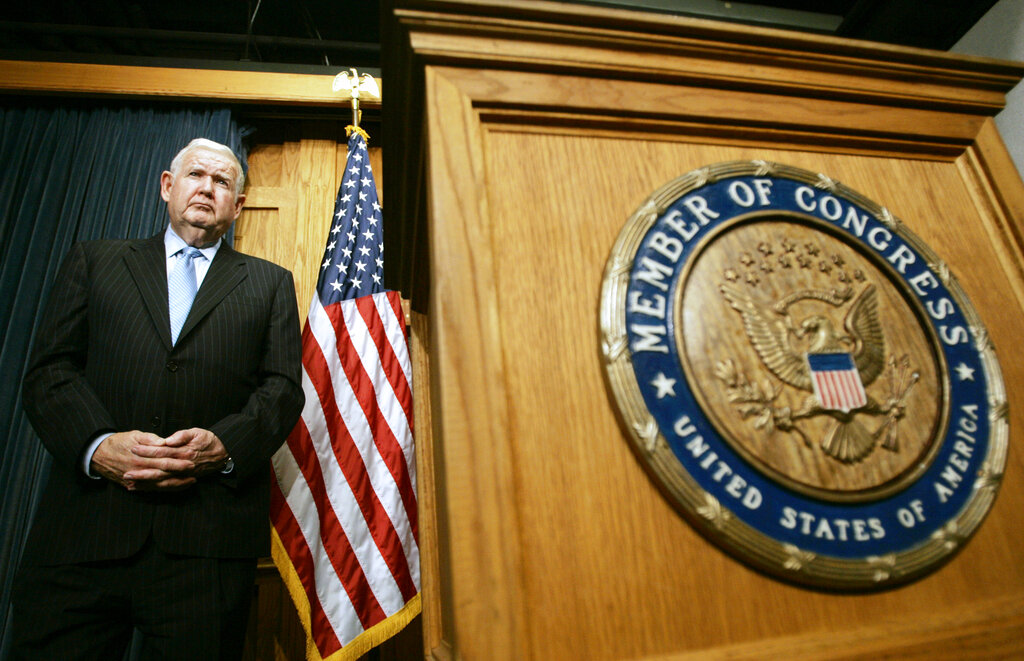
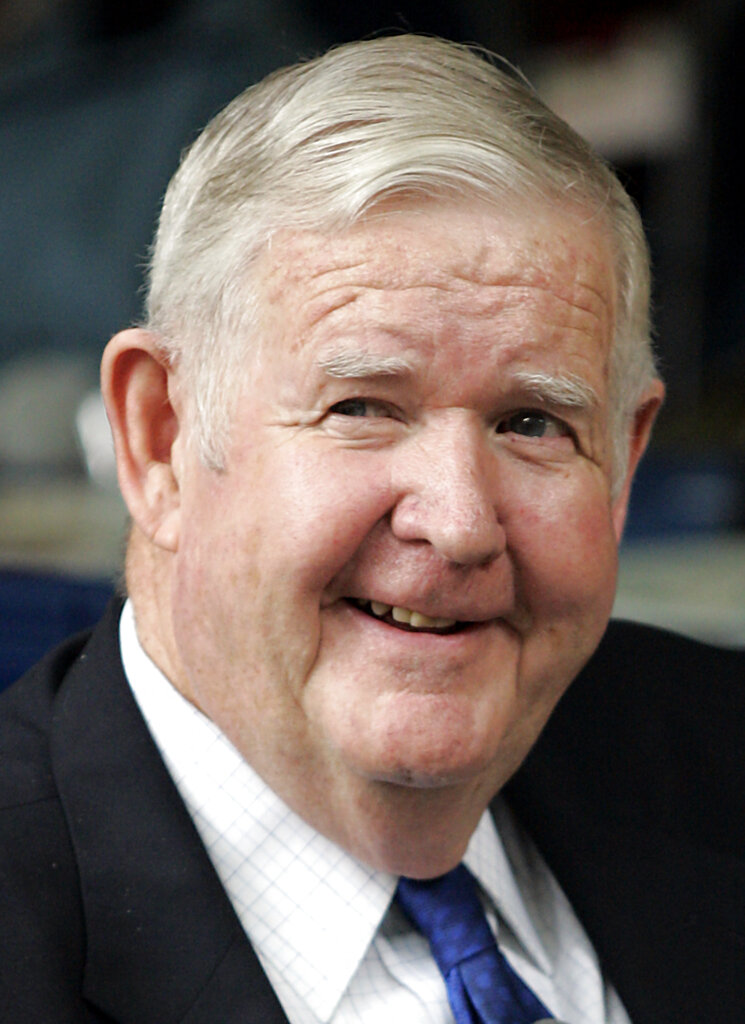
Murtha served as a Democratic congressman for 36 years, representing Fayette, Greene, Washington and other counties in the region. He also served in the Marine Corps, serving in the Korean War and Vietnam, earning the Bronze Star with Valor, two Purple Hearts and the Vietnamese Cross of Gallantry.
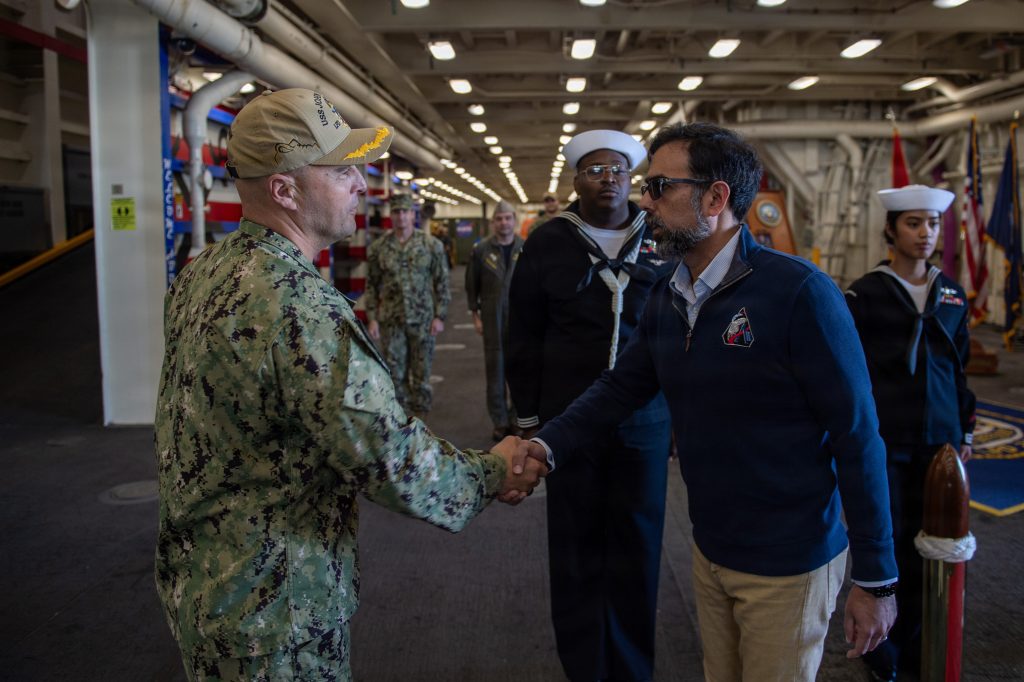
Capt. Erik Kenny, commanding officer of the ship, called Murtha “a champion for our military and a visionary.�
“It is a fitting tribute to Congressman Murtha, who dedicated his life to serving our nation, that the ship bearing his name will be integral to this historic moment in space exploration,� Kenny said.
Murtha, who attended Washington & Jefferson College, served in the U.S. House of Representatives from 1974 until his death in 2010. He is the longest serving congressman elected from Pennsylvania.
His namesake ship was commissioned in 2016.
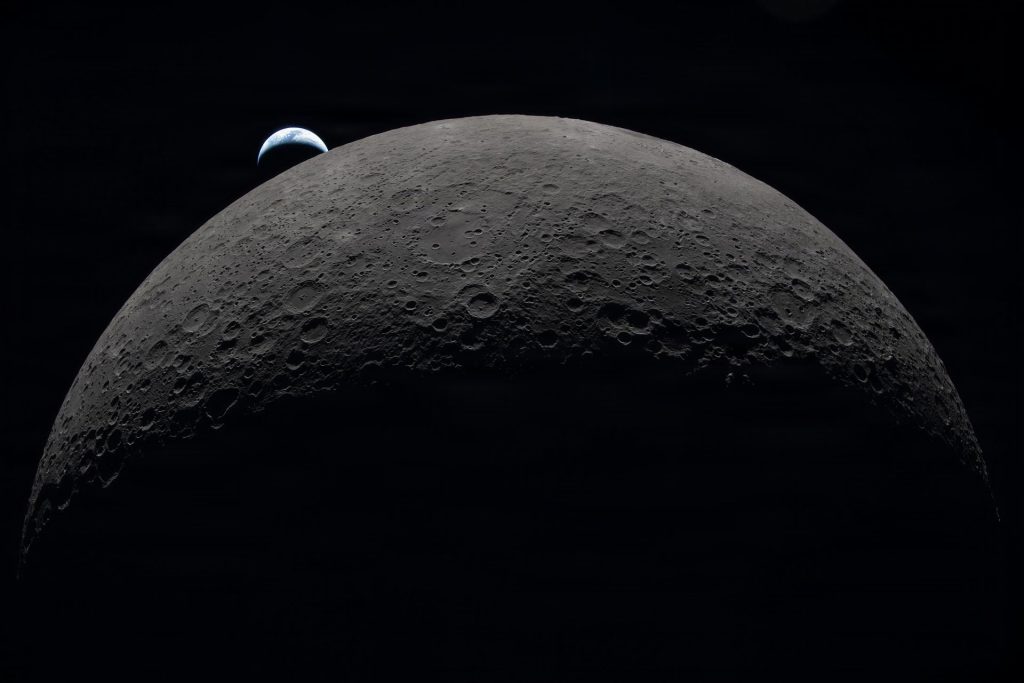
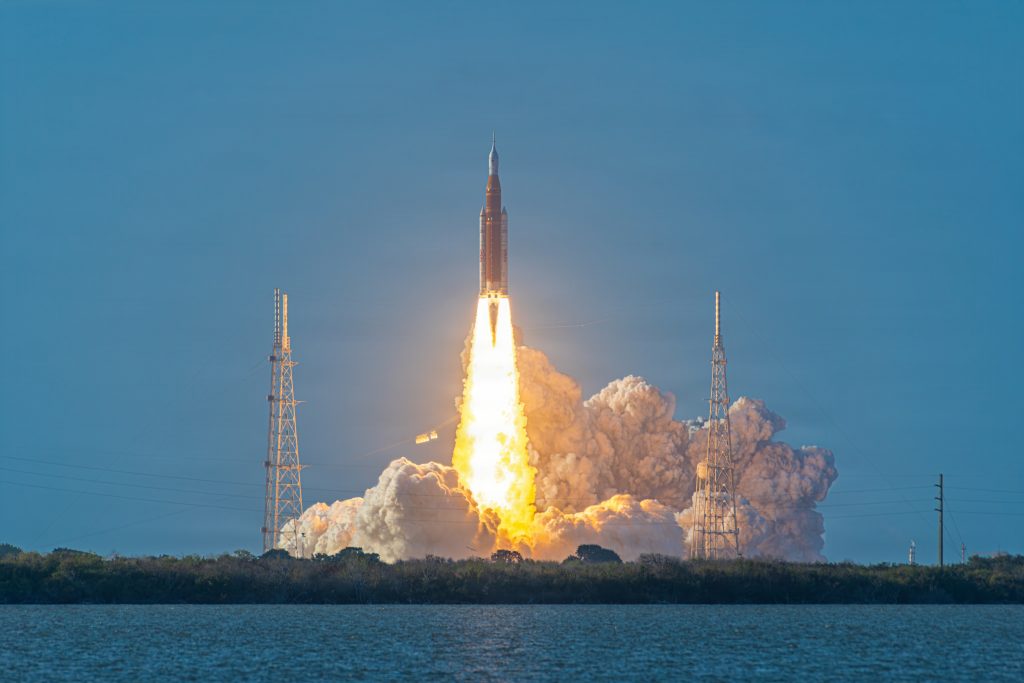
Earlier this week, Artemis II completed a record-breaking trip around the moon filled with lunar far side views and a total solar eclipse. The astronauts are the first lunar explorers since Apollo 17 in 1972. Their mission sets the stage for next yearÄ¢¹½ÊÓƵ Artemis III, a lunar lander docking demo in orbit around Earth. Artemis IV will follow in 2028 with two astronauts attempting to land near the lunar south pole.
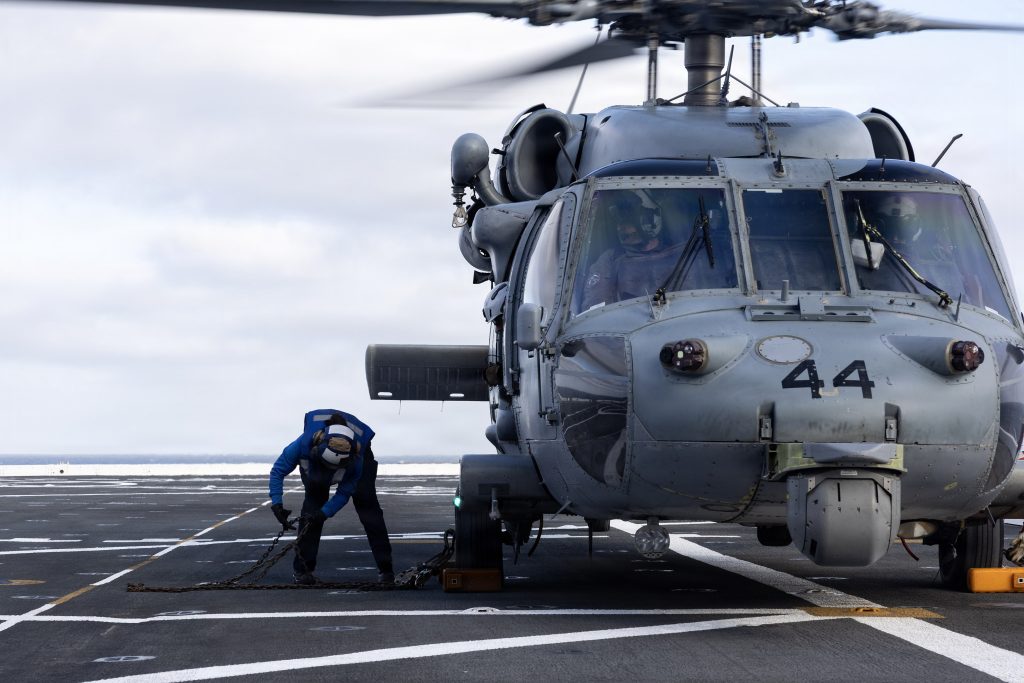
Lt. Cmdr. Kristi Johnson, Expeditionary Strike Group 3 public affairs officer, said the USS John P. Murtha was selected for the mission for its unique advantages, including a helicopter pad, onboard medical facilities and the communication capabilities needed to support the mission.
David Columbus, a physics and geometry teacher at Trinity High School, explained that as Orion hurtles toward Earth, it will move at about 25,000 mph. He said crew members will experience 4G acceleration, meaning the force makes someone who weighs 120 pounds weigh 480 pounds.
Air resistance will slow them down, Columbus said, then parachutes that are roughly the size of a football field will deploy. The first will stabilize the craft so that it lands where it should. A second sequence of parachutes will slow the crew module to about 20 mph, he said.
“When they land, it will be similar to the collision you would experience in a 15 to 20 mph car crash,� Columbus said.
The ship will be within a few nautical miles from where the capsule will land in the Pacific Ocean, Johnson said.
Once itÄ¢¹½ÊÓƵ in the water, an air porch will deploy, allowing the astronauts to exit.
Navy helicopters will recover the astronauts and bring them to the shipÄ¢¹½ÊÓƵ flight deck, and Navy divers and dive medical personnel will conduct medical assessments, Johnson said.
Columbus said the landing is “a pretty incredible experience to watch.�
The work done by so many people to make the mission possible is also incredible, Columbus said.
“This is the great part about being in America. ItÄ¢¹½ÊÓƵ all about coming together … as one to accomplish a mission.â€�
During his time in office, Murtha was often lauded by local elected officials for advocating for the districts he represented, and for bringing them together for the greater good.
“We are honored to carry on his legacy by supporting NASA and the Artemis II mission,� Kenny said.