

New permanent exhibit highlights the life and work of playwright August Wilson
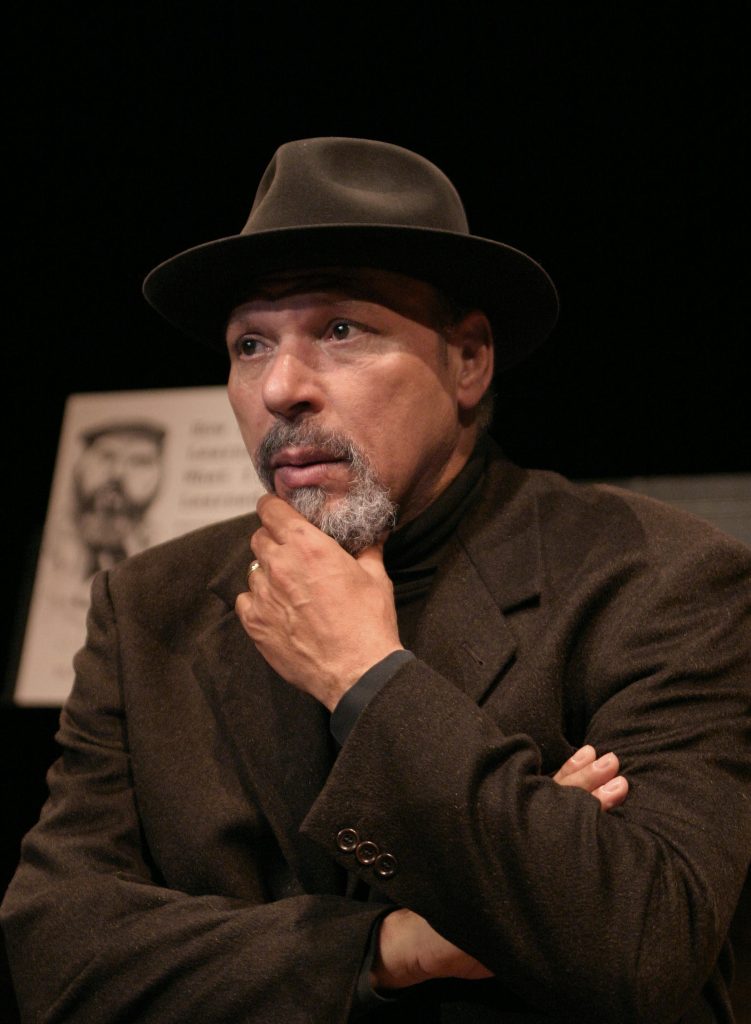
Playwright and Pittsburgh native August Wilson.
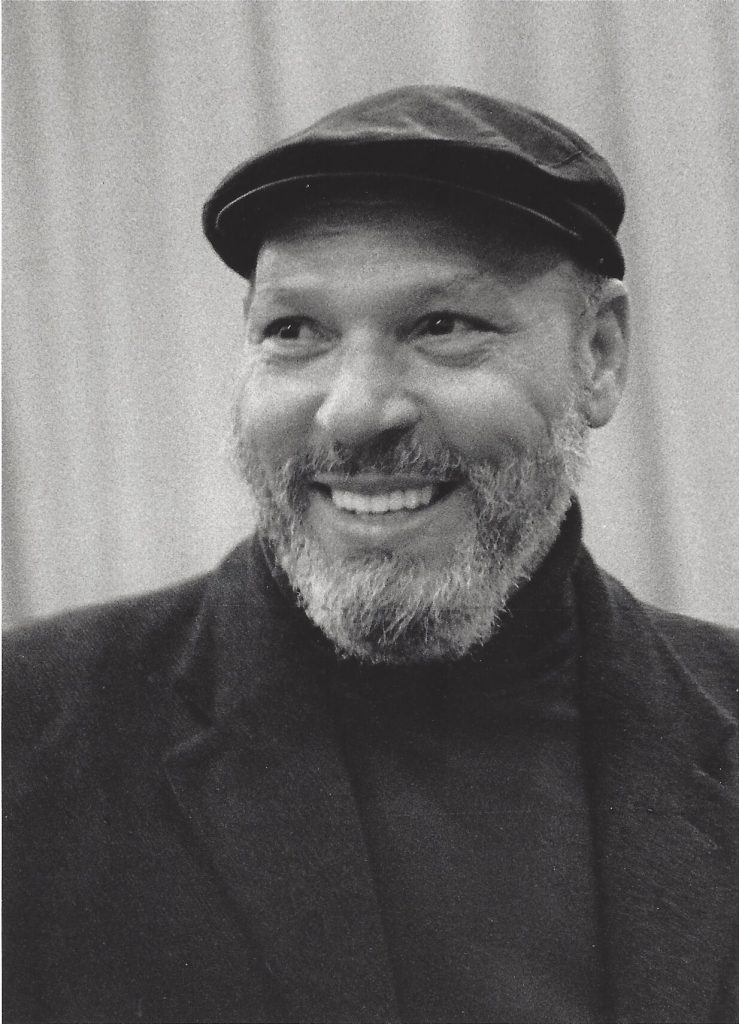
August Wilson, the playwright whose work is explored in the exhibit "August Wilson: The Writer's Landscape."
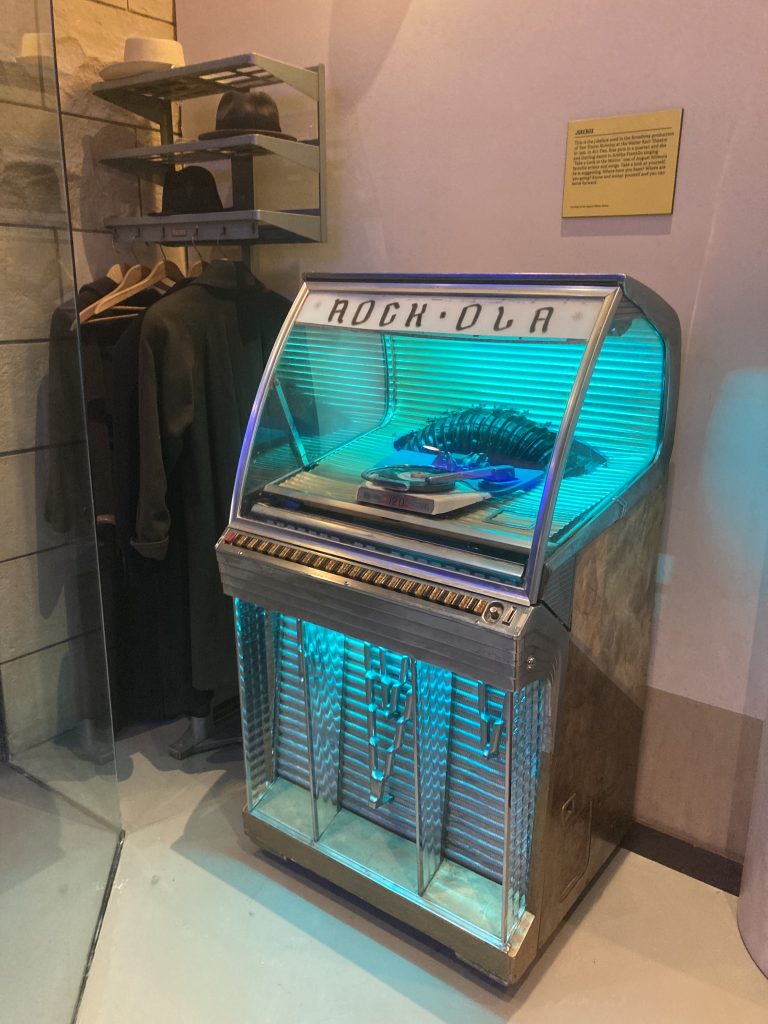
A jukebox in the exhibit "August Wilson: The Writer's Landscape" in Pittsburgh.
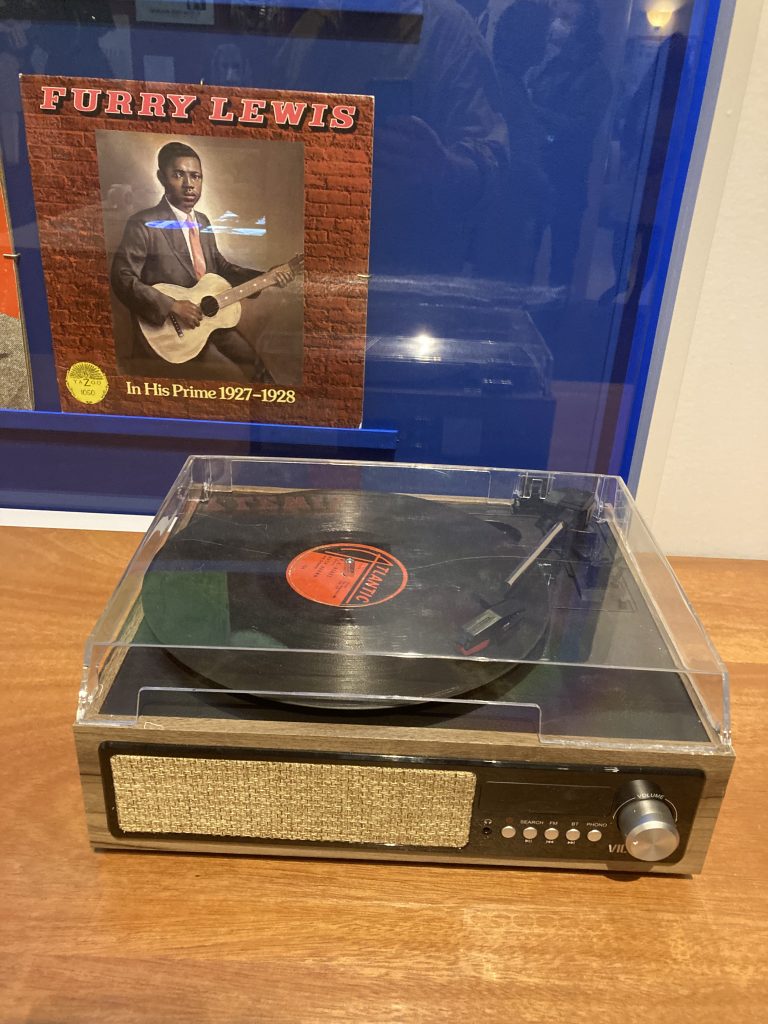
A record player and album on display in "August Wilson: The Writer's Landscape" highlight the influence of blues music on the playwright's work.
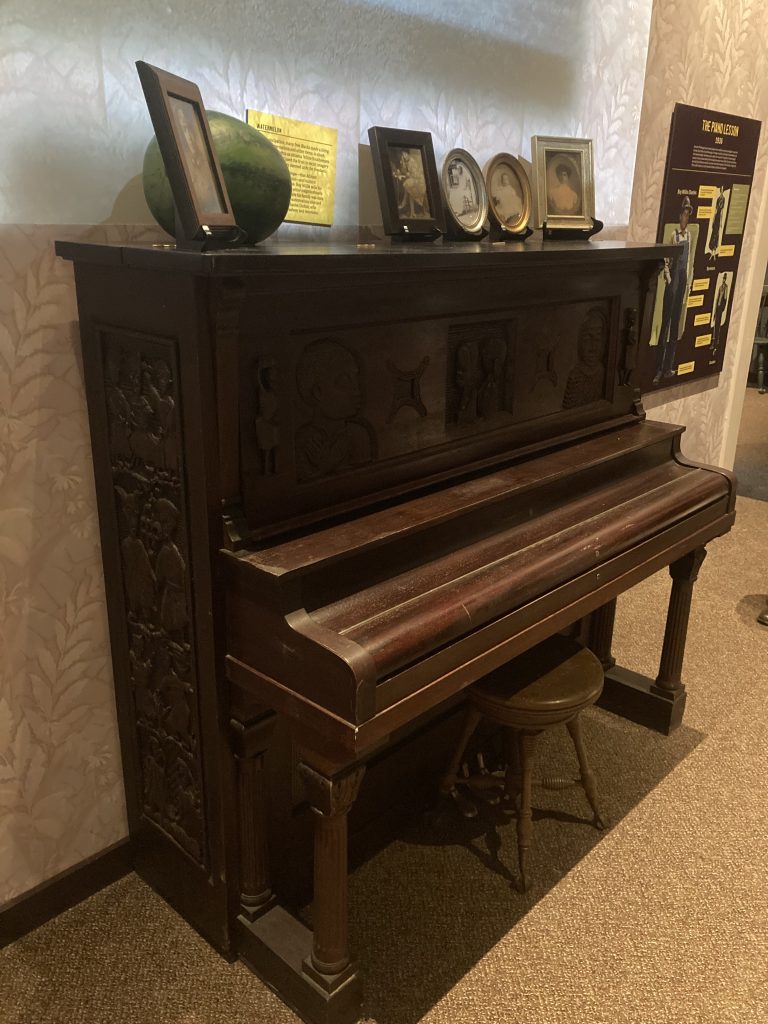
A piano in "August Wilson: The Writer's Landscape" is the focus of a portion of the exhibit that looks at Wilson's play "The Piano Lesson."
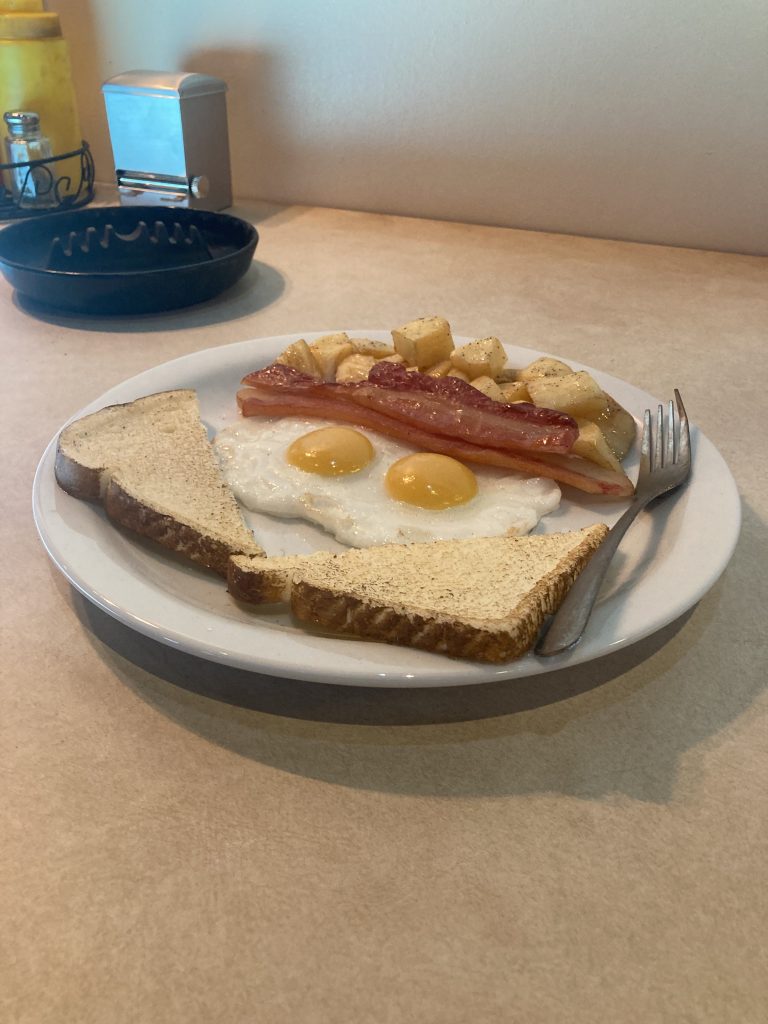
A plastic rendering of diner food can be found in the exhibit "August Wilson: The Writer's Landscape."
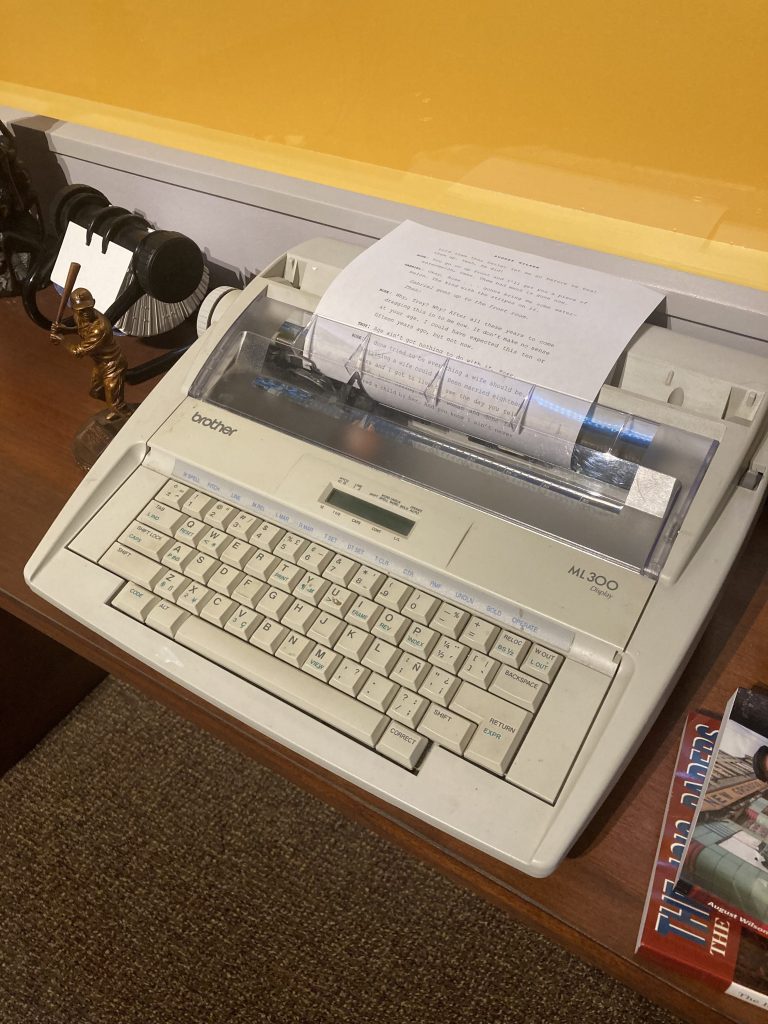
A typewriter used by playwright August Wilson is on permanent display in the exhibit "August Wilson: The Writer's Landscape."
PITTSBURGH–William ShakespeareÄ¢¹½ÊÓƵ name is on 37 plays, Tennessee Williams wrote 29 in his lifetime and Arthur Miller penned 25.
August Wilson was not nearly as prolific. He broke through with “Jitneyâ€� in 1982 when he was 37, and followed with a staggering burst of creativity. “Ma RaineyÄ¢¹½ÊÓƵ Black Bottom,â€� “Fences,â€� “Joe TurnerÄ¢¹½ÊÓƵ Come and Goneâ€� and “The Piano Lessonâ€� all tumbled out of his typewriter over the next five years. Wilson created just five more plays before being claimed by liver cancer at age 60 in 2005. However, those 10 plays are considered among the premier works of American drama in the last 50 years, offering illuminating explorations of the issues the Black community confronted in the 20th century.
Wilson hailed from PittsburghÄ¢¹½ÊÓƵ Hill District and most of his plays are set in the city, but there has not been a permanent exhibit examining WilsonÄ¢¹½ÊÓƵ life and oeuvre in the area until now. “August Wilson: The WriterÄ¢¹½ÊÓƵ Landscapeâ€� opened last week at the August Wilson African American Cultural Center in downtown Pittsburgh. The 3,600-square-foot exhibit contains relics from WilsonÄ¢¹½ÊÓƵ life, props from plays and video synopses of them that tell both the playwrightÄ¢¹½ÊÓƵ story and the story of the time in which he lived and worked.
Wilson “used theater to give voice to the people and places that shaped his worldview,� according to Tracey McCants Lewis, who chairs the board of the August Wilson African American Cultural Center.
The center collaborated on the exhibit with Constanza Romero-Wilson, the playwrightÄ¢¹½ÊÓƵ widow, who said, “I was absolutely thrilled to have a place dedicated to his legacy that I hope will continue to outlive us all. ItÄ¢¹½ÊÓƵ a lasting monument to my late husbandÄ¢¹½ÊÓƵ contributions to American cultural history.â€�
Wilson enjoyed working in coffee shops, and the first stop on “August Wilson: The WriterÄ¢¹½ÊÓƵ Landscapeâ€� is a replica of a coffee shop like those he might have frequented in the 1960s. There are plastic eggs, toast, hash browns and bacon on the counter that are, alas, not edible, but visitors will nevertheless be able to sit at the counter. A vintage 1956 jukebox that was used in a Broadway production of “Two Trains Runningâ€� is in the corner, and headlines from newspapers and magazines from the 1960s are enshrined on the walls. Visitors then step into a replica of his home office. The writing desk he used is there, and the books and records on the shelves, which include “The Autobiography of Malcolm X,â€� “The Diary of Che Guevaraâ€� Alex HaleyÄ¢¹½ÊÓƵ “Roots,â€� and “Muddy Waters at Newport 1960,â€� point to his influences.
The lionÄ¢¹½ÊÓƵ share of the exhibit is taken up by “The Street,â€� which has a gallery dedicated to each of WilsonÄ¢¹½ÊÓƵ plays. They also look at events that were unfolding in Pittsburgh and around the country in the decades in which the plays are set. Besides his writing desk and the jukebox, other items from WilsonÄ¢¹½ÊÓƵ collection represented in the exhibit are a 1940s RCA radio that was in the 1996 Broadway production of “Seven Guitars,â€� and prop masks in the 2004 Broadway production of “Gem of the Ocean.â€�
Janis Burley Wilson, president and CEO of the center, and no relation to the playwright, said, “This project is definitely a global attraction and a love letter to our namesake.�
Access to the exhibit is free. Registration for timed tickets are available at aacc-awc.org. The centerÄ¢¹½ÊÓƵ phone number is 412-339-1011.