

Music review: Elvis Costello – ‘The Boy Named If’

It all started back in 1977 with 13 gritty tracks of punk passion from a nerdy-looking English musician resembling Buddy Holly.
“My Aim Is True” was infectious, witty, cynical and empowering as a vigorous expression of youthful angst. With his dynamic debut, Elvis Costello became one of the voices for a new generation eager to find a place to fit in as part of a turbulent and confusing world.
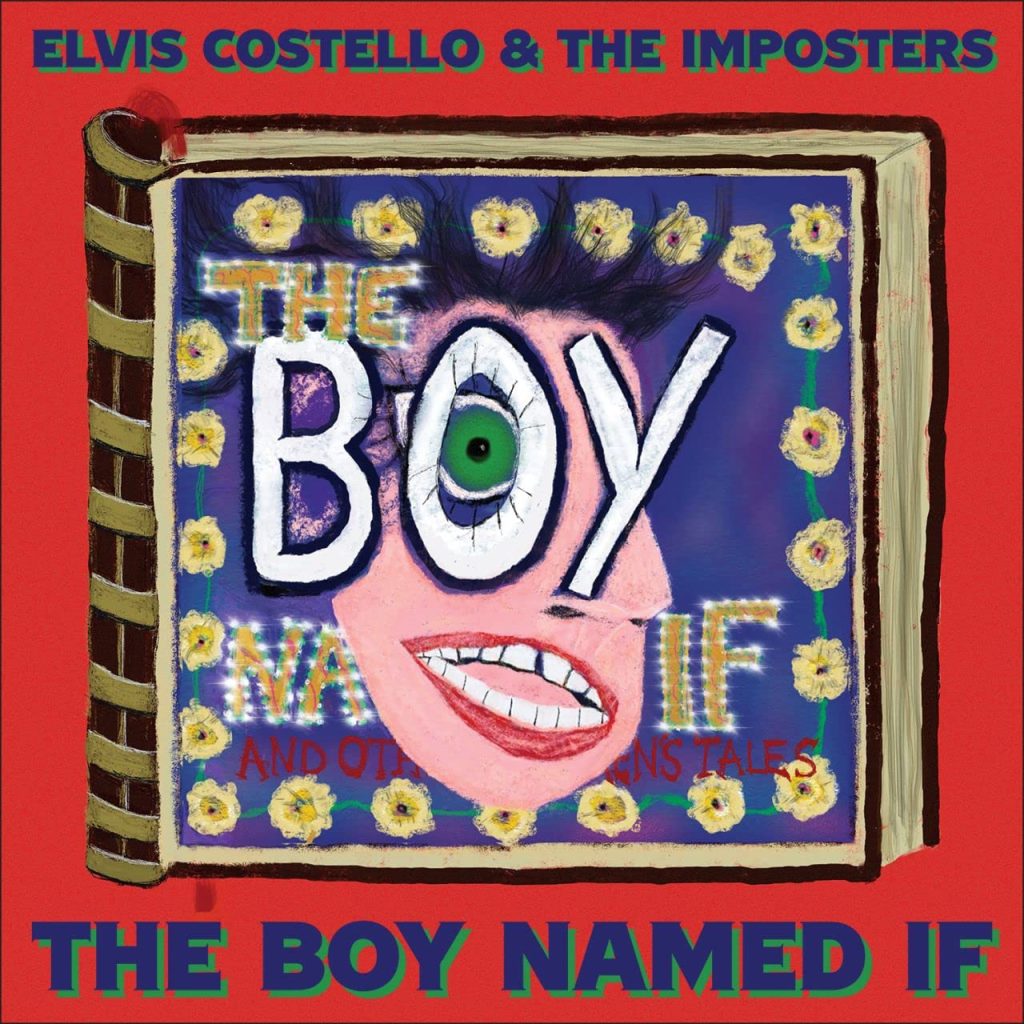
Forty-five years later, Costello is still up to his old tricks with the release of his 32nd studio album. Recorded remotely with the Imposters, “The Boy Named If” finds Costello dishing out another 13 tracks that spotlight his lyrical wit and keen observations about navigating lifeĢ¹½ÊÓƵ unexpected turns.
“I’m a lucky so and so/A fortunate stiff,” announces Costello on the title track as if to prove the more things change, the more they stay the same.
For the new material, 67-year-old Costello crafts a musical collection that focuses on the awkward period when we have to put aside childish ways in an effort to prepare for more mature endeavors.
“Farewell, OK” opens the set as a rousing split-up number that rings of disappointment and frustration as Costello robustly declares, “I thought you’d change/And get a little humble/You strike your strange disposition like a drummer hits a cymbal.”
“My Most Beautiful Mistake” features a guest appearance by Nicole Atkins. ItĢ¹½ÊÓƵ a common tale about a struggling waitress with bigger ambitions being charmed by a customer offering fame and fortune. Ultimately, itĢ¹½ÊÓƵ a risky cat-and-mouse game that is sure to end badly for everyone involved.
Being a huge fan of CostelloĢ¹½ÊÓƵ 1998 collaboration with Burt Bacharach on “Painted from Memory,” the piano-led “Paint the Red Rose Blue” depicts the same simplistic vulnerability about a disappointing relationship. It showcases CostelloĢ¹½ÊÓƵ heartfelt vocals with him softy singing, “The words that came to him/Both the lies and the threats/They arrived all too easily.”
From the whimsical charm of “Penelope Halfpenny” to the menacing tone of “Magnificent Hurt” to the tender crooning offered on “Mr. Crescent,” Costello demonstrates that his aim is still indeed true after all these years.