

Enhance your backyard with a birdhouse
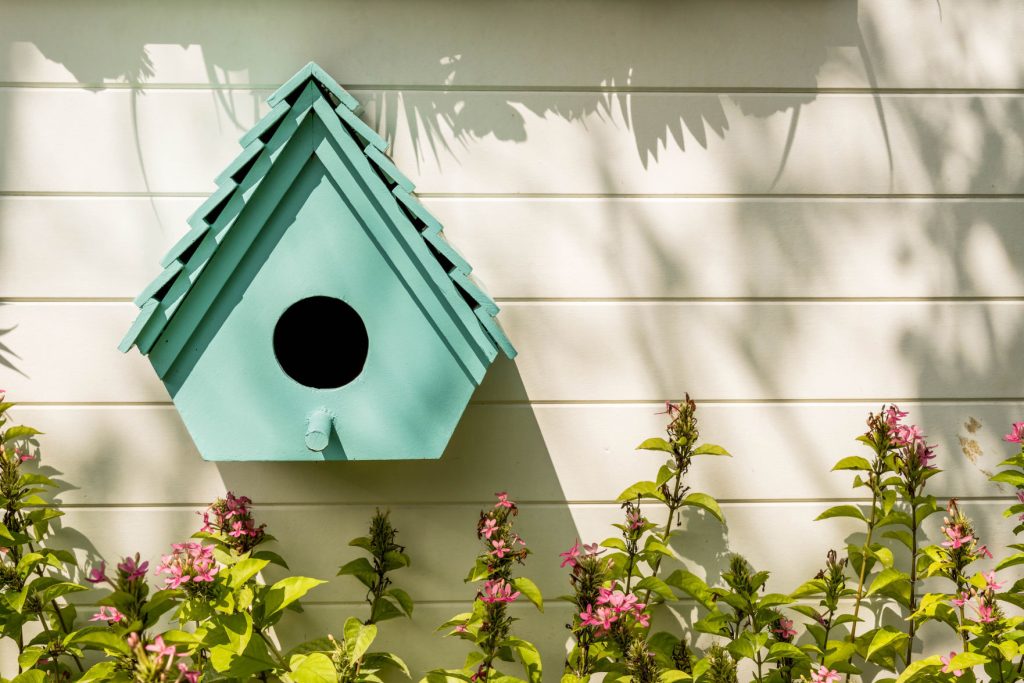
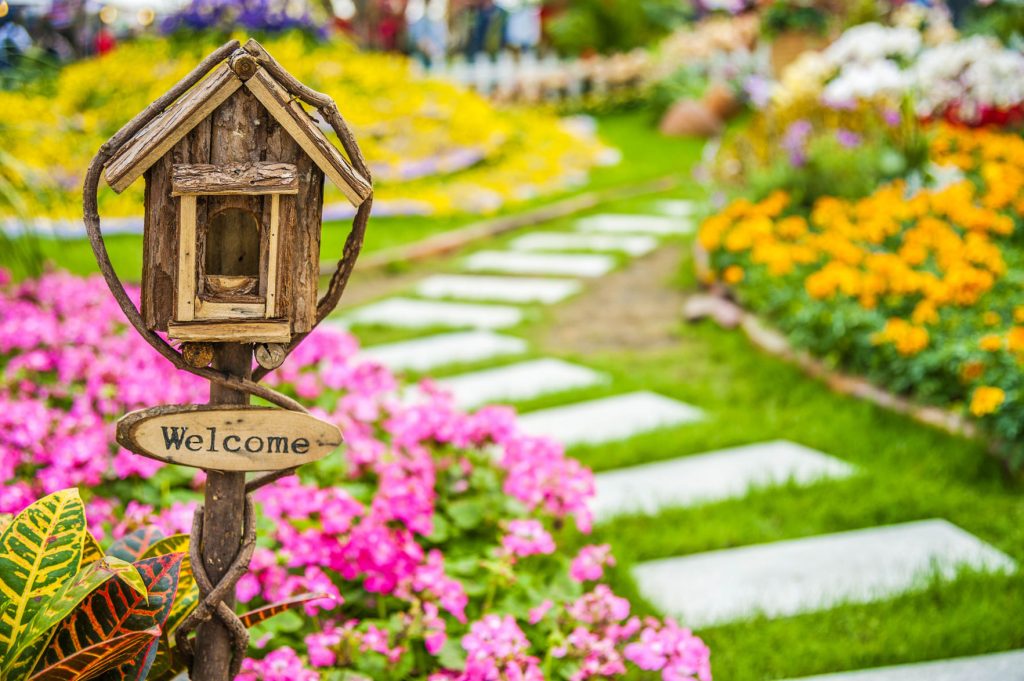
As wildlife becomes more active in the spring, one of the joys of being a homeowner can be installing birdhouses on your property.
“ItÄ¢¹½ÊÓƵ not going to hurt the animals. It can only help,â€� said Brandon Bonin, state game warden, who works in Fayette Coounty.
ThereÄ¢¹½ÊÓƵ a large variety of birdhouses that can be purchased or built to suit birds in your area. Different species prefer different birdhouses.
Barbara Wallace, environmental education specialist for Ohiopyle State Park, recommends a field guide to identify birds in your backyard.
The Pennsylvania Game CommissionÄ¢¹½ÊÓƵ website also offers information on a variety of animal species, including birds, as well as plans to build a variety of houses for these animals.
Go to the commissionÄ¢¹½ÊÓƵ website at www.pgc.pa.gov and do a search for Wildlife Notes, which will lead to a list of animal species. Bonin noted there are many bird species on the list. Click on a particular bird and you can call up information about that animal. Some examples are blue jays, hummingbirds, sparrows and wrens.
Do another search for Wildlife Home Plans and a page comes up with lists of animals for which you can build houses or shelters, including the American Robin, Eastern Bluebird and House Wren as well as larger birds, such as owls, ducks and geese.
Both Bonin and Wallace noted you can build or purchase a birdhouse to attract the birds you want to attract and keep out the birds that you don’t want.
Special attention has been paid in recent years to the Eastern bluebird, which nests throughout Pennsylvania but whose numbers were down in the 20th century.
Wallace noted Ohiopyle has 40 bluebird boxes and that most state parks have a bluebird trail. While numbers for the bluebird are up, you can still offer help with a birdhouse.
But make sure you are placing your birdhouse where the birds want to be.
The Pennsylvania Game Commission websiteÄ¢¹½ÊÓƵ information on the Eastern Bluebird includes this:
“People frequently ask the Game Commission why bluebirds won’t use a nest box they’ve placed in their yard,� said Doug Gross, Game Commission ornithologist. “More often than not the reason is the box was placed in an undesirable location. People often mistakenly place nest boxes in places where they’d like to see them, rather than locations that satisfy bluebirds.
“A box is best placed on a post — not a tree trunk — four to six feet off the ground in direct sunlight. Preferred locations are open backyards, meadows, near fencerows or agricultural fields, and around cemeteries or athletic fields. Boxes placed too close to houses and other buildings, waterways and wetlands, or forested and brushy areas will attract nesting competitors and predators.�
If you are placing a birdhouse on a post, Bonin said, “Place it about 4 or 5 feet high — chest level.�
Both Wallace and Bonin said not to put the birdhouse too close to your own home.
“They don’t want to be with you. You want to give them some privacy,� said Wallace, “and you don’t want them hitting the windows.�
“Have the birdhouse face a yard or meadow so the birds can look out and see insects,� Bonin noted.
The game warden also advised against putting out bird feeders, saying the food will attract bears, even in town.
While he commented that itÄ¢¹½ÊÓƵ human nature to want to care for animals, Bonin said, “Wildlife is self-sustaining.â€�
While setting up your birdhouse, you might also want to attach a predator guard: a device that will keep animals, such as raccoons, from climbing up the pole to get at the birds or their eggs. There are plans for a predator guard on the game commission website as well on the Wildlife Home Plans page.
Bonin recommends using this metal guard instead of a lightweight plastic one, noting, “Raccoons are very strong and agile.�
Once you set up your birdhouse, you can enjoy the fun of watching the birds.
“After they have babies, they are active all day because they are feeding their babies. When they’re nesting, you’ll not see a lot of activity. You can tell when they’ve had babies because they’re in and out constantly,� said Wallace.
As birds nest in the spring, you would generally want to clean and make repairs to birdhouses each year in late winter when the houses are vacant.
“We clean in late February or March. You can leave a side on the box that you can open. Most are hinged so you can clean them,â€� said Wallace. “ItÄ¢¹½ÊÓƵ still okay now unless itÄ¢¹½ÊÓƵ a bluebird (who might be nesting). If you open it and you see eggs in it, leave it alone. Bluebirds are tolerant of you looking in. Other birds are not. They’ll bomb you.â€�
If you like, you can repaint your boxes and make repairs, such as fixing the roof. Wallace noted some people put shingles on the roofs.
Bonin said advised to use light paint if you are going to paint the birdhouse, saying, “Dark colors attract heat so you’ll heat it up. You want it to be used.�
Bird houses can be a welcome addition to your home or property.
“They are a good way to learn about birds,� said Wallace, adding, “If you don’t know something, you don’t love it. Getting to know birds gives you an appreciation for them. �
If you would like to learn more birds, Ohiopyle State Park, which has been designated as an Important Migratory Birding Area, is hosting a bird hike on MotherÄ¢¹½ÊÓƵ Day, May 13. Participants will meet at 8 a.m. at the Kentuck Campground contact station. The website says these hikes are roughly two hours over rolling terrain.