

Most likely spots where mold will grow in a home
Mold is a type of fungi that is found both indoors and outdoors. When mold grows inside, the health of people who spend time in the home or business where it grows can be in jeopardy.
According to the Centers for Disease Control and Prevention, moldy environments may cause stuffy nose, wheezing, red or itchy eyes, and even skin conditions. The Institute of Medicine reports there is sufficient evidence to link indoor exposure to mold with asthma symptoms, as well as hypersensitivity pneumonitis in certain individuals. Certain molds are toxigenic, meaning they can produce toxins, says the CDC. Though there are very few reports of toxigenic molds found inside homes, when present, they can cause rare health conditions.
Here are some mold-vulnerable spots that merit some extra attention on the part of homeowners.
Bathrooms
Bathrooms generate a lot of moisture through showering and bathing. Bathrooms need to be vented to the outdoors with an exhaust fan. If there is no fan, one should be installed. If thatÄ¢¹½ÊÓƵ not possible, open a bathroom window to air out the room after bathing. Wipe down surfaces in the bathroom to dry them and keep mold at a minimum.
Laundry area
Clothes dryers are moisture-generating appliances that should be properly exhausted to the outdoors. Homeowners also should make sure that washing machines and utility sinks are working properly and there are no leaks that can cause mold growth behind or underneath the structures.
Kitchen
Mold also may grow in kitchens. Look under the sink and by the dishwasher for any leaks and areas susceptible to mold Ventilating cooking areas can help reduce moisture in the area as well, says the CDC.
Basement
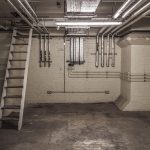
Homeowners who have basements or crawl spaces could be breeding mold down there unknowingly, particularly if the areas are unfinished. Moisture, warmth and darkness are prime conditions for mold growth. A dehumidifier can be utilized in the basement to help reduce the moisture saturation in this space.
Attic
According to the North Carolina Department of Health, in the winter when buildings are heated, mold often grows in cold, uninsulated exterior walls where building surfaces are relatively cold compared to the indoors. Attics without proper insulation could be vulnerable to mold growth. Roofs also may be compromised by weather, causing leaks into the attic.
Mold can be found anywhere in a home, but is more likely to grow in certain spaces.