

Homeowners need to be aware of silent killer
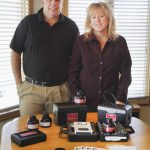
ItÄ¢¹½ÊÓƵ a silent killer the federal EPA estimates takes 21,000 lives each year.
And it could be in your home.
The culprit is radon.
Radon is a cancer-causing radioactive gas. It is colorless and odorless.
The Surgeon General has warned that radon is the second leading cause of lung cancer in the United States. Only smoking causes more lung cancer deaths.
“There is a lot of information on the Web about it,� said Mary Jones of Precision Home Inspections in Connellsville.
“We do testing. My statistics show that about three out of every 10 homes we test have radon. In the home, the radon level is supposed to be below four (picoCuries per liter),� Jones said.
According to the Pennsylvania Department of Environmental Protection (DEP), radon is a naturally occurring radioactive gas produced by the breakdown of uranium in soil, rock and water. Air pressure inside the home is usually lower than pressure in the soil around a homeÄ¢¹½ÊÓƵ foundation. Because of this difference in pressure, a house acts like a vacuum, drawing radon in through foundation cracks and other openings.
The DEP said radon also may be present in well water and can be released into the air in the home when water is used for showering and other household uses. In most cases, radon entering the home through water is a small risk compared with radon entering from the soil. In a small number of homes, the building materials (e.g., granite and certain concrete products) can give off radon, although building materials rarely cause radon problems by themselves. In the United States, radon gas in soil is the principal source of elevated radon levels in homes.
About 40 percent of Pennsylvania homes have radon levels above the U.S. Environmental Protection AgencyÄ¢¹½ÊÓƵ action level of four picoCuries per liter. While radon problems may be more common in some regions, the potential exists for any home to have high radon levels.
Pennsylvania is particularly prone to elevated radon levels, and the only way to know if there is a radon problem is to test the home. DEP recommends testing all homes and public and private buildings. The best time to test is during the cold-weather months, when homes and buildings are closed and radon is most likely to build up to unhealthy levels.
Jones and her husband, Dan, are licensed radon mitigators. While the main focus of their business is home inspection, they also handle radon testing and installing systems to get it out of the home.
“Most people don’t do anything about radon until they go to sell their home or buy a home. But it is the second leading cause of lung cancer. You don’t know if you have radon unless you test for it,� she added.
DEP recommends having a certified radon mitigation contractor fix a home because lowering high radon levels requires specific technical knowledge and special skills. “Without the proper equipment or technical knowledge, you could actually increase your radon level or create other potential hazards and additional costs,� a DEP spokesman said.
However, if you decide to do the work yourself, get information on appropriate training courses and copies of EPAÄ¢¹½ÊÓƵ technical guidance documents from the Pennsylvania radon office.
Pennsylvania law requires radon mitigation contractors to be certified by DEP. These contractors must take training courses and pass an exam. Certified contractors are then required to follow the Pennsylvania Radon Mitigation Standards. For a list of certified mitigation contractors, call 1-800-237-2366 or go online to www.state.pa.us (Keyword: “DEP Radon�).
The DEP said radon reduction systems work. Some radon reduction systems can reduce radon levels in the home by up to 99 percent. In Pennsylvania, the cost of fixing a home generally ranges from $500 to $1700 (with an average cost of $1,000).
Costs may vary depending on the size and design of the home and which radon reduction methods are needed. Hundreds of thousands of people have reduced radon levels in their homes.
The American Lung Association (ALA) has been a partner with the DEP Radon Division for many years in an effort to increase public awareness of radon, testing for radon and mitigation of radon problems.
It has a limited supply of free home testing kits that are available through its Web site at http://www.lunginfo.org/freeradonkit.
For more information on how to test a home for radon, call the
PA Radon office at 1-800-237-2366 and ask for a copy of “Pennsylvania CitizenÄ¢¹½ÊÓƵ Guide to Radonâ€� or, if testing during a home sale, the “Pennsylvania Home BuyerÄ¢¹½ÊÓƵ and SellerÄ¢¹½ÊÓƵ Guide to Radon.â€� On-line versions of these documents are available at www.state.pa.us (Keyword: “DEP Radonâ€�).
Jim Pletcher writes a weekly real-estate story for the Ä¢¹½ÊÓƵ from a variety of angles. If you have an interesting story about buying or selling a home in Fayette County and would like a story written about it,, please contact Ä¢¹½ÊÓƵ Executive Editor Mark O’Keefe at 724-439-7569.