

Proposed EPA regulations could dim use of outdoor wood furnaces
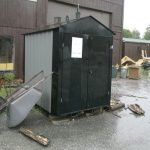
The popularity of outdoor wood furnaces as a cheaper heating source could soon grow dim if proposed emission standards by the Environmental Protection Agency (EPA) take effect.
With more people turning to outdoor wood furnaces to help combat rising prices for heating oil, propane and natural gas, state agencies have become concerned about using them year round.
“Originally the primary use was for heating during the cold months of the year,� said John Poister, DEP community relations coordinator.
Most recently, however, Poster said, people have been using them year round to heat water for cooking and bathing and in some instances to heat swimming pools.
Outdoor wood-fired furnaces are free-standing fuel-burning devices designed to burn clean wood or other approved solid fuels, according to the Pennsylvania Department of Conservation and Natural Resources (DCNR).
They resemble a small utility building with a smoke stack on top and work by burning wood to heat water that is pumped through underground pipes to a homeÄ¢¹½ÊÓƵ plumbing and heating systems.
The cost of an outdoor wood furnace usually runs between $3,000 and $10,000 installed.
“Burning wood year round can be smoky, but we are running into a number of cases where the manufacturer is telling customers that they can burn coal,� said Poister. “That does skirt our regulations (which cover only wood and wood pellets, natural gas and propane).�
The EPA released proposed emission standards in January for new residential wood heaters, the most common of which are wood stoves, pellet stoves, hydronic heathers and forced air furnaces.
Current EPA regulations date back to 1988.
The proposed rules would limit emissions from new wood stoves and other residential wood heaters beginning with those manufactured next year.
Terry Brady, DCNR deputy press secretary, said, the agency has little if any input on the use of outdoor wood furnaces other than state forests supplying wood to some users for fuel.
The U.S. Census Bureau reported the number of households heating with wood grew 34 percent from 2000 to 2010, with 2.4 million homes, or 2.1 percent of U.S. housing units, using wood as their primary heating source.
Nearly 10 million additional homes use wood to supplement their primary heat source, according to the U.S. Energy Information Administration.
While they may seem harmless, the DEP has found the use of outdoor wood furnaces generate air pollution, which affects human health and is the source of many odor and nuisance complaints.
“We are very concerned,� said Poister.
Unlike indoor wood stoves that are regulated by the state Environmental Protection Agency (EPA), there are no federal standards for outdoor wood furnaces and the majority of them are not equipped with pollution controls.
According to EPA, smoke from wood heaters contributes “hundreds of thousands of tons� of fine particles to the air throughout the country each year, accounting for nearly 25 percent of all area source air toxic cancer risks and 15 percent of non-cancer respiratory effects.
In many areas during the winter, the EPA stated that wood heaters are the largest source of particulate air pollution although many heater types are not currently subject to any federal emission standard.
Poister said the DEP has asked that owners refrain from using their outdoor wood furnaces when the weather is warmer from from May to October.
“That is currently voluntary, but we have gotten many owners to cooperate,� Poister said.
When DEP receives a complaint about smoke coming from an outdoor wood furnace, Poister said an inspector is sent out to discuss the problem with the owner.
For the most part, Poister said the number one problem is that the smoke stack is not tall enough.
“The regulation says it must be 10 feet above the ground,� said Poister. “The higher stack helps to dissipate the smoke.�
Usually once a taller stack is added, Poister said the number of smoke complaints are reduced.
Because outdoor wood furnaces are designed with a large firebox and located outdoors, DEP has also found that some owners use them to burn household garbage, tires and other wastes that produces additional toxic and hazardous air pollutants.
The DEP has regulations that apply to anyone who sells, leases, or distributes an outdoor wood-fired boiler for use in Pennsylvania; anyone who installs an outdoor wood furnace or boiler in the state; and anyone who purchases, receives, leases, owns, uses, or operates an outdoor furnace in the state.
The regulations stipulate what kind of outdoor furnaces can be sold in the state, where they can be installed, and what can be burned in them.
As part of the regulations, outdoor furnaces sold in the state after May 31, 2011, must be EPA-qualified Phase 2 units, which burn 90 percent cleaner than older units.
They must also be installed at least 50 feet from the nearest property line and be equipped with a permanently attached smokestack that extends a minimum of 10 feet above the ground.
The rule further states what fuels may be used in outdoor wood furnaces, including clean wood, wood pellets, and home heating oil, natural gas, or propane that is used as a supplemental starter fuel.
Poister said because of the number of complaints and the fact that some companies are selling refurbished furnaces made prior to Phase 2 there could be some changes in DEP regulations in the future.
Although DEPÄ¢¹½ÊÓƵ rule does not impose restrictions on the time outdoor wood furnaces may be used municipalities are able to adopt more stringent rules to address citizen complaints.