

Natural disasters drive up homeowners insurance
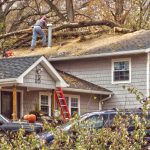
Natural disasters across the country are driving up the cost of homeowners insurance but there is some relief in sight.
“Over the course of the last few years, we’ve seen a 5 to 10 percent increase, although this may be slowing down a bit,” said Rosanne Placey, director of the Pennsylvania Insurance Department.
Placey attributed the recent increase to loss experience and the cost of raw building materials.
According to a December 2013 study by the National Association of Insurance Commissioners (NAIC), the average homeowners insurance premium rose by 7.6 percent in 2011, following a 3.3 percent increase in 2010.
The association listed the countrywide average homeowners insurance premium in 2011 at $978 and PennsylvaniaĢ¹½ÊÓƵ at $744.
“In terms of insurance, companies look at frequency and severity of loss and those are indicators of trends,” said Placey.
However, Placey said areas like Fayette County and Pennsylvania don’t have the kinds of natural disasters compared with states along the coasts or in the Midwest, so a hailstorm, for instance, would not increase the cost of someoneĢ¹½ÊÓƵ homeowners insurance.
Homeowners insurance provides financial protection against disasters. Under a standard policy, the home itself and its contents are covered.
Other coverage includes liability protection and additional living expenses in the event temporary arrangements are needed because of a fire or other insured disaster.
Placey suggests that policyholders meet annually with their insurance agent to ensure they have adequate coverage.
“You’re potentially losing a lot of money or putting yourself at financial risk if you’re not regularly looking at your insurance policy.” “Your house is probably the biggest purchase you’ll make over the course of your life.
To save money, Placey suggested increasing the deductible.
“An increase from $500 to $1,000 could save up to 25 percent on your annual premium,” said Placey.
Other discounts that Placey said could apply include having a mortgage that is paid off, installing a security device and combining homeowners and auto insurance with the same company.
While damage caused by most disasters is covered under homeowners insurance, the Insurance Information Institute listed floods, earthquakes and poor maintenance as the most significant exceptions that require separate policies.
For the most part, Placey said insurance premiums are based on home value and replacement cost, as well as exposure to risk and loss.
Placey also noted that homeowners insurance is designed to cover the cost of rebuilding a home, not the market price.
“Make sure you have enough coverage to completely rebuild your home and replace all your belongings in the event of a disaster,” said Placey.
Placey stressed that damage from flooding is not covered under standard homeowners and renters insurance policies.
“Even though the cost of flood insurance is rising, it might not be the best idea to drop this coverage,” said Placey. “Ninety percent of all natural disasters involve some form of flooding.”
Michael Barry, Insurance Information Institute spokesman, said that between Hurricane Irene, the tornado in Joplin, Mo., and widespread winter storms, tornadoes and flooding in interior states like Minnesota, the past decade has been one of the costliest in terms of natural disasters in U.S. history.
Because insurance companies bear a large portion of that cost, Barry said it only makes sense that they might need to charge higher premiums to pay for all the claims they’ve been receiving.
With June officially kicking off the hurricane season, the Insurance Department is reminding consumers to review their homeowners insurance policies to see what costs are covered in the event of weather-related damage.
According to the Insurance Department, most polices do not cover repairs for routine maintenance or wear and tear, but do cover structural damage of homes caused by fire, hurricanes, hail, lightning strikes or other disasters listed in the homeowners policy.
Most standard polices also cover structures that are detached from the home such as a garage, tool shed or gazebo.
According to the Insurance Department, such structures are covered for about 10 percent of the amount of insurance on the structure of the policyholderĢ¹½ÊÓƵ home.
If a property owner builds and addition or purchases a pool, it will increase the insurance premium, Placey said.
Flooding, earthquakes, mudslides and sinkholes are excluded from a homeowners policy and polices for such risks must be purchased separately.
The Insurance Department suggests to plan now for a future claim by creating an inventory of personal property, including all model names and serial numbers.
The insurance department also recommends keeping sales receipts and photographs or a video of each room.