

Gas logs and wood prove to be reliable heating sources
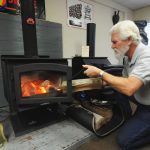
The sound of a crackling fire generated by natural gas logs or a wood stove can create a cozy ambiance in a home during the winter.
When it comes to heating, gas logs have a reputation for being cleaner and more beneficial from a health perspective while wood is generally more cost efficient to burn.
According to Columbia Gas of Pennsylvania, natural gas fireplace equipment uses realistic gas logs and a controllable gas burner to create a fire that mimics real wood.
Once the logs are placed in configuration, they won’t need adjustments and will never burn away.
Compared to wood, Columbia Gas stated that natural gas logs provide convenience, cleanliness and safety.
Gas fireplaces are also ideal for enjoying the warmth of a fire without the labor of having to haul wood and clean ashes.
Bill Ashton, owner of BillÄ¢¹½ÊÓƵ Wood Stoves in Hopwood, said that wood stoves are the most economical heating source if you are able to cut your own wood opposed to having it hauled.
Ashton recommended using wood from dead oak trees obtainable in a state forest, which requires a permit for cutting.
If using green wood however, Ashton said it needs to sit over the summer to dry to avoid creosote from building up, which can cause a chimney fire.
Ashton went on to say that burning wood in a fireplace to heat a home is inefficient because it allows for the air in the room to escape through the chimney.
“You create negative pressure so you’re home starts drawing air in through the cracks around the doors and windows and makes the rest of the house very cold,� Ashton said.
Columbia Gas said gas logs and fireplaces are set up only once so there are no logs to carry in and no ashes to carry out.
Because there is minimal combustion, there is less pollution and minimal creosote build-up in the chimney.
Safety is another important factor as natural gas logs emit no surprising sparks or hot ashes.
For the most part, gas fireplaces are similar to wood-burning fireplaces with each vented outside.
Both come in a variety of styles and configurations to suit all types of homes.
Some natural gas log sets come with a remote similar to the ones used for a T.V., which turn the flame on and off.
There are also some that come with variable settings, which allows for control of the flame height, and a thermostat.
Ashton said free standing stoves and gas fireplaces with gas burners installed in them are good heating sources.
Many fireplaces or wood stoves do not require electricity to function and can emit heat for several hours.
But, if indoor wood fire burning open hearth or wood stoves aren’t built or set up properly, the state Environmental Protection Agency (EPA) reported they can negatively affect air quality and lead to health risks.
According to the U.S. Department of Health and Human Services, both vented and unvented heating appliances must be properly maintained to reduce the risk associated health hazards.
The U.S. Department of Energy indicates that wood-burning appliances and fireplaces can emit large quantities of air pollutants, including nitrogen oxides, carbon monoxide, organic gases, and particulate matter.
Many of these compounds can cause serious health problems, especially for children, pregnant women, and people with respiratory ailments.
Some have even demonstrated cancer-causing properties similar to those of cigarette smoke, the energy department went on to say.
In many urban and rural areas, smoke from wood burning is a major contributor to air pollution.
Last year, the EPA proposed new regulations to help minimize the emission of such particles.
Under the updated emissions standards, expected to be finalized next month, new wood stoves would be required to burn 85 percent cleaner.
When using green wood, the EPA advises fire-burners to season it outdoors for at least six months before use and that fires always be sourced with “dry, well-seasoned wood that has been split properly.�
Environmental officials note that hot, dry fires minimize the smoke and ash that filter into the air.
An EPA-certified wood stove or fireplace insert is more efficient than older models.
It also helps lower heating costs and is warmer.
Most importantly, the EPA said, once a wood-burning appliance is properly installed, building an effective fire requires good firewood by using the right wood in the right amount and good fire building practices.