

Deer-resistant fall planting can ease gardening frustrations
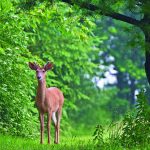
The bounty of natureÄ¢¹½ÊÓƵ fall harvest has begun to attract deer looking to feast on many species of plants and young trees.
According to Valerie Sesler, master gardener coordinator at Penn State Extension in Fayette County, there are very few plants that deer don’t prefer.
The Consumer Horticulture Center at Penn State UniversityÄ¢¹½ÊÓƵ College of Agricultural Sciences noted that people become frustrated by deer and the damage they cause by browsing and rubbing their antlers on prized landscape ornamentals throughout the year.
It also strips the trees of their bark.
The Horticulture Center points out plants classified as “deer resistant� often have common characteristics such as hairy, rough, or spiny stem and leaf texture, or the presence of aromatic compounds in the stems or leaves.
Whereas lavender and boxwood are considered aromatic plants, lambÄ¢¹½ÊÓƵ ear and oakleaf hydrangea possess leaf textures considered to be distasteful to deer.
“They find their path and pretty much stick to their area,� said Cheryl Brendel, volunteer master gardener at Penn State Extension in Greene County.
Brendel said the extension department at Cornell University lists hundreds of annuals, perennials and ornamentals rated by their deer resistance, from rarely damaged to frequently damaged.
For the most part, Brendel said ornamental grasses, daffodils, and species of the onion family typically deter deer.
While there are few simple solutions to prevent deer damage without eliminating them completely, Sesler said deer are both adaptive and selective feeders.
In some cases, people use fences and repellents to prevent or reduce damage, however, they don’t always work or have to be reapplied.
Research from the Pennsylvania Game Commission shows mast crops such as acorns are a valuable, yet sporadic food source for deer and were especially abundant in many parts of the state this past season.
Although deer eat a great variety of vegetative material, Penn State reports that a plant not commonly browsed during the summer like twigs, dead grass or bark may become a food source for deer during long, cold winters.
Trees identified by the horticulture center as deer resistant include certain species of buckeye, birch, cypress, cedar, juniper, ironwood, spruce, fir and pine.
Some popular shrubs include boxwood, elderberry, and pawpaw.
Houzz.com identifies the Chinese fringetree as particularly deer-resistant, though the Eastern U.S. native white fringetree is also a worthwhile choice where deer are an issue.
With their delicate pink blush and teacup size, the flowers of saucer magnolia are a real head-turner when they emerge on the treeÄ¢¹½ÊÓƵ bare, gray branches in late winter.
Despite their delicate appearance, these flowers are fairly resistant to deer damage.