

Breakfast Boost: High energy breakfasts start the school day off right

Preparing for back-to-school does not mean just stocking up on school supplies. It also means planning ahead for high-energy breakfasts and low-sugar lunches.
Metro Creative Graphics

Zack
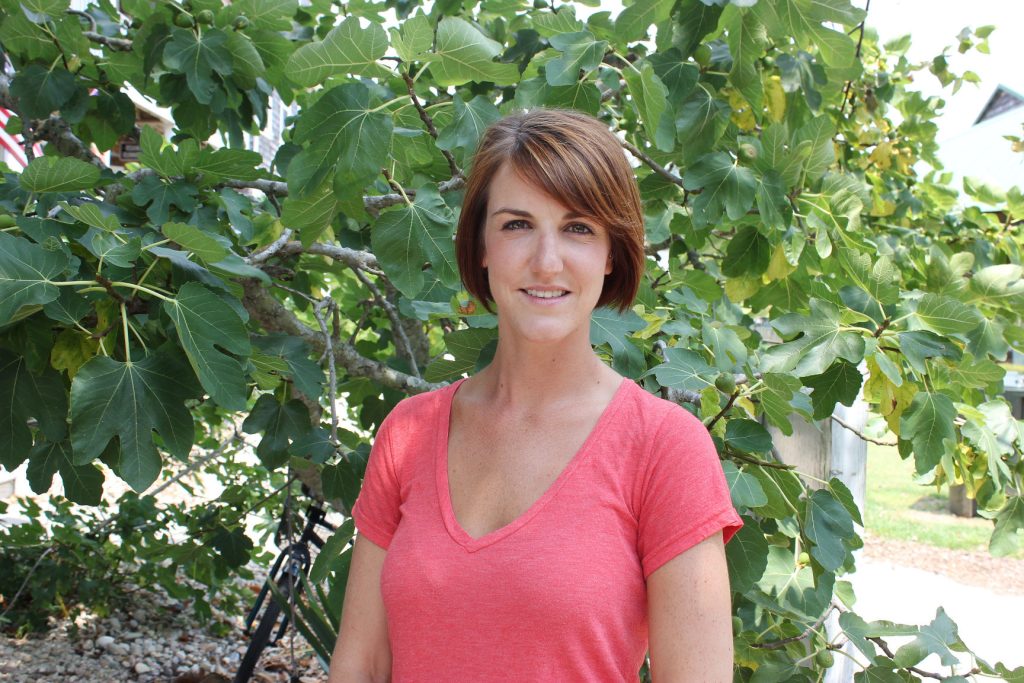
Marshall

Pfarr
Soon students will be heading back to school after a long summer break.
The relaxing days of sleeping in will be replaced with early rising times and days spent at school learning.
The key to giving students the best start to their day is by providing them with a healthy and high-energy breakfast before each school day.
“Breakfast is so important because it has a lot of benefits for kids. Children who do have breakfast in the morning have better cognition, better hand-eye coordination,� said Michele Pfarr, RD, LDN, clinical nutrition manager at Monongahela Valley Hospital. “Without that they will have more drowsiness and more restlessness.�
This breakfast is also important because it will be what the children will use to power them throughout the day.
“Parents should try to keep in mind that the breakfast they choose to feed their children is going to be responsible for fueling approximately half of their school day. Broadened out to a long term perspective, this rounds out to be about half of a childÄ¢¹½ÊÓƵ school year,â€� said Brittney Zack, RDN, LDN, clinical dietitian at Uniontown Hospital. “Like adults, kids will feel more energized and satisfied if they start their day with a nutritious breakfast. Additionally, they are more likely to be focused on the tasks in front of them rather than their rumbling tummies, and they are less likely to overeat at lunch.â€�
While having anything for breakfast is better than nothing, there are some key components in order for a breakfast to be considered high energy.
“Planning breakfast around slower burning foods is best,� said Jessica Marshall, RDN, LDN, CLT, BCHHP, registered and licensed dietitian/nutritionist, board certified holistic health practitioner and certified LEAP therapist. “A good protein source such as eggs, plain yogurt, nuts and seeds will help achieve this. When choosing a carbohydrate source choose a complex carb such as a whole grain like oats or whole wheat. Add fruit, but in its whole form to benefit from the fiber content and avoid giving fruit by itself. Many fruits alone won’t sustain them long enough because of how quickly some of them break down in the body.�
Even if people are short on time in the morning, there are ways to still have a healthy, high-energy breakfast.
“Whole grain toast with peanut butter, a wrap with peanut butter and a banana. You can have hard boiled eggs boiled ahead of time and yogurt is a good suggestion,� Pfarr offered. “Whole grain cereal with milk. It doesn’t take a lot of time to open up the cupboards and pour a bowl of cereal and pour milk on top.�
Doing a little pre-planning can make a huge difference when it comes to making a healthy breakfast run smoother if you are short on time.
“A little bit of prepping ahead can go a long way. It can mean cutting fresh fruit and pre-portioning whole grain, low-sugar breakfast cereal into Tupperware containers in the evening so that healthy choices are more readily accessible the following morning … or prepping easy recipes like overnight oats and keeping them in the refrigerator for quick stovetop or microwave AM heating,� said Zack. “If a sit-down breakfast is not an option, there are many types of healthy granola, fruit and/or nut bars available. However, if this method is going to be your go to, be mindful of reading labels and sticking to foods with an ingredient list of items you can actually pronounce. The more complicated an ingredient list, the less natural it tends to be.�
“Making whole grain pancakes at once can be refrigerated or even frozen for the remainder of the week. Oatmeal can be cooked in a big batch in a crockpot or put into individual mason jars to soak overnight for a cook-free option. Eggs can be cooked in muffin tins to provide individual mini-egg “patties� or quiche-like options,� suggested Marshall.
Some students might be tempted to turn to caffeine to provide that extra energy boost in the morning, but this should be approached with caution.
“Caffeine is a discussion point that will spur a wide range of variation in opinion. For me, personally, I am a huge advocate of caffeine and rely on it daily. However, it does seem to have different effects on different people, depending on their stature, sensitivity and usual intake,� said Zack. “I would caution students drinking it to be mindful not only of the amounts they are consuming, but also any ‘side effects’ they may experience (i.e. rapid heartbeat, headache, etc.) from an excess. Additionally, relying too heavily on caffeine can lead to a ‘crash,’ where energy and mood fade due to a drop in the amount of chemicals and associated neurotransmitters that are increased in the body from initial caffeine intake. Understanding your personal sensitivity and response to caffeine is crucial to safe consumption. Studies show that a moderate daily intake of about 100-250mg is essentially harmless.�
“I don’t really see a place for caffeine in a childÄ¢¹½ÊÓƵ diet until they are at least a young adult. I think kids are still trying to process and explain how they feel to adults and having an outside stimulant in their diet may create unwanted symptoms such as shakiness, heart palpitations and inability fall asleep at night,â€� said Marshall. “This even could lead to anxiety or acting out and forgetting that the caffeine could have attributed to this. They might also not be able to understand their limitations with it like adults do.â€�
No matter what direction a parent decides to make, quick breakfasts in the morning or prepping days in advance, all decisions can lead to children performing better in school.
“The Nutrition Assistance Program Report on the USDA Evaluation of the School Breakfast Program Pilot Project found that students who eat school breakfast have better attendance and fewer nurseÄ¢¹½ÊÓƵ office visits,â€� said Marshall. “Children also seem to have better mental health, fewer behavioral problems, and less anxiety and depression according to the 1998 of ‘Pediatrics.'â€�