

A Higher Level of Healing: Study finds connection between faith and health
John F. Brothers | Ģ¹½ÊÓƵ
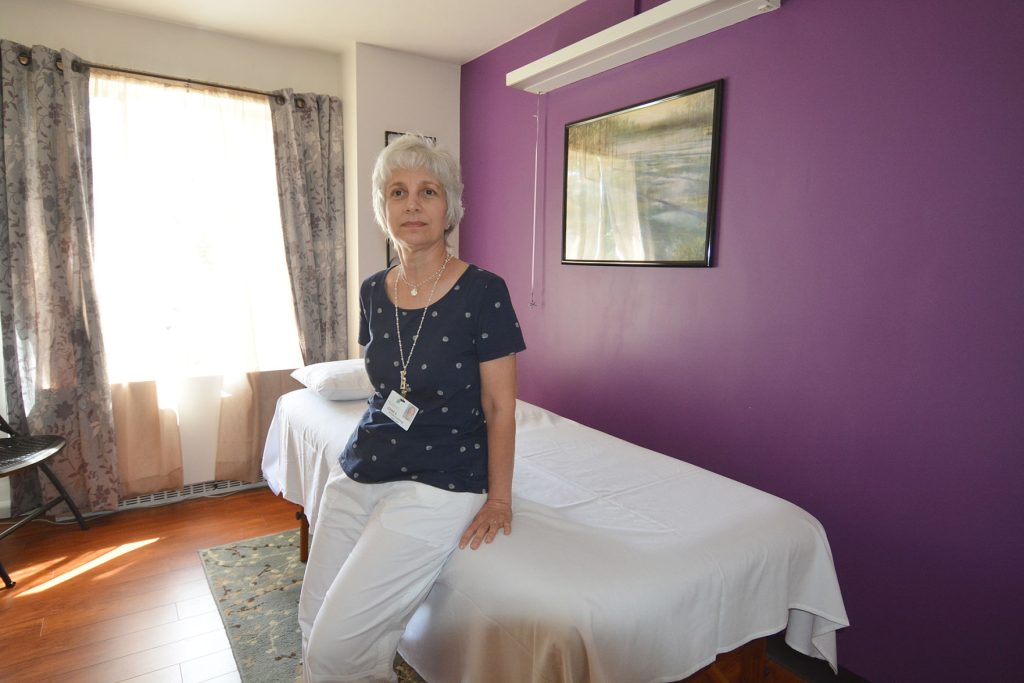
Jean M Brinker, RN, BSN, in the Healing Room at Highlands Hospital in Connellsville, coordinates therapy programs to relieve stress and improve relaxation for patients suffering with post-traumatic stress disorder.

Metro Creatived Graphics
A recent study found that those who continue growing in faith will go on to greater longevity.
Mike Beachy
The connection between health and faith can be found in many different religions.
“I will never forget your commandment, for you have used them to restore my joy and health.” — Psalms 119:93
A daily tefillah (prayer) in Judaism is, “Blessed are you, Lord our God, King of the universe who straightens the bent.”
The Buddha also talked about faith and health when he said, “To keep the body in good health is a duty … otherwise we shall not be able to keep our mind strong and clear.”
A study that was published recently by the American Medical Association found that those who attend church service have greater longevity.
The 20-year study looked at a group of over 76,000 female nurses, most of them were Catholic and Protestant. At the end of the 20 years more than 13,000 had died. Those who went to services more than once a week were 33 percent less likely to be in that group who died, compared to those who never attended services.
Tyler Vander Weele, a researcher at HarvardĢ¹½ÊÓƵ school of public health, a co-author of the study, along with the other authors concluded,” religion and spirituality may be an underappreciated resource that physicians could explore with their patients, as appropriate,” they wrote. “Our results do not imply that health care professionals should prescribe attendance at religious services, but for those who already hold religious beliefs, attendance at services could be encouraged as a form of meaningful social participation.”
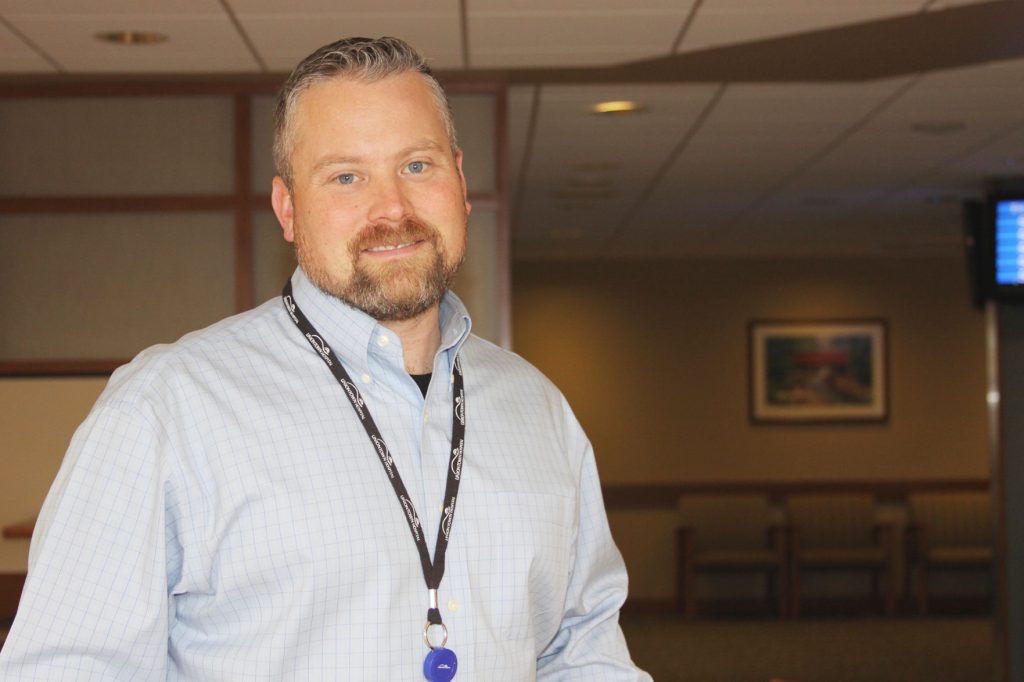
Mike Beachy, pastoral care coordinator at Uniontown Hospital, recalled Jesus’ parable of soil that said, “As he was scattering the seed, some fell along the path, and the birds came and ate it up. Some fell on rocky places, where it did not have much soil. It sprang up quickly, because the soil was shallow. But when the sun came up, the plants were scorched, and they withered because they had no root. Other seed fell among thorns, which grew up and choked the plants. Still other seed fell on good soil, where it produced a crop — a hundred, 60 or 30 times what was sown.” (Matthew 13: 4-8)
“There are times in life when we come to a place of health and we lean back on faith,” said Beachy. “I think it comes down to that person and what is in their heart. We are always able to lean back on that [faith]. Our motto at the hospital is making a healthy difference in the lives we touch. I have had the opportunity to rejoice with a family with the birth of their child and to grieve with the widow in the emergency department.”
Jean M. Brinker, RN, BSN, Integrative Medicine practitioner, calls to reference Bruce Lipton, a scientist who connects quantum physics and energy medicine, when it comes to the connection between health and spirituality. Lipton believes that a personĢ¹½ÊÓƵ thoughts can affect their physical health.
“His thing is belief affects your genes [by] switching your genes on and off,” said Brinker. “What you see and what you believe controls your behavior, which affects your physiology.”
Brinker says that when she works with her clients that come to her for healing, she is just a person who guides them. It is all up to the client to facilitate the healing.
“Prayer is talking to God and meditation is listening to God,” she said. “You (the patient) set the intention, which is the prayer that is beginning of the healing, and you ask from the greater good. I don’t know what that is. Only that person knows what that is for them. When you (the patient) set the conditions and I (the guide) set the atmosphere for it and I help that person achieve their greater good, the body itself and the spiritual connection is what does the healing.”
Brinker also said that people should approach a negative diagnosis in a different manner.
“You may not get the physical healing because that is not your greater good. In those instances where you have a disease, it is the opportunity to change either emotionally or mentally. If you didn’t have it you would not have looked deeper into it,” she said. “If you look into it, that it is not punishment or God is trying to teach you a lesson, it is (actually) trying to change you.”
When a person does receive a diagnosis or is having trouble with their health, there are resources to help them connect with their faith and spirituality, including the possibility of their physician.
“I think it would depend on that doctor and their respect for a patient,” said Beachy, about if a doctor should talk to their patient about their faith in connection with their health. “I wish more doctors would entertain that thought to at least help patients come to terms with what they are promised based on their religious background.”
“If a physician only looks at the physical it is only two-thirds of the picture if you don’t involve the emotional part, because the emotions are part of that powerful driving force,” said Brinker. “It is the spiritual part that effects the emotion that makes the physical. (If you only look at the physical,) you are looking at the footprint not the thing that makes the footprint.”
If a patient reaches the point that they are looking for guidance from a professional there are places where they can go to seek help.
“That is going to be care-specific. You can’t figure out where you are going if you don’t know where you are at. See where they are with the diagnosis and let them know they are under the control of a god that has plans for them. Find them a parish that meets their needs,” said Beachy. “We need to lean back on our faith. A pastor doesn’t have all the answers, but they can lead you to the answers.”
“Doing research is really good, or asking people who have had work done. You need to find a trusted practitioner. You can do that by word of mouth. People have had good experiences,” said Brinker. “If they (the healing practitioner) say they are healing you, that is a red flag. If they don’t listen to you, that is a red flag. If they empower you as the client and the patient and they do everything they can so that you can find that power yourself and they direct it back to you so you can do it yourself, I think that is one of the things to look at when healing with someone. They put you in charge of your own healing.”