

Creating a study area in your home

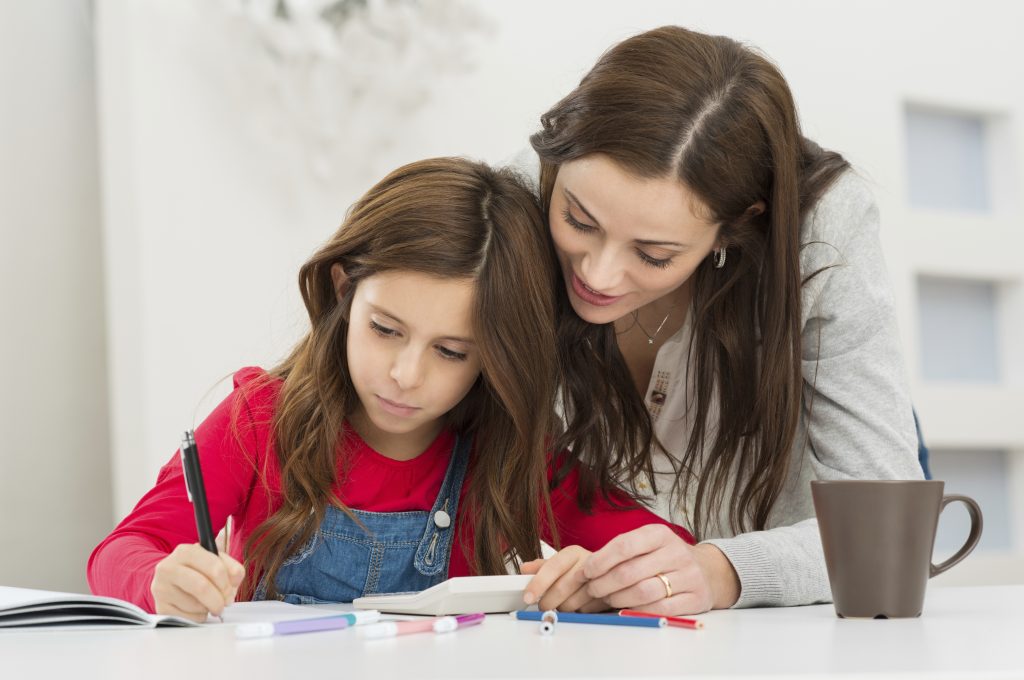
The purchase of new book bags, lunch boxes and shoes means itÄ¢¹½ÊÓƵ time for another school year to begin.
While you’re doing all you can to make sure your child is successful at school, don’t forget students also need an environment in which to study at home.
With that in mind, you might want to create a home study space.
The place you choose can be anywhere in your home, but allow your children to have some input.
“Make a space they’re comfortable with and where they’ll look forward to doing their homework,� said Maegan Kovach, school psychologist for the Uniontown Area School District and a former math teacher. “Make it their space.�
Kevin Willis, chemistry teacher and advisor of the state champion Envirothon Team at Carmichaels Area High School, said it should be “whatever space is available that they can make their own. ‘ItÄ¢¹½ÊÓƵ my spot where I can study and nobody is going to distract me.â€�’
Both Kovach and Willis said you want to create a space thatÄ¢¹½ÊÓƵ free from distractions.
“Sometimes a bedroom might be a better place, depending on the makeup of the family — if you have a lot of siblings,â€� said Kovach. “They might want a room off the side where thereÄ¢¹½ÊÓƵ more privacy and quiet.â€�
“ItÄ¢¹½ÊÓƵ really hard to focus when other things are going on,â€� said Willis, noting, “If itÄ¢¹½ÊÓƵ hard to concentrate, it takes longer and no one wants homework to take longer.â€�
But that doesn’t mean it has to be quiet all the time.
“Some students work better listening to music,â€� said Kovach. “Sometimes, itÄ¢¹½ÊÓƵ not appropriate. It depends on what they’re studying.â€�
“Kids today can multi-task. Someone told me they can read a book while listening to music and watching the ESPN tickertape. Sometimes if itÄ¢¹½ÊÓƵ too quiet, itÄ¢¹½ÊÓƵ distracting,â€� said Willis, who noted he used to run a fan, often called “white noise,â€� while he was studying.
Your home study environment could be the kitchen table or a desk anywhere in the home.
But Kovach noted, “You want to make sure the child is visible to the parent so the child is staying on task.�
The childÄ¢¹½ÊÓƵ bedroom may or may not be the best place to study.
“You don’t want them to get too comfortable but they might enjoy being in their room because itÄ¢¹½ÊÓƵ their own space,â€� said Kovach. “It depends on the child and their motivation.â€�
Willis said, “That may be the space where they want to take a break. If available, make a space to study that you can get out of — a guest room, space in the basement or the kitchen table. When you want to take a break, you may want to go to your room.�
Willis believes breaks are important.
“When you come home from school, you don’t want to do homework. Take a minute to relax,� he commented. “But don’t let them take too long because they would not have enough time for homework because you have to get to bed.�
Willis said breaks are important because, “When you start fresh, you’re more efficient and able to get things done.�
Willis also recommends having your children do their most important homework first and then take another break before tackling more assignments.
Study groups can mean a change in environment.
“ThatÄ¢¹½ÊÓƵ when you can take over the living room,â€� Willis noted. “You have couches and bring in fold-up chairs. It doesn’t have to be around a table.â€�
“Kids will do better because they’re feeding off each other,� said Willis, adding, “Working as a team is always better than being alone in a room and trying to get through it. �
But Kovach observed, “When you have study groups, itÄ¢¹½ÊÓƵ important for the parents to check in.â€�
Providing snacks for your students is also good. Kovach said you might want to serve snacks before or after you study. Willis said parents have shown him photos of their children enjoying pizza during study groups as they prepare for chemistry exams.
The educators said you want to provide good lighting with Willis noting, “Studies say natural light is best for keeping you alert. You want to stay awake.�
Study spaces should be kept clean and organized. Be sure to include an electrical outlet if your child needs it to plug in a computer.
And while buying supplies for your children to take to school, make sure you stock up on what they might need at home.
Both educators suggested traditional supplies, They can include pencils, pens, erasers, scratch paper, note cards, a ruler, crayons, markers, graph paper, construction paper, glue sticks and scissors.
As a student, Willis was fond of pens with four colors of ink that he could use to color code his notes to make it easier to review them for tests.
Don’t forget your printer by keeping plenty of paper and ink on hand.
Wills said “If you are buying a calculator, try to mimic what the class is using.�
Kovach recommends counting chips or blocks to help a child see the assignment or task better.
Both said you may have to buy other materials for special projects.
“I think itÄ¢¹½ÊÓƵ important to be organized,â€� Kovach said, “so I would recommend a way to organize materials — a folder or binder so itÄ¢¹½ÊÓƵ easy to take home and transport to school.â€�
Kovach also recommends, “There should always be a designated homework or study time. As much as they can keep it a routine — itÄ¢¹½ÊÓƵ 4:30 so itÄ¢¹½ÊÓƵ homework time. Make it a part of the day. If they don’t have homework, they can read or review assignments so they know that time of day is dedicated to assignments. It becomes a routine for them. In regards to homework time or study time, routine is essential.â€�
Above this, Willis encourages students who experience difficulty when doing an assignment to be willing to try.
And he noted, “ThereÄ¢¹½ÊÓƵ no substitute for a good nightÄ¢¹½ÊÓƵ rest and breakfast.â€�