

Conserving household water: protect the planet and save money
MetroCreative
MetroCreative
MetroCreative
MetroCreative
MetroCreative
From wake up until bedtime, water is in constant use in households.
“In the U.S., we are lucky to have easy access to some of the safest treated water in the world–just by turning on the tap,� notes the Environmental Protection Agency on its website. “We wake up in the morning, take a shower, brush our teeth, grab a cup of coffee, and head out for the day. Water is an important part of our daily lives and we use it for a wide variety of purposes, but do we really understand how much we use?�
The EPA reports the average American family uses more than 300 gallons of water per day at home with 70 percent of that involving indoor use.
More people are realizing the need to be responsible when using water.
“Using water-saving techniques can save you money and diverts less water from our rivers, bays and estuaries, which helps keep the environment healthy,� reports ENERGYSTAR, the government-backed symbol for energy efficiency. “It can also reduce water and wastewater treatment costs and the amount of energy used to treat, pump, and heat water. This lowers energy demand, which helps prevent air pollution.�
ENERGYSTAR noted there are many opportunities to use household water more efficiently without reducing services: “Homes with high-efficiency plumbing fixtures and appliances save about 30 percent of indoor water use and yield substantial savings on water, sewer, and energy.�
The EPA offers several suggestions to conserve water:
Plumbing: Repair leaky faucets, indoors and out. Consider replacing old equipment, such as toilets, dishwashers and laundry machines, for newer, more efficient models.
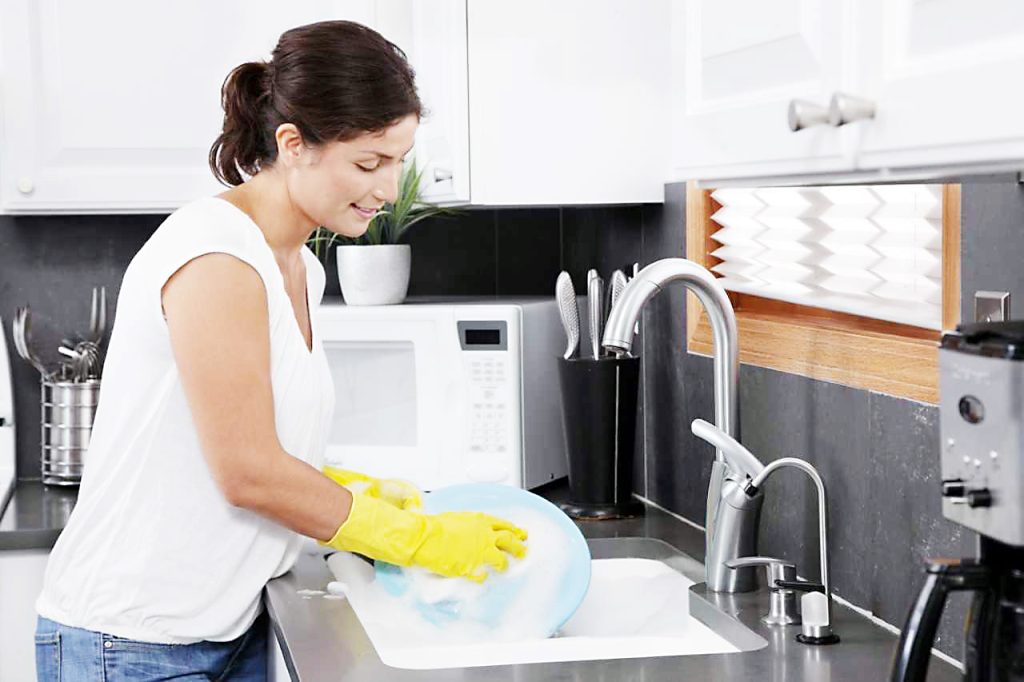
In the kitchen: When cooking, peel and clean vegetables in a large bowl of water instead of under running water. Fill the sink or basin when washing and rinsing dishes. Only run the dishwasher when itÄ¢¹½ÊÓƵ full. When buying a dishwasher, select one with a “light-washâ€� option. Only use the garbage disposal when necessary (composting is a great alternative).
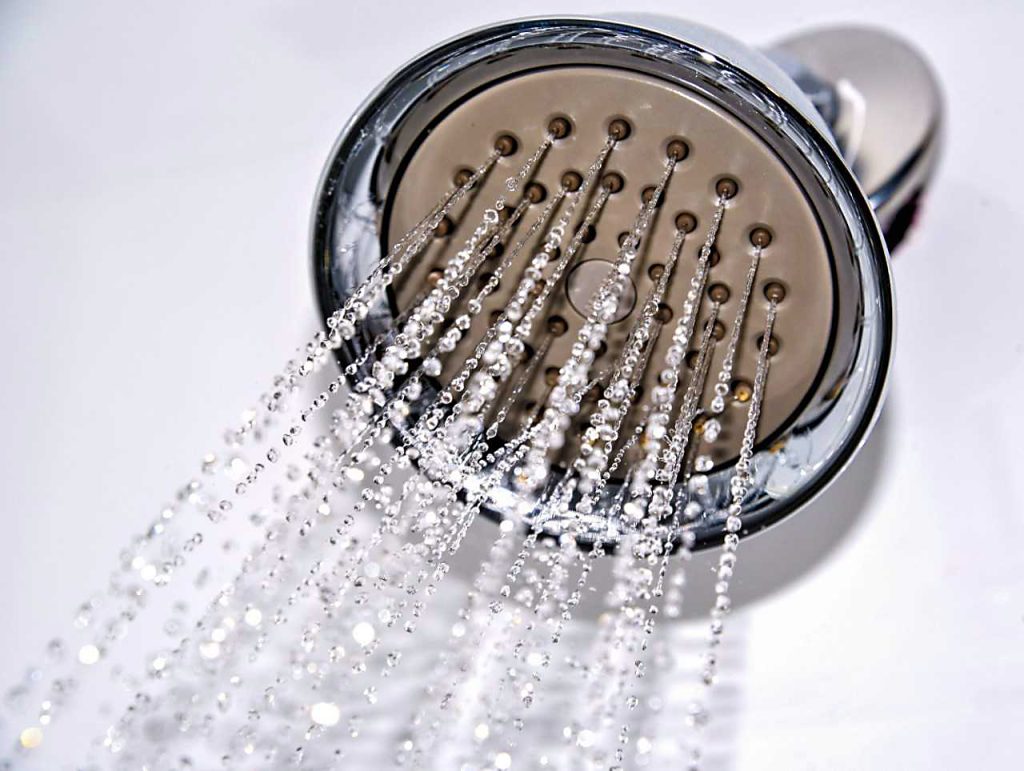
In the bathroom: Take short showers instead of baths and install low-flow shower heads. Turn off the water to brush teeth. Fill the sink to shave.
Laundry: Run full loads if possible. When purchasing a new washing machine, buy a water- saving model that can be adjusted to the load size.
Outdoors: Shrubs and ground covers provide greenery for much of the year and usually demand less water. In flower beds, use native plants that have adapted to rainfall conditions and often provide good wildlife habitat. Cluster plants that require extra care together to minimize time and save water.
When mowing the lawn, set the mower blades to 2-3 inches high. Longer grass shades the soil-improving moisture retention, has more leaf surface to take in sunlight, allowing it to grow thicker and develop a deeper root system. This helps grass survive drought, tolerate insect damage and fend off disease.
Water the garden in the morning or late evening to maximize the amount of water that reaches the plant roots, otherwise most of the water will evaporate.
Apply mulch around shrubs and flower beds to reduce evaporation, promote plant growth and control weeds. Add compost or an organic matter to soil, as necessary, to improve soil conditions and water retention.
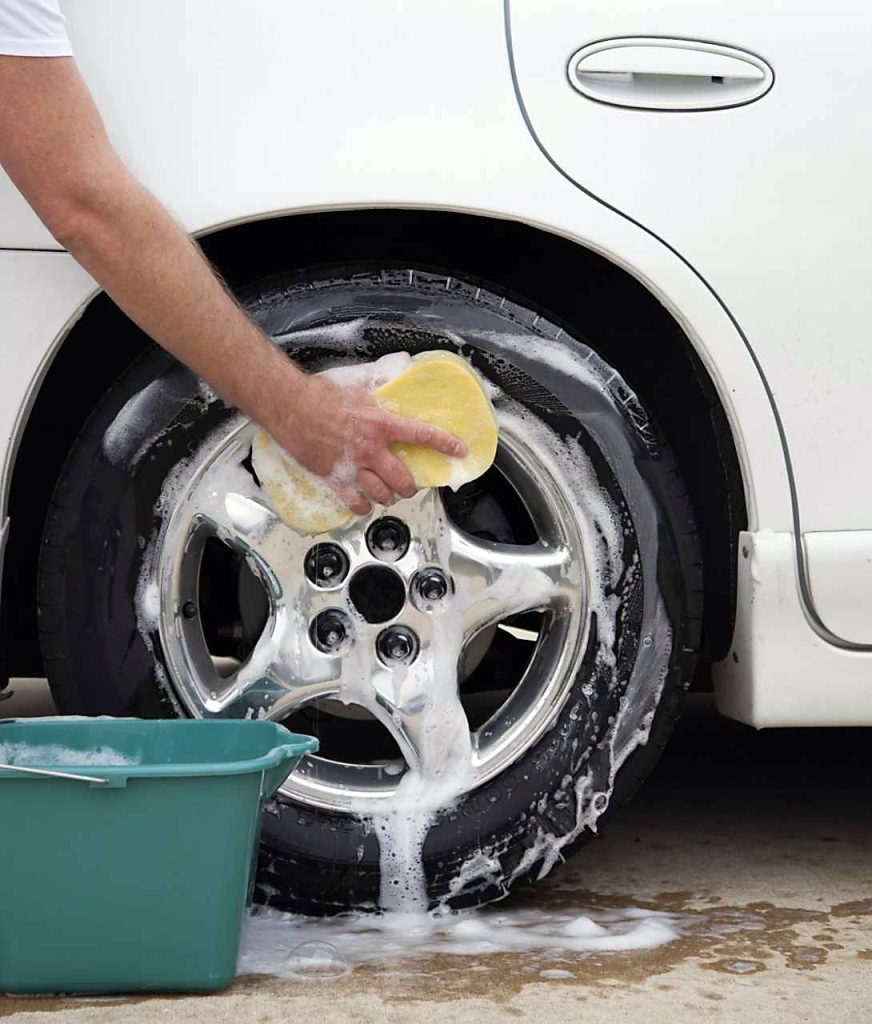
When washing a car, wet it quickly, then use a bucket of water to wash the vehicle. Turn on the hose for a final rinse.
Always use a broom to clean walkways, driveways, decks and porches, rather than hosing off these areas.
Incorporating water-saving ideas into a household can be good for the budget and help protect the planet.