

Creative acts: How to display art in your home
MetroCreative
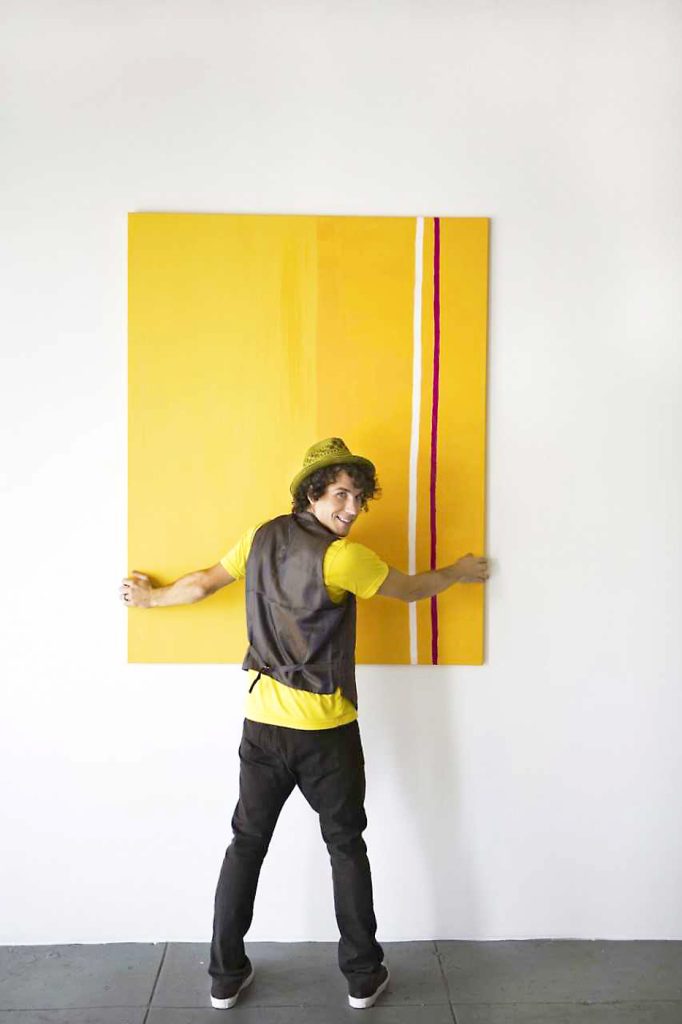
Art can enhance a home, making it personal.
“I think some people look at their walls and get a nice memory from something they bought or someone has given them,â€� said Stephanie McClain of Hopwood, a ceramic artist and president of the Uniontown Art Club. “I think people display things they are proud of or that represents who they are. ItÄ¢¹½ÊÓƵ an outward expression of what they feel on the inside.â€�
Anyone looking for art to display at home can find it in many places: galleries and stores as well as art festivals and shows. It can range from drawings to paintings to ceramics and sculptures.
Art can be a treasured family piece handed down from generation to generation. Or it can be family photographs ready to be framed and hung to celebrate joyful occasions.
But where to begin?
An open space is an inviting place to hang pieces, but itÄ¢¹½ÊÓƵ a good idea to think before taking out a hammer and nails.
McClain talked about members displaying pieces at the Uniontown Art ClubÄ¢¹½ÊÓƵ home at Gallery 86, and advised one of two different methods for the home.
“The first is a very organized method of lining pictures up in a horizontal line of one beside each other. ItÄ¢¹½ÊÓƵ very organized, and it follows that line,â€� said McClain. “The other method might be a larger sized piece that works down to a smaller sized piece. The larger piece would be the center and the smaller pieces almost rotate around it. ItÄ¢¹½ÊÓƵ not a full circle but halfway around.â€�
McClain noted, “Some people like it modern and clean with straight lines and some people like to play with angles for a more offset look. I think it depends on the personality type.�
Some people like to use different themes with art, McClain observed. They may select a color, such as green, and use art that represents plants. They might use pieces from places they visited.
McClain is also in favor of using family photographs when decorating.
“Your personal photos and experiences should be a big part of what you have in your home,� she said.
And it can be a mixture of art rather than all paintings or photographs.
“The farmhouse theme is big when it comes to peopleÄ¢¹½ÊÓƵ homes,â€� said McClain. “ItÄ¢¹½ÊÓƵ not just flat pieces but more texture. You can have a big piece of barn wood with a painting on it.â€�
She remarked some people prefer a more modern, sleek design in which pieces are simple and colors are muted. There are elements of metals as an accent but they are sleek.
McClain also suggests using the theme around the house.
“Try two or three of the same framing for family photos and spread them throughout the house,â€� she said. “You can do the same thing with flowers or greenery. If itÄ¢¹½ÊÓƵ spread throughout the house, everything ties in.â€�
Once deciding on a theme and the art to be displayed, there are points to consider.
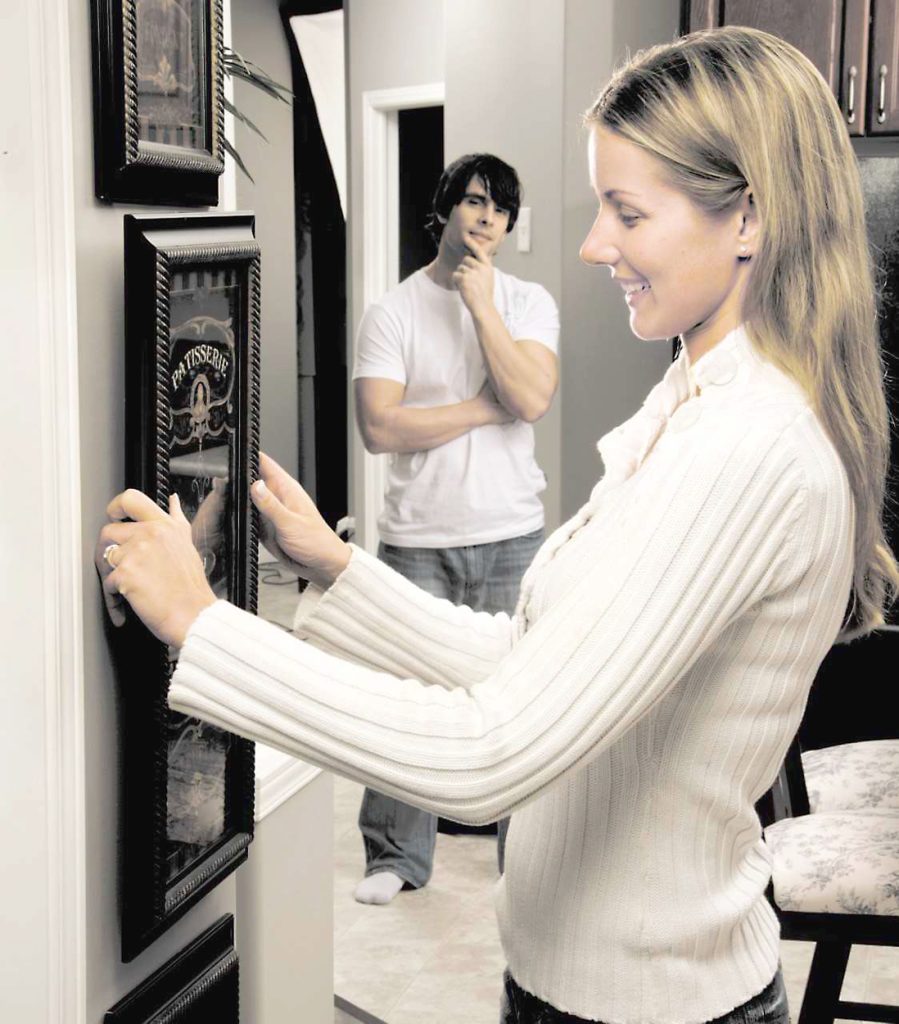
“A lot of people talk about hanging things at eye level. What is eye level is not the same for everyone,� said McClain. “One of our members worked for Nemacolin Woodlands with its art collection for 10 years. Their suggestion for eye level is to start a little over 5 feet. Eye level can be whoever is making that decision.�
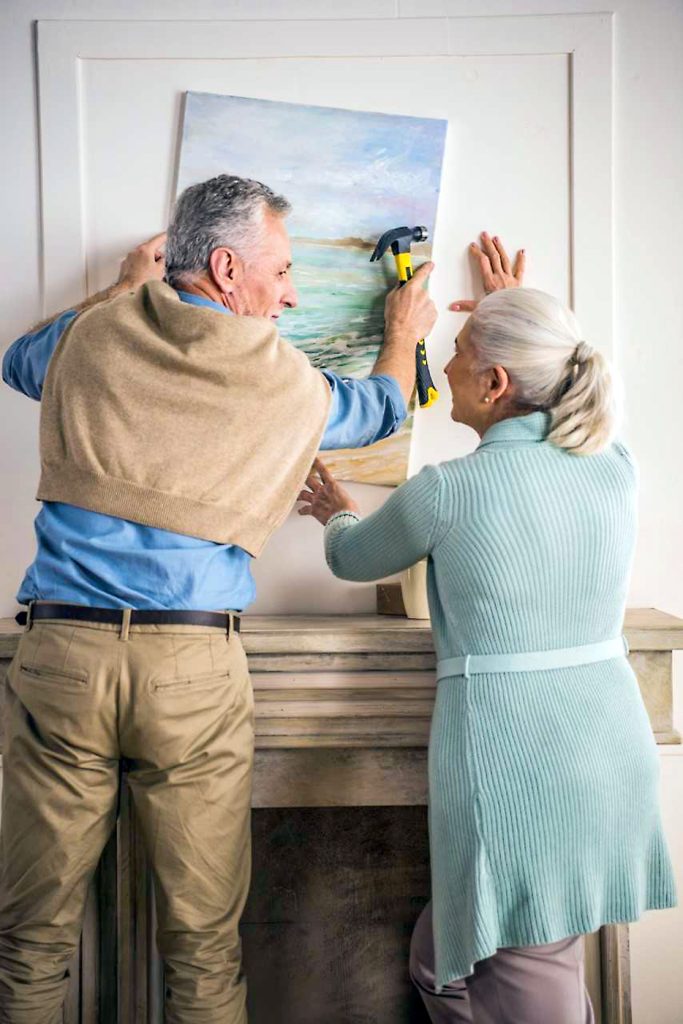
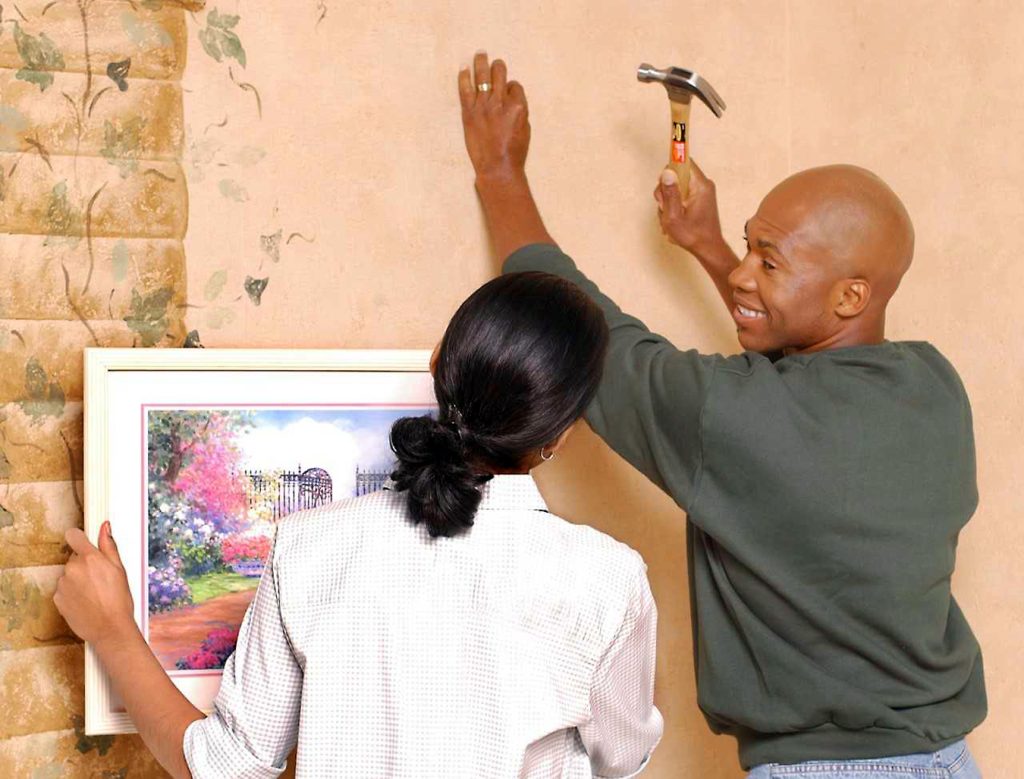
After deciding on the spot, find a stud on the wall for stability and consider the weight of the piece that will be hung.
“We have an artist who paints on slate. ItÄ¢¹½ÊÓƵ heavier than canvas,â€� noted McClain, adding that most times, a piece will come with a hanging mechanism or a piece of rope.
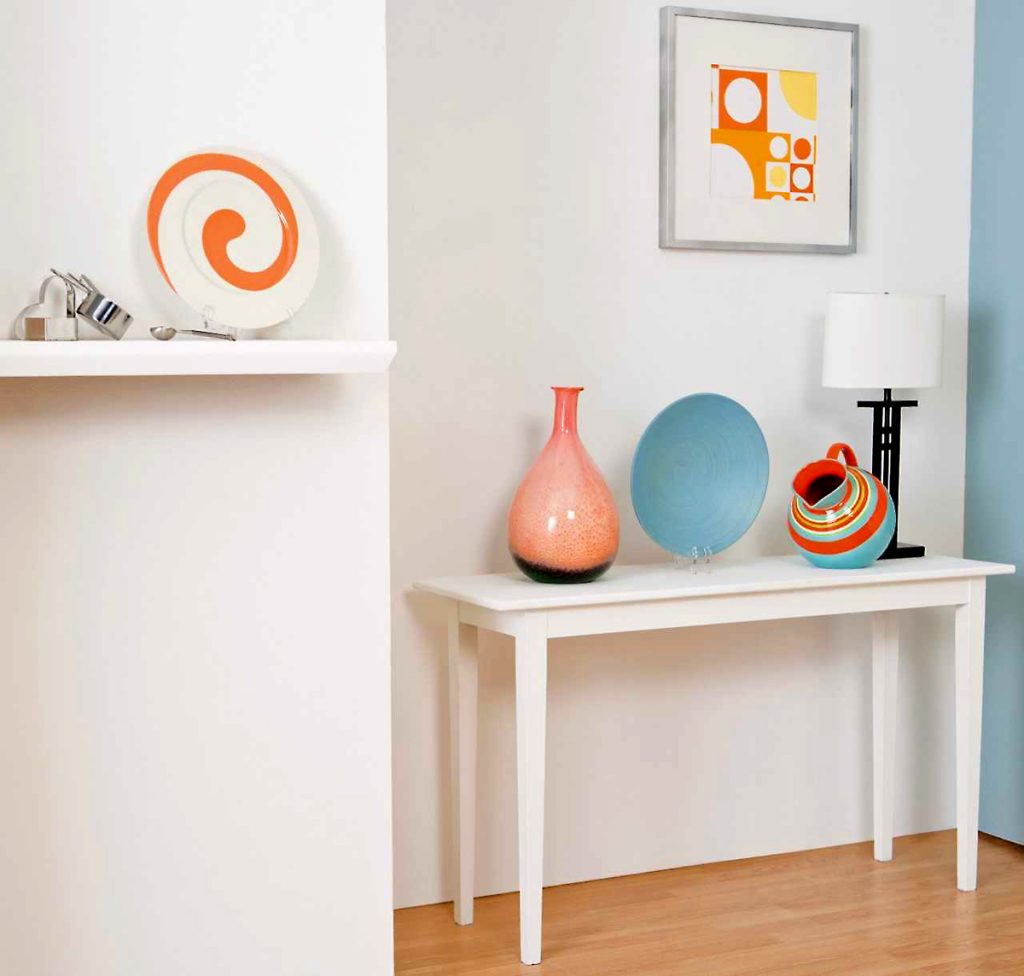
Art, such as ceramics and sculptures, can be displayed on shelves, a mantle or tables.
“I like to create levels. I have old books that I put into stacks to give my pieces some dimension and cause your eye to travel,� said McClain. “You don’t necessarily want everything at the same level.�
McClain gave an example of placing a big vase in the middle and a smaller vase on the end thatÄ¢¹½ÊÓƵ placed on books.
“I always throw in very simple flowers when I decorate. I use different types of greenery,� she said.
There are other points to think about when displaying art, including heat and lighting.
“Some artists won’t display in our front window because of light,� said McClain. “If you’re buying something handmade, talk to the artist about displaying it. The artist will know best how it should be kept.�
McClain said one of the art club members is a watercolor artist who creates beautiful cards with soft color on white paper. Placing them in the sun could cause these pieces to fade.
On the other hand, pieces arranged in a dark corner or room may not be able to be seen.
“I would encourage them to accent it with lighting,â€� said McClain. “If you took the time to create a nice display and itÄ¢¹½ÊÓƵ dark, you won’t be able to appreciate it.â€�
Also beware of rooms with moisture, such as powder rooms, bathrooms and kitchens.
“Anything paper or canvas-based could potentially be damaged in a damp atmosphere,� McClain said.
Make sure to clean the pieces properly.
“If itÄ¢¹½ÊÓƵ an acrylic or oil painting, you wouldn’t want to use any chemicals or liquids so only dry dust these,â€� said McClain. “Nine times out of 10, anything thatÄ¢¹½ÊÓƵ behind glass, you can use glass cleaner on it.â€�
McClain usually dusts in the Uniontown Art ClubÄ¢¹½ÊÓƵ gallery once a week, using a soft duster.
“I gently go over each piece, and itÄ¢¹½ÊÓƵ perfect for the week,â€� McClain said. “If itÄ¢¹½ÊÓƵ on the wall, the biggest part that collects dust is the top rim.â€�
Once displays are set, how long before itÄ¢¹½ÊÓƵ time to consider changing it?
“In the home, most people will do it seasonally,â€� said McClain. “Some family photos — not so much. I see some people placing family photos in a timeline — from a baby to graduation — but itÄ¢¹½ÊÓƵ tastefully done. Not 45 photos.â€�
Decorating with art can be fun and an activity to share with family.
ItÄ¢¹½ÊÓƵ also unspoken way to welcome people into the home.
“They get to share an intimate part of their lives,� noted McClain, “without saying anything.�