

Local legislators not on board with Gov. Wolf’s minimum wage increase proposal
The minimum wage has been $7.25 in Pennsylvania since 2009, and Gov. Tom Wolf thinks it should be far above that.
Wolf recently renewed his call to raise the stateÄ¢¹½ÊÓƵ minimum wage to $12 an hour with a pathway to $15.
But local Republican legislators aren’t on board with WolfÄ¢¹½ÊÓƵ proposal, arguing that it would be better to let the free market work itself out.
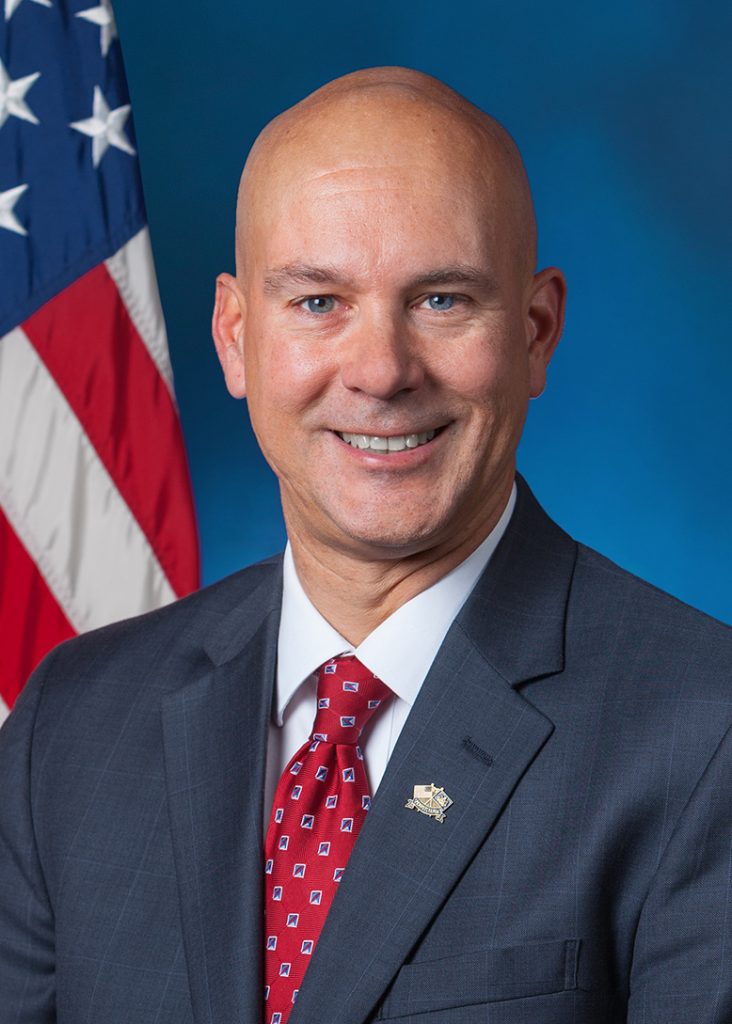
“I honestly believe we shouldn’t be even having a discussion about minimum wage,� Sen. Pat Stefano, R-Bullskin Township, said. “Minimum wage should be a function of workforce and market forces.�
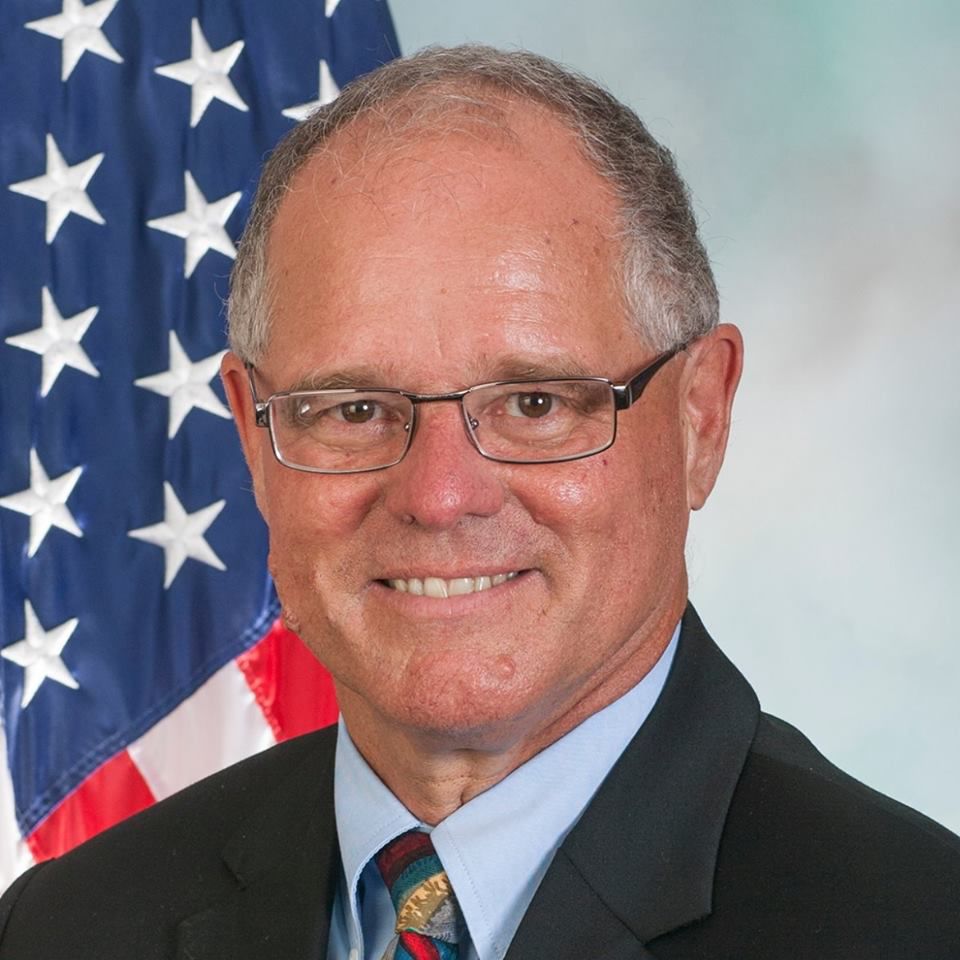
“It should be market-driven,� said Rep. Bud Cook, R-West Pike Run Township.
Cook noted that the labor market is tight (PennsylvaniaÄ¢¹½ÊÓƵ unemployment rate was 4.5% in December), saying that businesses are having a hard time finding workers to hire.
But he agrees with Wolf that $7.25 is too low a minimum wage.
“Having said that, how fast do you come up and how high do you go?� Cook said.
The state Senate already gave its answer to those questions by overwhelmingly passing Senate Bill 79 in November.
The bill, which passed in a 42-7 vote with just seven Republicans in opposition, would increase the minimum wage to $8 an hour beginning July 1, with stepwise increases to $9 an hour starting July 1, 2021 and $9.50 beginning Jan. 1, 2022.
The bill does not link the stateÄ¢¹½ÊÓƵ minimum wage to a future inflation-based index, so the minimum wage wouldn’t rise in accordance with future cost-of-living increases.
“Rather than going back and asking the Senate again to redo their wage vote at a much greater level, I would prefer the governor work with the House to vote the minimum wage bill already sent by the Senate,� said Stefano, who voted for SB 79.
Sen. Camera Bartolotta, R-Carroll Township, is chair of the Senate Labor & Industry Committee and also voted for SB 79, which she said would avoid “launch(ing) the minimum wage through the roof to $15 an hour,� a move she said would be too onerous for local businesses.
“You can’t more than double the minimum wage and expect the economy to absorb it,� Bartolotta said.
SB79 has languished since it was referred to the House Labor and Industry Committee in November.
Rep. Pam Snyder, D-Jefferson, a minority member of the Labor and Industry Committee, said that she supports raising the minimum wage incrementally and finds the incremental increases set forth by SB 79 acceptable. Snyder said that during a recent town hall conducted via telephone, more than 80% of participants said they support a minimum wage increase.
Snyder said that some small businesses with a low number of employees should be exempt, though, because of her concern that too high of a wage could put them out of business.
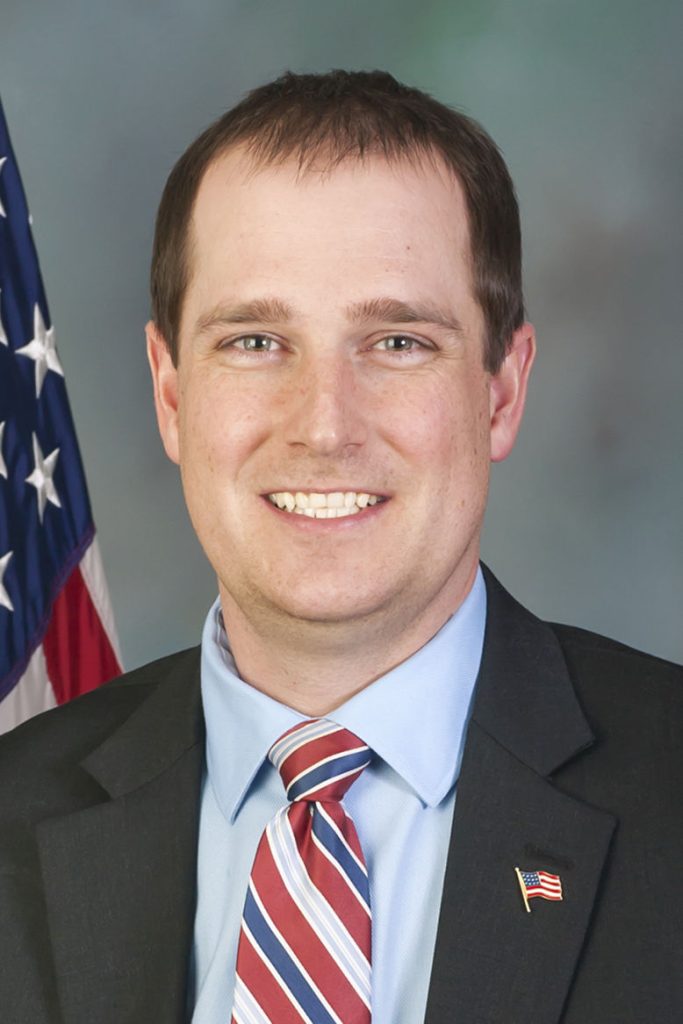
Rep. Ryan Warner, R-Perryopolis, is against what he calls “artificial inflation of wages,� which he believes would lead businesses to cut hours and jobs and raise consumer prices.
“We need to recognize that minimum wage jobs were never intended to be family-sustaining jobs,� Warner said.
Warner referenced a 2019 analysis of PennsylvaniaÄ¢¹½ÊÓƵ minimum wage produced by the state Department of Labor & IndustryÄ¢¹½ÊÓƵ Center for Workforce Information & Analysis showing that workers earning minimum wage or less represented 1.6% of all workers in 2018, or an estimated 96,300 workers.
More than 1 million Pennsylvania workers, though, earned above $7.25 up to $12 per hour in 2018, and another 631,500 earned up to $15 an hour, according to the Center for Workforce Information & Analysis.
Pennsylvania last raised the stateÄ¢¹½ÊÓƵ minimum wage in 2006, from $5.15 an hour to $6.25 effective Jan. 1, 2007, and to $7.15 effective July 1, 2007. The federal minimum wage increased from $6.55 an hour to $7.25 effective July 24, 2009.
Ten states have their minimum wage rates tied to the Consumer Price Index and an additional eight states have approved cost of living adjustments to their minimum wages over the next few years, according to the Center for Workforce Information & Analysis.
“I believe it would be more appropriate if (minimum wage) increased or decreased with actual inflation based on the Consumer Price Index rather than an artificial index,� Warner said.
All of PennsylvaniaÄ¢¹½ÊÓƵ neighboring states have had higher minimum wage rates than Pennsylvania since the start of 2015. The 2018 minimum wage rates of PennsylvaniaÄ¢¹½ÊÓƵ neighboring states ranged from $8.30 to $10.40.
“Pennsylvanians shouldn’t earn less than workers in West Virginia, Ohio or New Jersey for the same job,� Wolf said. “We are a state known for our tremendous work ethic, but when jobs don’t pay enough, people can’t afford basics like food, housing, childcare and transportation. That should be unacceptable to all of us.�
The governorÄ¢¹½ÊÓƵ proposal would raise the minimum wage to $12 an hour on July 1, 2020 with annual 50-cent increases until reaching $15 an hour in 2026. Wolf estimated that at $15 an hour, nearly 93,000 adults would leave Medicaid and generate more than $300 million in state tax revenue in 2026.
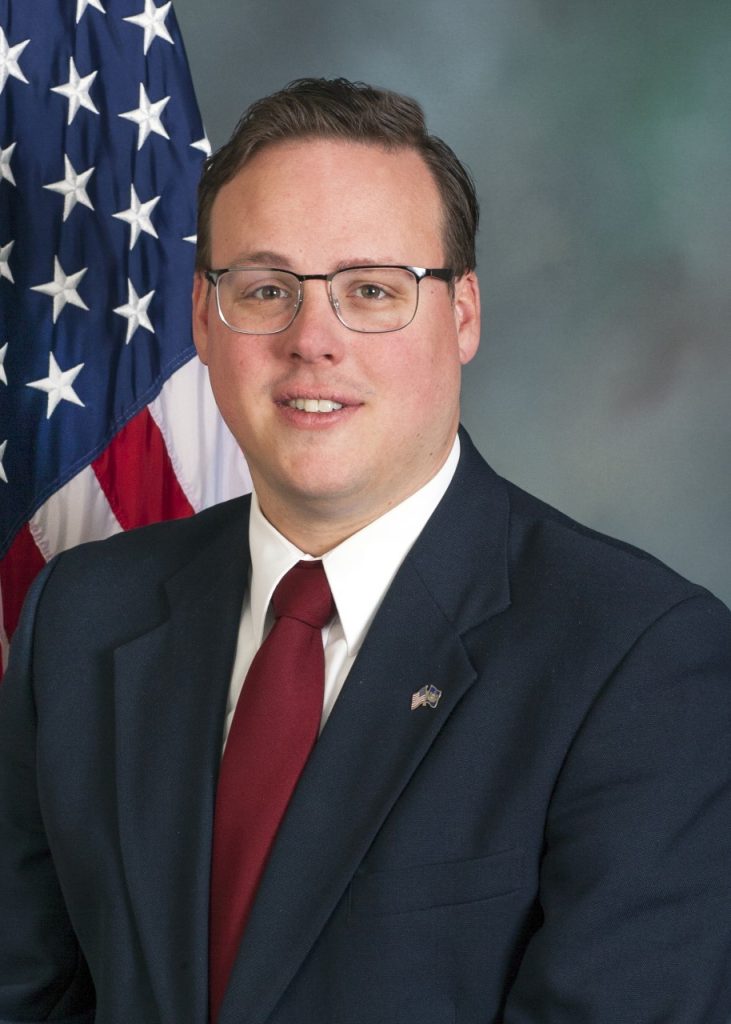
Rep. Matt Dowling, R-Uniontown, renewed his criticism of Wolf for his 2018 veto of DowlingÄ¢¹½ÊÓƵ House Bill 2138, which would have instituted work requirements for “able-bodiedâ€� Medicaid enrollees to fulfill to keep their health insurance coverage.
“If the governor is not willing to create the expectation that those able to work should work, then no minimum wage increase will significantly decrease the number of individuals on Medicaid,� Dowling said.
“Waiting more than a decade for a minimum wage increase is too long,� Wolf said.