

If I had a hammer: Tools every homeowner should have on hand
MetroCreative
MetroCreative
MetroCreative
MetroCreative
MetroCreative
MetroCreative
MetroCreative
MetroCreative
MetroCreative
MetroCreative
MetroCreative
MetroCreative
MetroCreative
MetroCreative
Whether hanging a photo or fixing a leaky kitchen pipe, there are certain tools homeowners need to get a job done.
Jerry Petrucci, of Menallen Township, retired building construction instructor for Fayette County Career and Technical Institute, recommended several for homeowners who want to start a tool kit.
“These are the basics. If you have them, you can take care of a lot of problems,� he said.
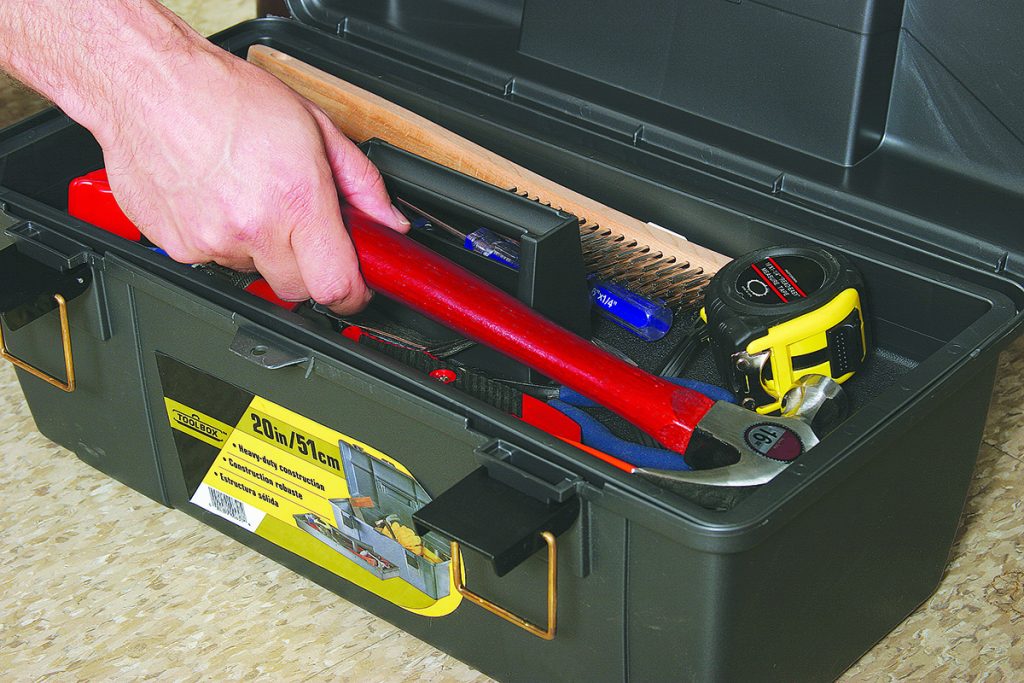
Petrucci recommended:
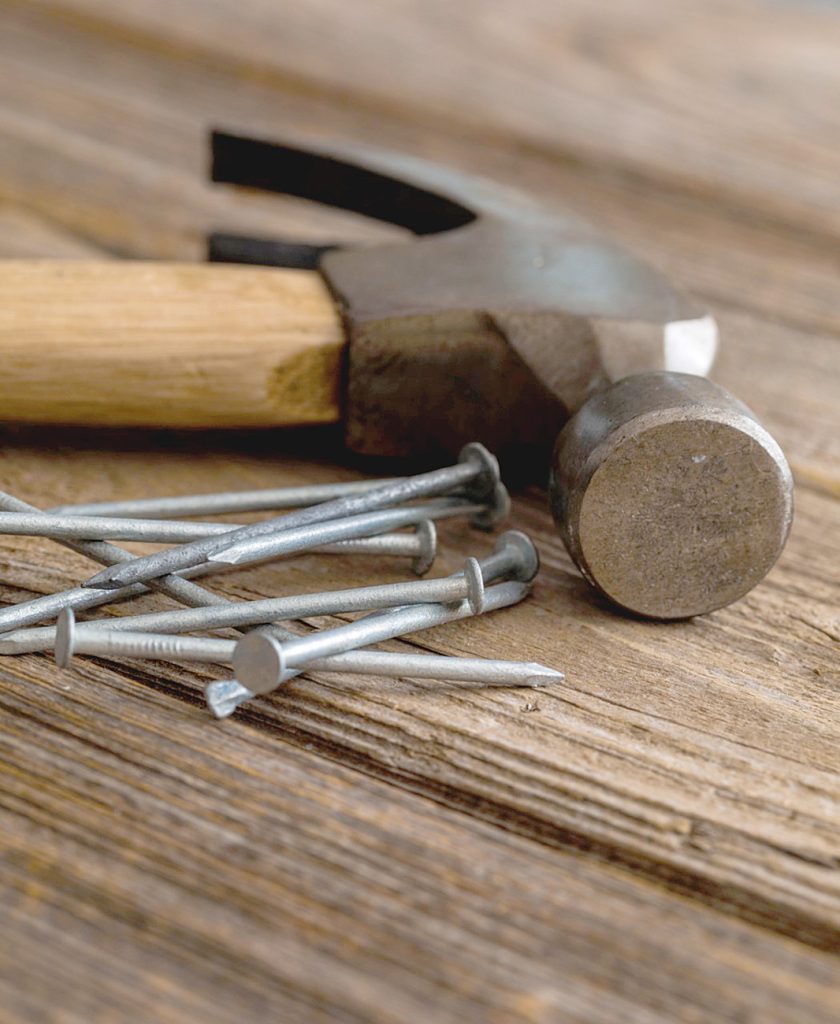
Hammer: Hammers can drive and extract nails, useful for many jobs.
“For a homeowner, you probably want a curved-claw hammer. A curved claw makes it easier to remove nails.�
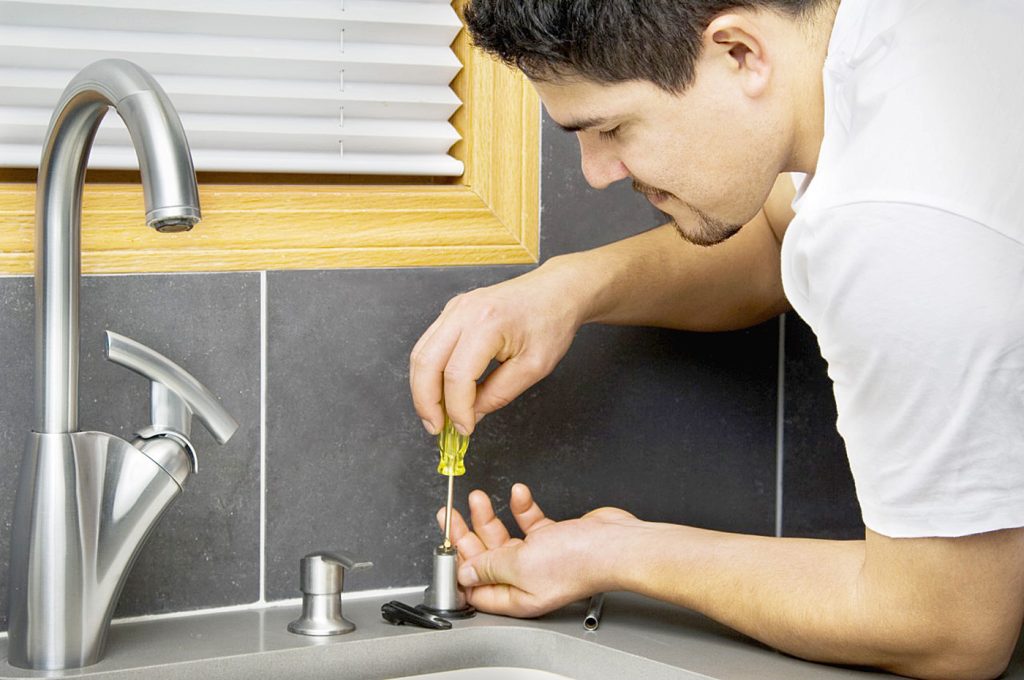
Screwdrivers: Buy a Philips screwdriver with a cross in the middle and a flat-blade screwdriver to handle different types of screws.
“You can get a screwdriver with two sizes of flat blades and two sizes of Philips. They’re interchangeable so you have one screwdriver with four different heads.�
Screwdrivers can be used to assemble furniture, replace electrical outlets and open compartments to replace batteries.
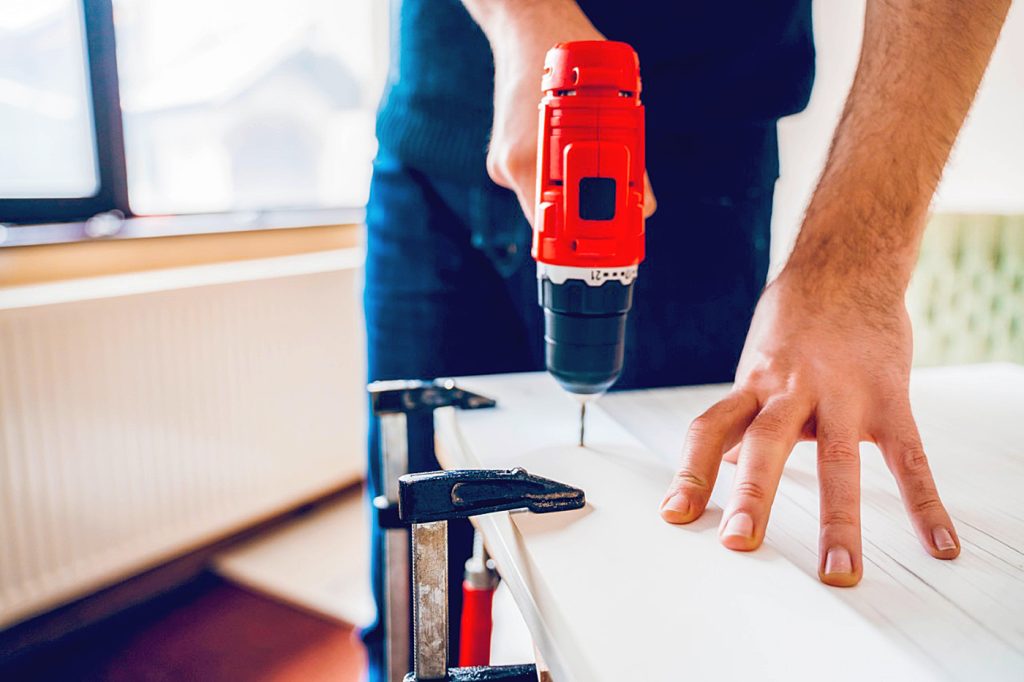
Drill: Homeowners may prefer a battery-powered drill.
“You can put a screwdriver bit into it and that could replace the hand-held screwdriver. It can have any number of drill bits to drill holes for many purposes.�
Level: A level 6 inches to 2 feet is recommended for a homeowner.
“A small level is good for hanging a picture or making sure something is straight on a wall.�
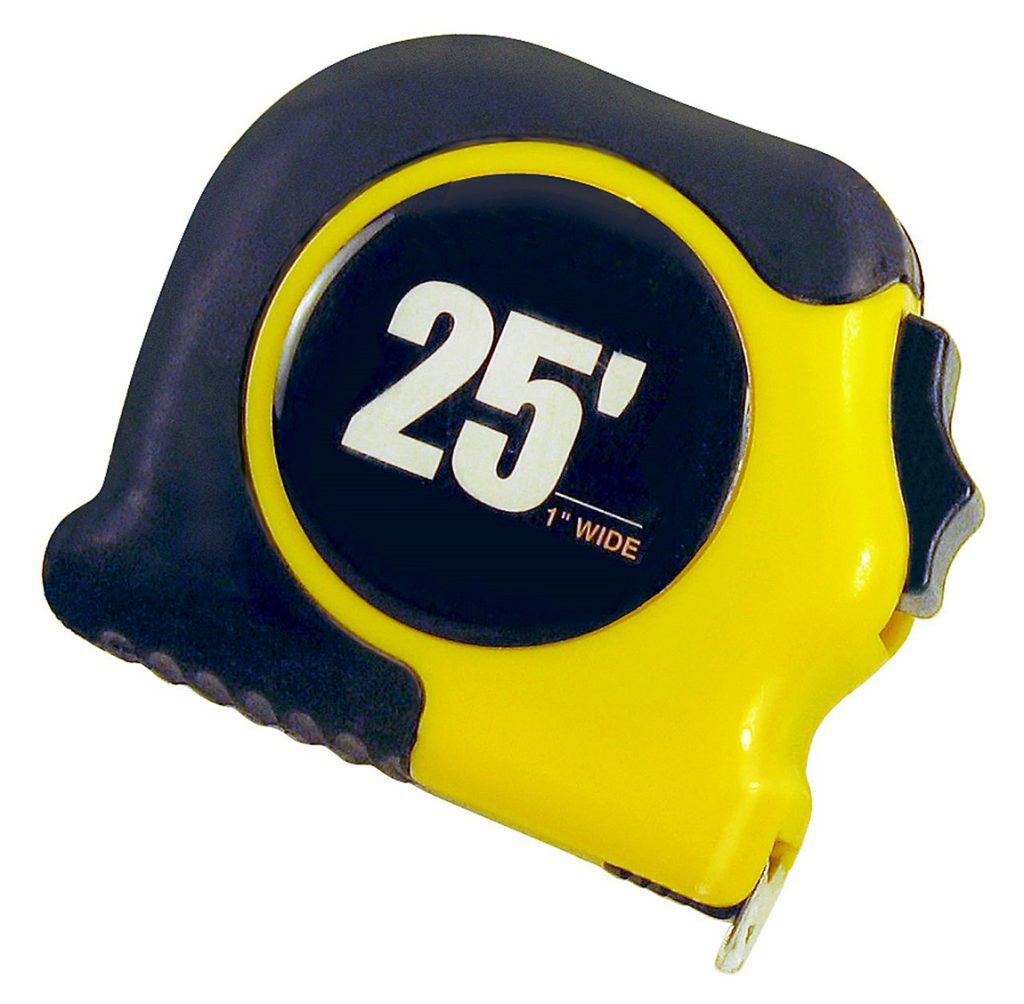
Tape measure: Find out the size of a table to purchase tablecloths, windows for curtains or the length of a room for a carpet.
“I’d say a 25-foot tape measure is good for just about anything around the house.�
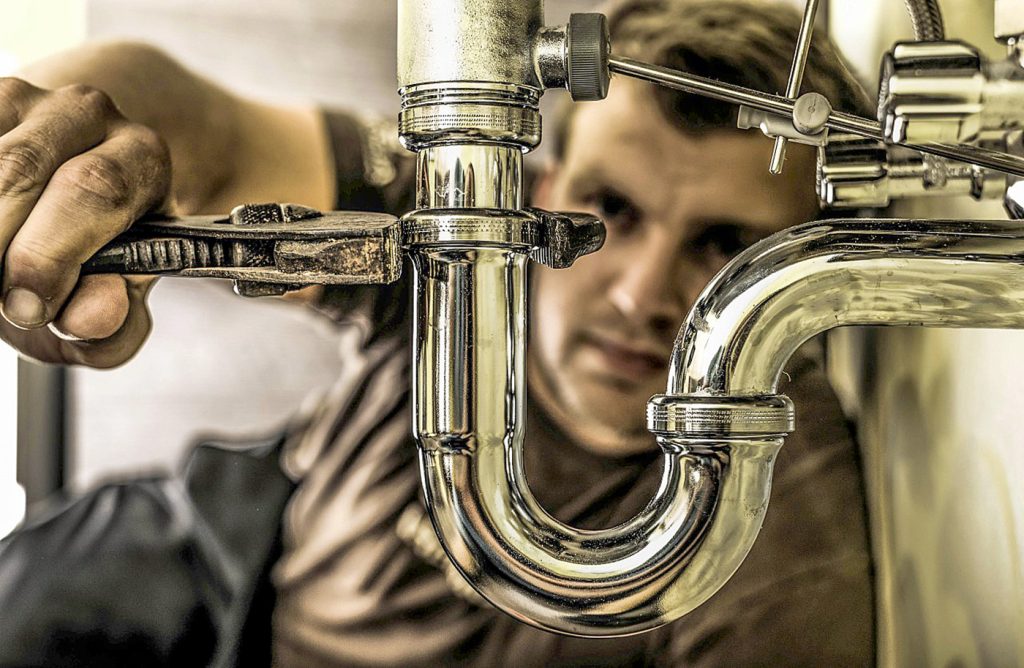
Wrenches: An adjustable wrench and a Channellock wrench are recommended.
Petrucci noted an adjustable wrench can be used with a screwdriver to hold a nut and “Under the sink on the drain pipes, there are fittings where a Channellock can be used to grip it.�
Clamps: “There are all kinds of clamps to give you an extra hand. Different clamps can hold something in place if you’re putting nails in or gluing it.�
Pliers: “ThatÄ¢¹½ÊÓƵ just about as basic as you can get for gripping anything you can’t hold with your fingers.â€�
Saws: A handsaw can be used for cutting wood and a hacksaw for pipe.
“If you have a hacksaw, you can cut copper pipe or plastic pipe — any type of plumbing.�
Knife: “ItÄ¢¹½ÊÓƵ sometimes called box cutters or a carpenterÄ¢¹½ÊÓƵ knife. The blade is retractable. ItÄ¢¹½ÊÓƵ pretty good to have to cut boxes or just about anything. The blades are changeable,â€� said Petrucci, noting homeowners may also want to purchase shears.
Drywall knife: “You might want a 4-inch, drywall knife. ThatÄ¢¹½ÊÓƵ a flat blade with a handle for making repairs. Drywall can be easy to damage, like when you’re moving furniture. If you put a dent in it, you can fix it with drywall mud that you can buy in small cans.â€�
Files: “You can file rough edges on metal and they can actually be used on wood. ThereÄ¢¹½ÊÓƵ a lot of types.â€�
Calking gun: “Caulk is used in many places around the house, like the bathroom. Anytime a crack appears in a corner or ceiling, itÄ¢¹½ÊÓƵ easy to fix with caulk and you need a caulking gun.â€�
Tool pouch: “You wear it around your waist and you can carry your tools with you.�
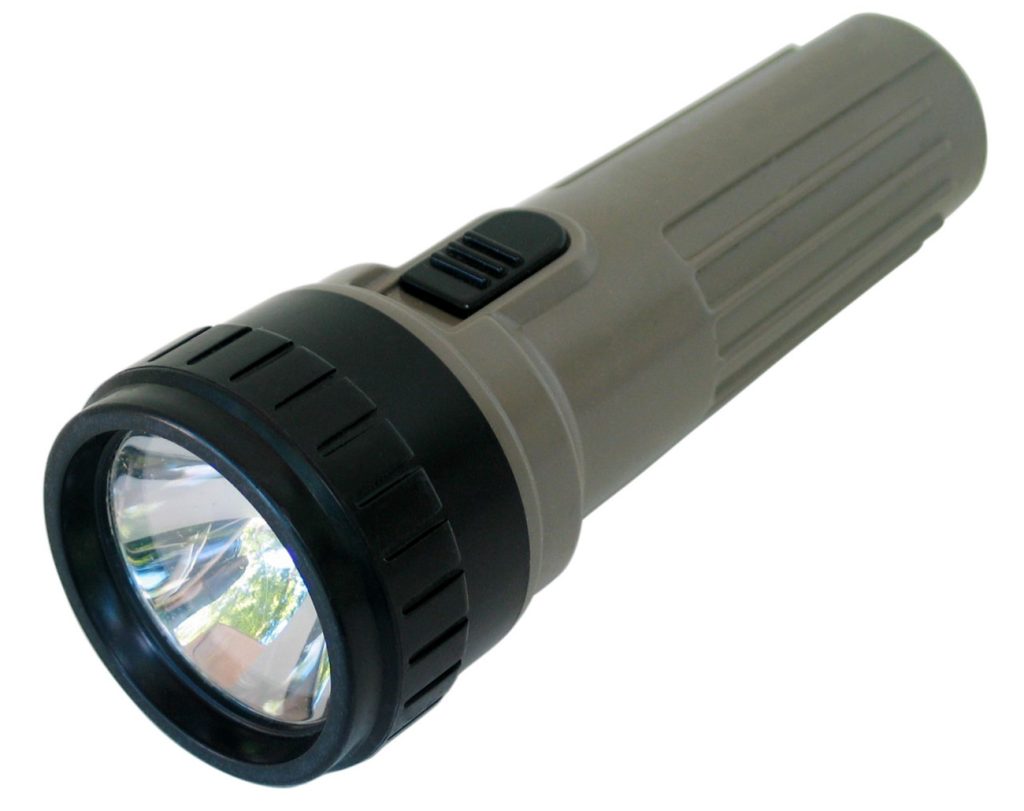
Flashlight: “A nice type that a lot of people like to use is attached to a head band so the light is on your forehead, and it leaves your hands free to work.�
Be willing to add to your supply.
Petrucci commented, “It seems like every time you need to do something, thereÄ¢¹½ÊÓƵ another tool you need. You just add to the box, and then you’ll need a bigger tool box.â€�
Petrucci also advised those new to tackling home repairs can check YouTube for tutorials, adding, “It seems like anything you want to know is on them.�