

Use safe practices to avoid spreading bacteria in your kitchen

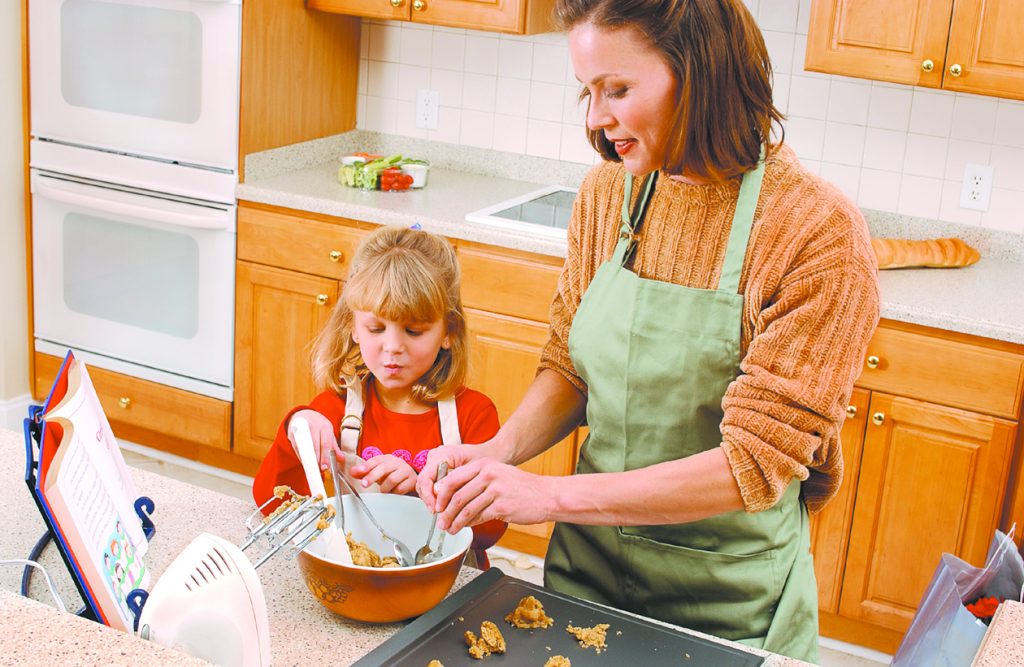
Kitchens are places where you prepare food, eat meals and gather with family and friends. But make sure yours is a safe place, free from contamination that can cause foodborne illnesses.
“ItÄ¢¹½ÊÓƵ not like you need to wear a mask, gloves and a full gown to cook food but just take precautions so it becomes an everyday habit and no one gets sick,â€� said Melissa Shaw, of Grindstone, who recently retired as culinary instructor at Fayette County Career and Technical Institute in Georges Township.
ThereÄ¢¹½ÊÓƵ cause for some concern as a new study from the U.S. Dept. of Agriculture revealed participants failed to wash hands correctly 97 percent of the time, only 34 percent used a food thermometer to check their burgers were cooked properly and significant numbers spread bacteria in a test kitchen.
“As a mother of three young children, I am very familiar with the mad dash families go through to put dinner on the table,� Carmen Rottenberg, acting deputy Under Secretary for Food Safety at USDA, said in a press release. “You can’t see, smell or feel bacteria. By simply washing your hands properly, you can protect your family and prevent that bacteria from contaminating your food and key areas in your kitchen.�
In fact, the release noted the U.S. Centers for Disease Control and Prevention estimates 48 million Americans are sickened with foodborne illnesses each year, resulting in roughly 128,000 hospitalizations and 3,000 deaths. Children, older adults and those with compromised immune systems are especially at risk.
Shaw said proper handwashing is the biggest concern.
She advises, “Use hot water, soap and do it for 20 seconds. You can sing ‘Happy Birthday’ in your head. ThatÄ¢¹½ÊÓƵ a good measure of time. Dry your hands with a single-use paper towel, not one you might have used to wipe off your counter, get food out of the oven or chicken out of the refrigerator.â€�
Shaw said you should wash your hands every time you work with raw meat and eggs: “You can’t wash your hands too often.�
Thermometers are important because they can tell if the food is properly cooked. The USDA recommends these minimum internal temperatures: 145 degrees Fahrenheit for beef, pork, lamb and veal (steaks, roasts and chops); 160 degrees for ground meats (burgers); and 165 degrees for poultry (whole or ground).
Noting a thermometer doesn’t have to be expensive, Shaw said to stick it in the thickest part of the meat when you check the temperature. If itÄ¢¹½ÊÓƵ not done, cook it some more.
Why check?
Shaw explained, “You can eat your steak rare because bacterial grows on the outside of steak so when you cook it, you kill the bacteria. In ground meat, all the pieces are ground together so itÄ¢¹½ÊÓƵ all through the meat. ThatÄ¢¹½ÊÓƵ why itÄ¢¹½ÊÓƵ so important to cook it all the way through and cook it to the right temperature.â€�
Shaw added, “Make sure when you’re making chili, spaghetti, tacos – anything with browned beef – that you cook it all the way.�
Cross-contamination happens more often than you realize.
The USDA study, conducted in collaboration with RTI International and North Carolina State University, found that participants in the test kitchen contaminated spice containers used while preparing burgers 48 percent of the time, spread bacteria to refrigerator handles 11 percent of the time and tainted salads due to cross contamination 5 percent of the time.
So remember to keep it clean.
In addition to washing your hands, Shaw noted itÄ¢¹½ÊÓƵ important to wash cutting boards and knives.
“I use hot, soapy water. You can add a couple of drops of bleach if you like,� said Shaw, who prefers letting these items air dry rather than use a towel to further reduce possible contamination.
As for cutting boards, Shaw stays away from wood, which a health inspector told her can trap bacteria in a nick or cut.
“You can be the cleanest person in the world,� said Shaw, who said wood is still a risk and prefers using cutting boards made of high density polypropylene.
Wash work surfaces, such as counters and tabletops, with soap and water or bleach-treated kitchen wipes.
“If a person likes to cook with your hands, itÄ¢¹½ÊÓƵ a good idea to wipe off your spices, too,â€� said Shaw, who also recommends keeping the bottles sealed after using them.
Meats should be defrosted in the refrigerator, microwave or in a cold-water bath in a clean sink rather than sitting for hours on a counter, said Shaw.
“When you defrost it in the refrigerator, it slows down the growth of bacteria,� Shaw explained. “Defrost meat in the refrigerator or microwave. You can put it in a clean sink with cold water but you have to keep it cold. Then it will defrost.�
Shaw also likes to wash bagged lettuce as well as fruits and vegetables.
“You don’t know how many people have touched it,� she said, noting you can also use a vegetable brush if you like.
Shaw advises throwing away cooked food after seven days and noted the old adage, “When in doubt, throw it out.�
An exception is that itÄ¢¹½ÊÓƵ alright to freeze food after itÄ¢¹½ÊÓƵ cooked, but Shaw noted, “You can only refreeze it once after you cook it.â€�
As for milk, Shaw said it can sometimes last beyond the sell-by date: “Smell or taste it, but always check before you use it.�
If you’re wondering, yes, itÄ¢¹½ÊÓƵ better to wash the dishes immediately after meals.
“And itÄ¢¹½ÊÓƵ better to let them air dry, unless you have a dishwasher – itÄ¢¹½ÊÓƵ more sanitary,â€� said Shaw.
If children want to help you prepare meals, let them.
“Make sure they wash their hands before they help you. It teaches them so they’ll remember when they’re older,� said Shaw.
Much of this is not new.
“A lot of things are what our mothers and grandmothers taught us,� said Shaw. “I think with everybody working and everybody busy, sometimes you skip steps. But it just takes a couple more minutes to be safe.�