

Make a change at home with new curtains and draperies
MetroCreative
MetroCreative
MetroCreative
MetroCreative
MetroCreative
MetroCreative
MetroCreative
MetroCreative
MetroCreative
ItÄ¢¹½ÊÓƵ nearly spring! ItÄ¢¹½ÊÓƵ the time of year when many homeowners consider buying new draperies and curtains.
“You can buy new any time of year but spring and fall are usually when people want to see a change in draperies,â€� said Charlotte Connors, owner of CharlotteÄ¢¹½ÊÓƵ Custom Draperies and Home Furnishings in Waynesburg. “Those seem to be the busiest times for me.â€�
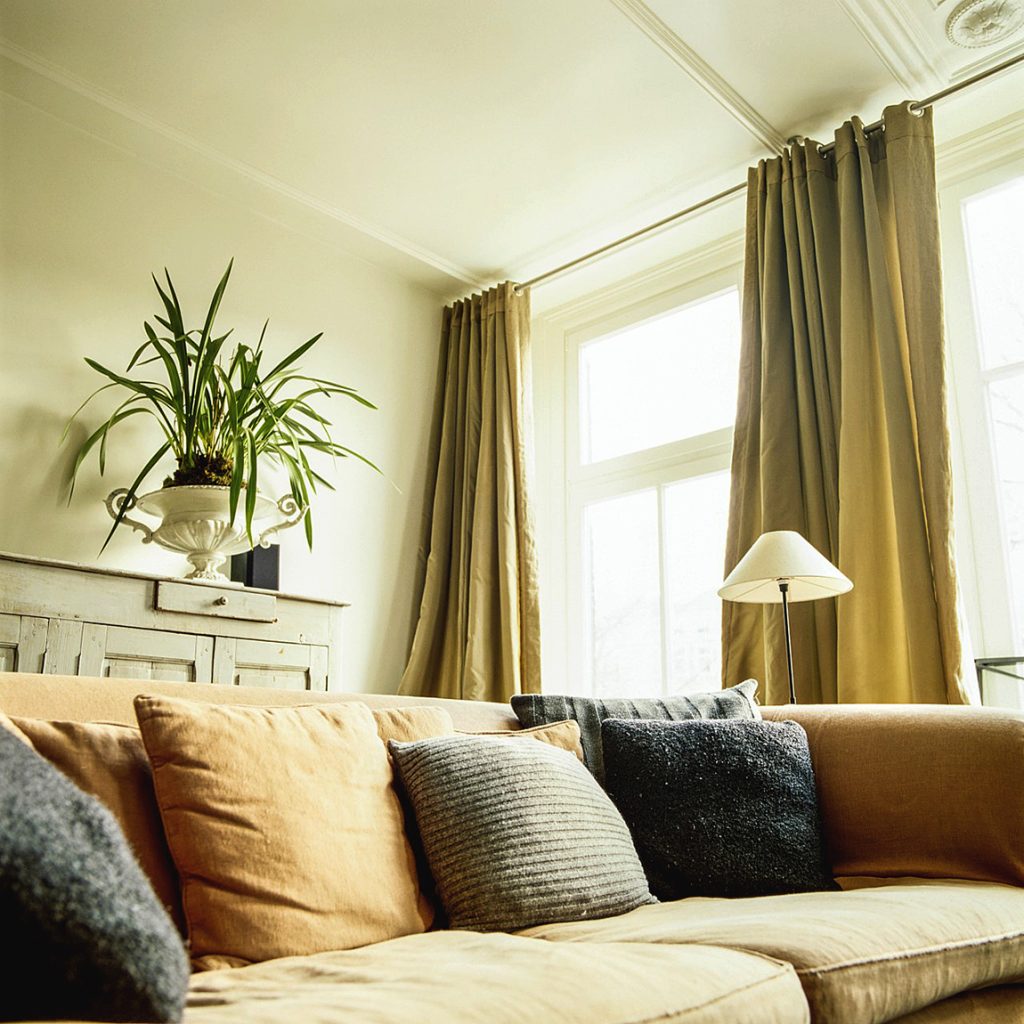
Making a change in draperies and curtains can make a difference in a room.
“They’re the jewelry of the room,â€� said Connors. “ItÄ¢¹½ÊÓƵ like putting on a necklace when you’ve finished dressing. ItÄ¢¹½ÊÓƵ the finishing touch.â€�
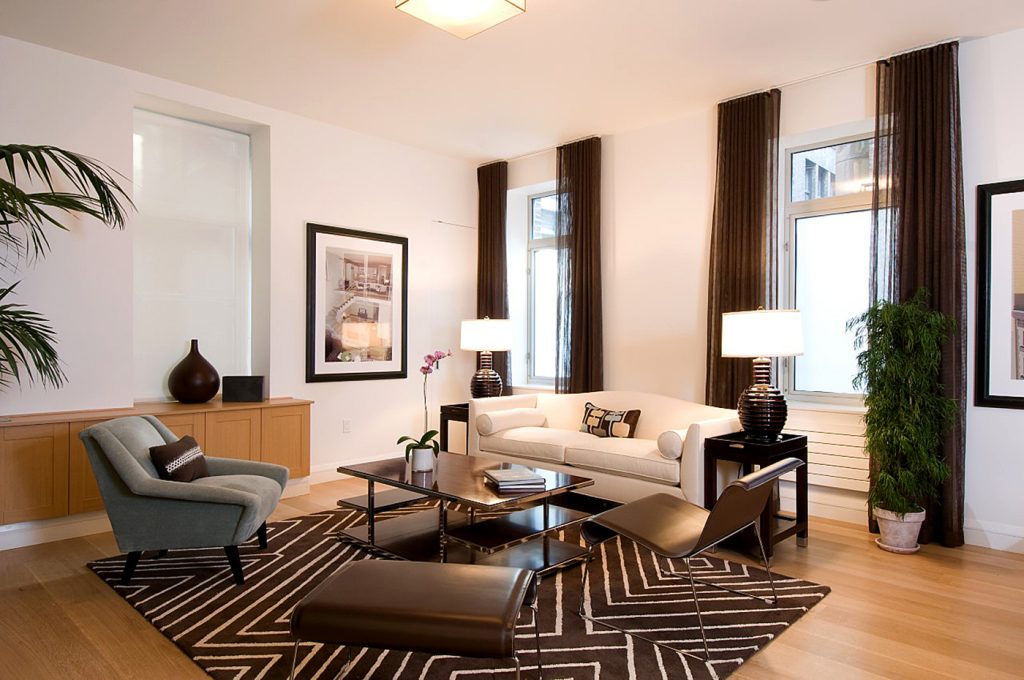
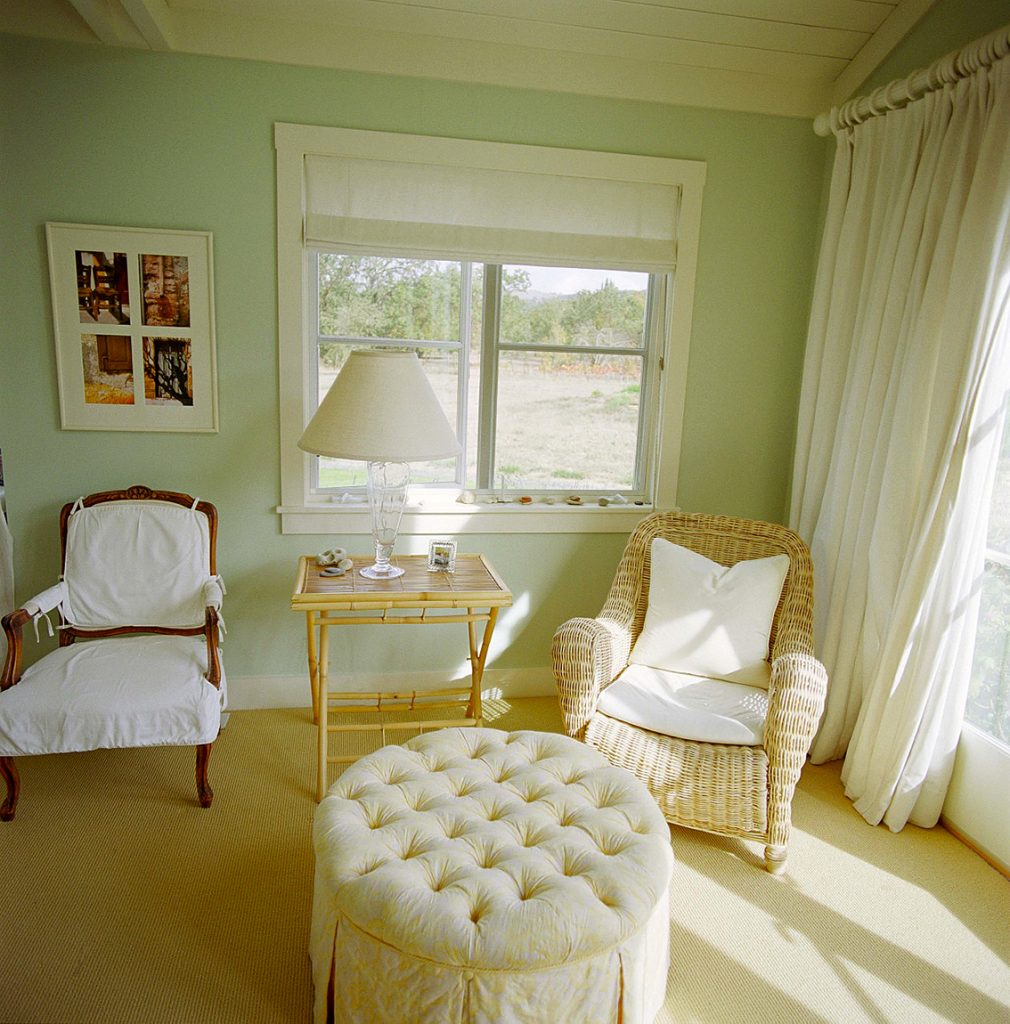
More specifically, Connors noted, “Draperies add a little bit of softness to a window. They can be very soft and neutral. They don’t have to stand out.�
ThereÄ¢¹½ÊÓƵ a difference between draperies and curtains.
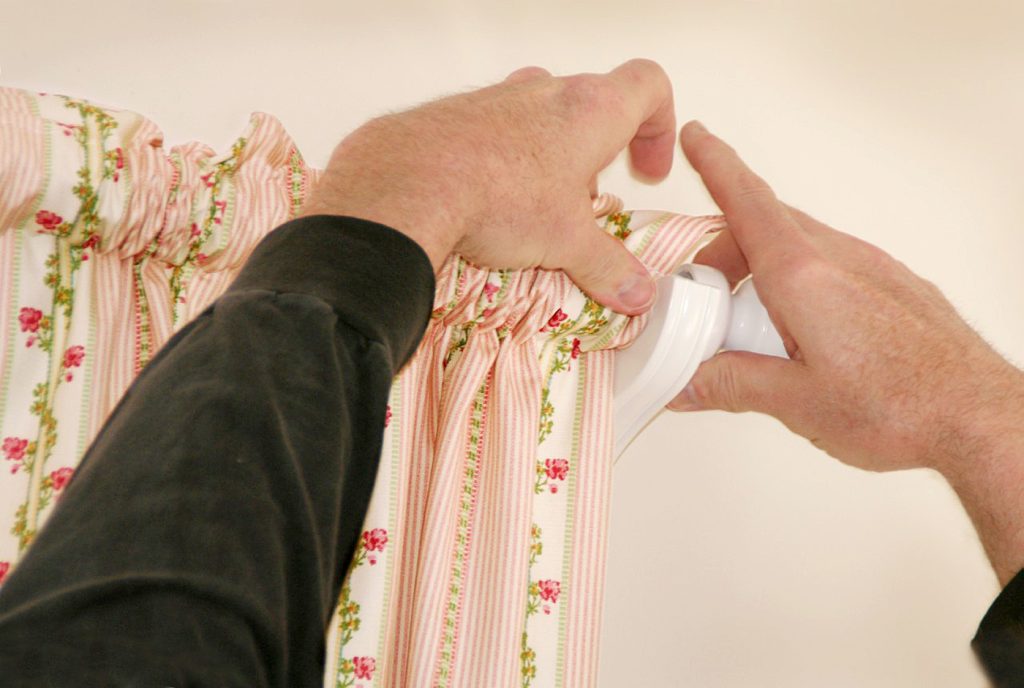
“A curtain is a more, simple window treatment. ItÄ¢¹½ÊÓƵ usually shirrs on a rod. Most often, itÄ¢¹½ÊÓƵ unlined,â€� explained Connors. “A drapery is normally a fabric panel thatÄ¢¹½ÊÓƵ lined and sometimes interlined and is more formal. Usually a drape has a header on it — thatÄ¢¹½ÊÓƵ the top. That can be a pinched pleat header. It can have grommets in the top. There are a myriad of headers. They usually hang on a rod with rings or can be attached to a traversing rod. The options are just endless.â€�
Draperies can be custom made to fit someoneÄ¢¹½ÊÓƵ style or space.
Connors explained, “They want something different than anybody else has or they may have odd-shaped windows they can buy ready-made draperies for.�
Some people prefer not to use draperies and curtains for their windows.
“A lot of people like that clean edge of a blind,� Connors said.
Homeowners who have blinds can still use draperies and curtains.
Connors explained, “If you have blinds, itÄ¢¹½ÊÓƵ nice to cover the edges with a drapery panel.â€�
But she added, “ItÄ¢¹½ÊÓƵ what your style is.â€�
For those who choose to use draperies, the current style is simple.
“In my business, we’re seeing a lot of plain drapery panels with a beautiful rod — very simple,� Connors said. “I believe passementerie — that has tassels and beading — is making a comeback, but I haven’t seen it in our area yet.�
Color-wise, Connors said, “Blush is very popular, a real soft pink, and grays are very much in. We’re also seeing a lot of navy blues and greens. ThatÄ¢¹½ÊÓƵ the new fabrics and prints I’ve seen come in my work room this spring.â€�
Draperies and curtains may also help a homeownerÄ¢¹½ÊÓƵ energy plan.
The U.S. Dept. of Energy noted on its website that itÄ¢¹½ÊÓƵ difficult to generalize as a draperyÄ¢¹½ÊÓƵ ability to reduce heat loss and gain depends on factors such as fabric type and color.
But the department offered these suggestions:
“During summer days, you should close draperies on windows receiving direct sunlight to prevent heat gain. Studies demonstrate that medium-colored draperies with white-plastic backings can reduce heat gains by 33%.
“When drawn during cold weather, most conventional draperies can reduce heat loss from a warm room up to 10%. Therefore, in winter, you should close all draperies at night, as well as draperies that don’t receive sunlight during the day.
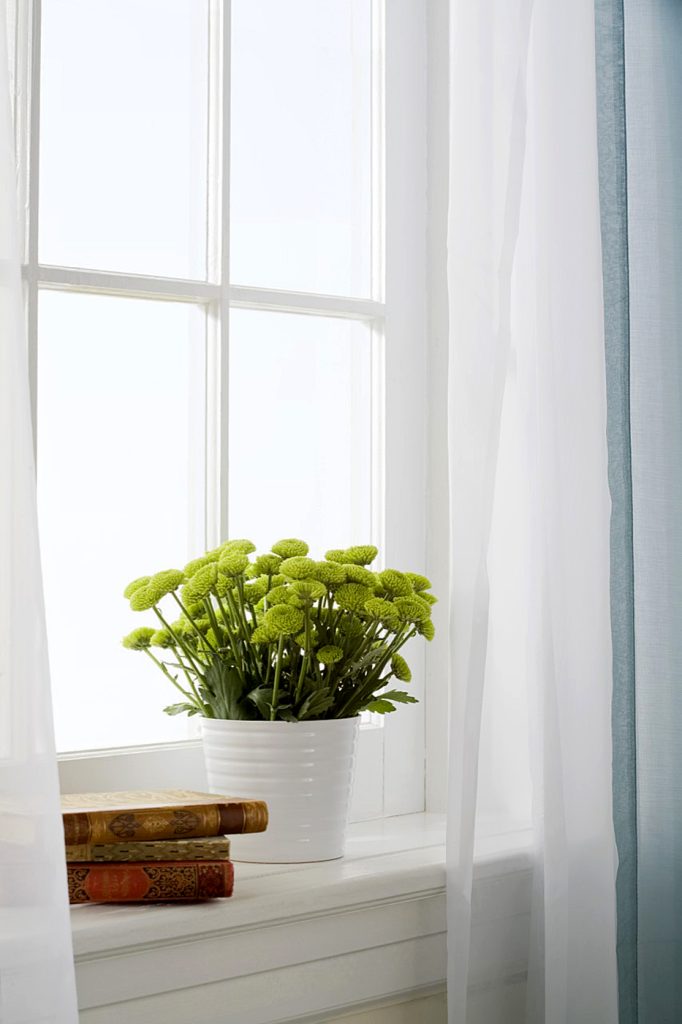
“Two draperies hung together will create a tighter air space than just one drapery. One advantage is that the room-side drapery will maintain around the same temperature as the interior space, adding to a roomÄ¢¹½ÊÓƵ comfort.â€�
So whether for decoration, energy use or privacy, draperies and curtains enhance any room.
Said Connors, “They can make a tremendous difference.�