

Tourism revenue from hotel occupancy tax booming in Fayette County
Alyssa Choiniere
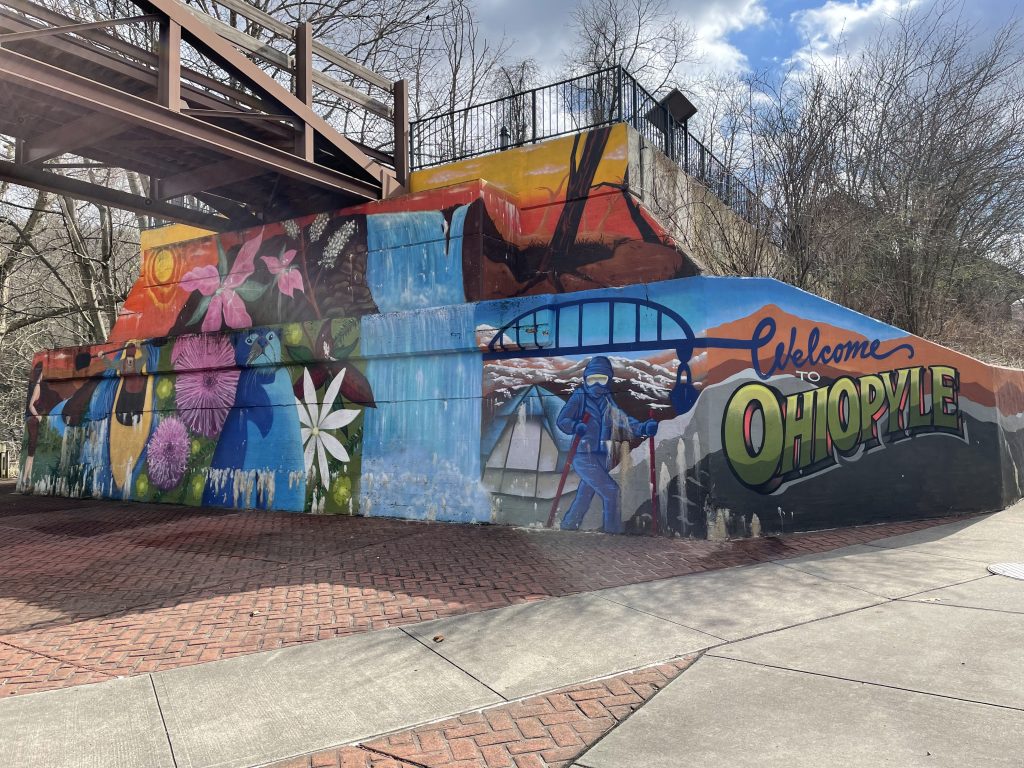
Increased use of rental properties in and around Ohiopyle helped contribute to a rise in the amount collected through Fayette CountyÄ¢¹½ÊÓƵ hotel occupancy tax.
Ä¢¹½ÊÓƵ
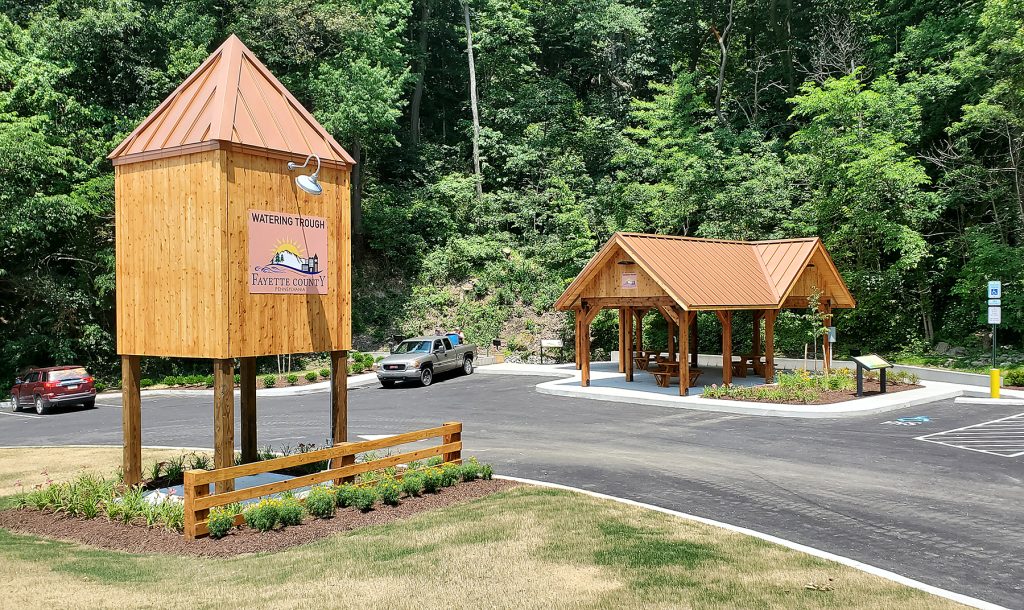
The Route 40 Watering Trough park on Summit Mountain opened to the public in July 2020. The park features a pavilion, a watering trough area and a picnic area as well as signage that pays homage to the rich history of the location.
Submitted photo
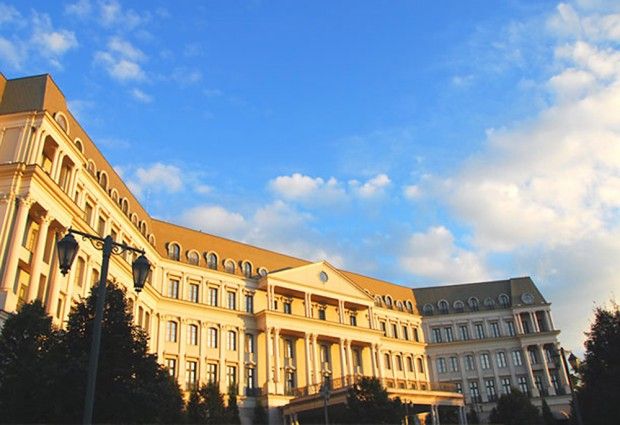
A view of Nemacolin in Farmington.
Revenue from the hotel occupancy tax in Fayette County came roaring back last year after pandemic-related shutdowns were lifted, and county officials are hopeful the booming numbers will help them to push more tourism activities in the region.
The 5% occupancy tax on all overnight stays helps to fund tourism promotions and grant programs, meaning the drop in revenue in 2020 stalled their marketing outreach and forced the agencies to recalibrate their approaches moving forward with hopes the worst of the pandemic is now behind them.
While Fayette CountyÄ¢¹½ÊÓƵ revenue from the hotel occupancy tax fell slightly in 2020, it rebounded last year and exceeded its total income in 2019. The county received nearly $2.9 million in 2021 – up from $2.3 million in 2019 and $1.4 million in 2020 – with the help of various rental cabins around Ohiopyle and the prestigious Nemacolin resort in Farmington.
“2021 was that good,� county Commission Chairman Dave Lohr said. “It did really well. Nemacolin did really well for us, along with the other (lodgings).�
The revenue is split between Fayette CountyÄ¢¹½ÊÓƵ government and the Laurel Highlands Visitors Bureau, which is a Ligonier-based tourism agency promoting and marketing events in Fayette, Westmoreland and Somerset counties. Go Laurel Highlands receives 3% of the revenue while the county government receives the remaining 2% and allocates it through a partnership with the Fayette Chamber of Commerce.
While Go Laurel Highlands offers more regional marketing to attract people across the northeast to visit the area, the remaining money allows the Chamber to offer grants to organizations to build or market attractions. Lohr pointed to the new Watering Trough that opened in July 2020 along Route 40 on Summit Mountain that helped the county, Chamber, Go Laurel Highlands and Hardy World to partner together to build the recreation area after the Shoemaker family donated the land near Lick Hollow Springs.
“It gives us some flexibility to do some different things,� Lohr said. “The bulk of all the money makes its way back to the county to grow the tourism factor and get it back to the groups that do tourism.�
Chamber of Commerce Executive Director Muriel Nuttall said the partnership allows the county to fund tourism-related projects that might not have enough money to get started or need help with matching grants. She added that the hotel occupancy tax works as a reciprocal relationship by boosting tourism while attracting more visitors to the area, which in turn helps to bring in more revenue.
“We’re really able to step in and solve some problems when thereÄ¢¹½ÊÓƵ a need to get a project finished,â€� Nuttall said. “The more dollars generated by the tax, the more money we can put into tourism … to bring people to Fayette County to keep that revenue generating. ItÄ¢¹½ÊÓƵ a beautiful design for a program.â€�
While neighboring counties saw their revenue decline sharply in 2020 during pandemic-related shutdowns, Fayette CountyÄ¢¹½ÊÓƵ figures remained somewhat strong and then exploded last year. Ann Nemanic, the executive director for Go Laurel Highlands, said Fayette County became a popular destination for people looking to get outdoors amid the pandemic, which helped to boost tax revenue.
“Fortunately, Fayette County and the Laurel Highlands were a destination of choice during the ongoing years of the COVID-19 pandemic,� Nemanic said. “The natural resources found in our state parks provided a welcome respite for individuals seeking wide open spaces to enjoy. The physical and mental health of visitors connecting to nature became a true positive.�
No individual figures were released by the county treasurerÄ¢¹½ÊÓƵ office on the amount each property contributes, but it is believed Nemacolin provides the bulk of the tax money.
There are about 60 properties in Fayette County that contribute revenue from the hotel occupancy tax, which include cabin and vacation home rentals. In comparison, the number of properties in Greene County that pay the tax is smaller with just eight included in the mix, according to JoAnne Marshall, who is director of the Greene County Tourist Promotion Agency.
While Fayette County relies mostly on leisure travel, neighboring Greene County depends more heavily on the natural gas industry for its hotel occupancy, so the ebb and flow of drilling in recent years may have more to do with its boom and bust market rather than the pandemic. Greene County received $166,889 in 2019, but revenue dropped to $99,386 in 2020. Both of those years, the occupancy tax was 3%, but the Greene County commissioners increased the tax last February to 5%, which accounts for a portion of the increase when the county received $143,329 through October 2021.
Marshall said county officials began noticing a revenue decline in late 2019, but because the natural gas drilling industry was able to continue working through the beginning of the pandemic, the larger drop-off was delayed for a few months until the summer of 2020.
“(The drilling) industry also kept working through the beginning of the pandemic which kept our occupancy higher in the first few months of the pandemic compared to those relying on leisure travel,� Marshall said. “I remember in April and May (2020) thinking our county was lucky compared to so many of my counterparts across the state that were shutting down their offices while also laying off staff.�
But the eventual loss in revenue did force the county to layoff one full-time position in the office, although there is hope that a new part-time employee will be hired later this year. The agency also did not print its annual tourism guide in 2021, but Marshall said they are in the process of bringing it back this year and plan to begin distributing it soon. The agency also expanded its online presence during the pandemic.
“You didn’t know when or if we could get back to normal, when regulations would be lifted or when people would go out,â€� Marshall said. “It forced us to look at more of our digital footprint and improve on social media, email marketing, website design. ItÄ¢¹½ÊÓƵ always an opportunity to rethink.â€�
Nemanic said Go Laurel Highlands condensed some of its advertising dollars early in the pandemic to focus on local visitors, but it soon boosted its outreach farther away to attract people from all over the northeast.
“Initially, we kept our marketing range closer to home and targeted the Pittsburgh market,� she said. “Now we are back to significant investment in Washington D.C., Pittsburgh, Philadelphia and select Ohio markets.�
Now, county officials are looking forward to emerging from the pandemic stronger than before with a continued increase in tourism funding this year.
“When you look at everything the county has to offer for tourism and local residents, we’ve come back a long way,� Lohr said.
2019 – $2,307,807
2020 – $1,416,608
2021 – $2,880,099