

Warmer weather leaves Christmas trees ‘pining’ for water
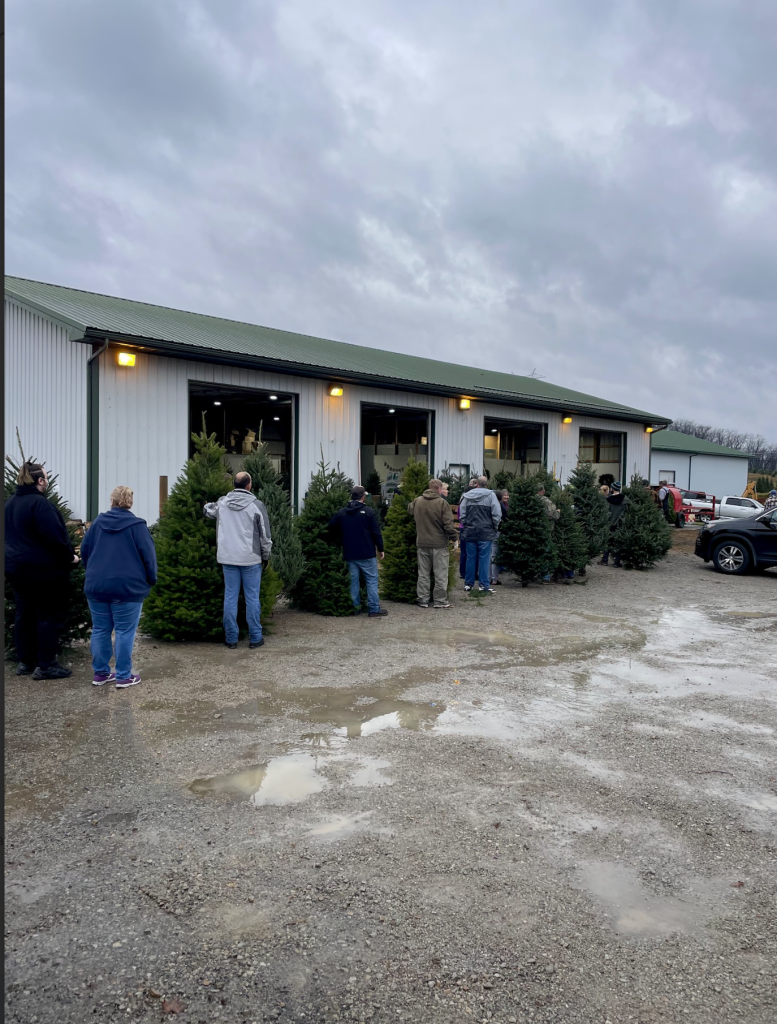
Defying the age-old adage that “money doesn’t grow on trees,” the Christmas tree industry is poised for a banner year, with the National Christmas Tree Association estimating sales of 25-30 million trees, generating a staggering $1.38 billion in revenue.
For perspective, if the American Christmas tree market was a nation, it would have a higher Gross Domestic Product than 12 other countries, ranking it between Seychelles and Grenada, according to the World Bank.
Pennsylvania is rated one of the highest producers of Christmas trees in the country, but given this yearĢ¹½ÊÓƵ dry and extended summer, local farms are trying to stay in front of the challenges of the overall changing climate conditions.
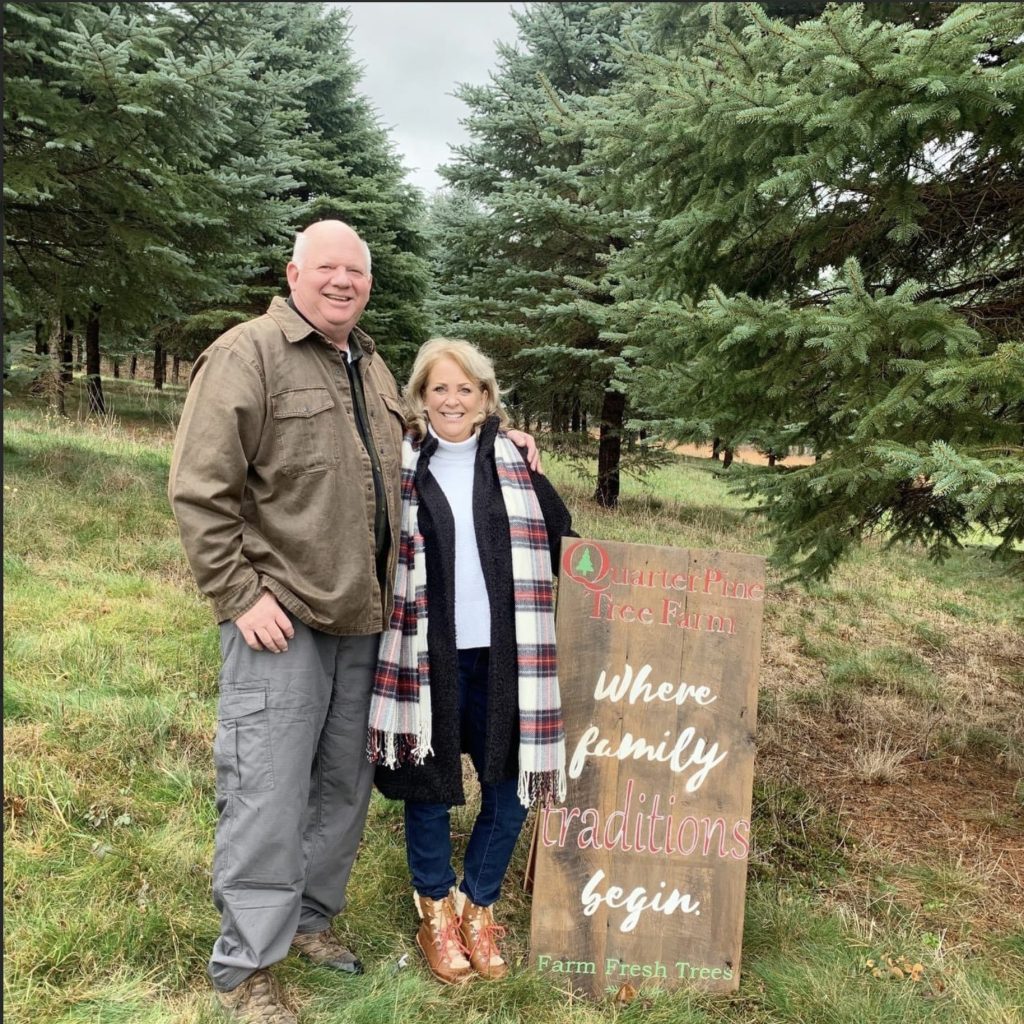
Beth Bossio works as the sales and marketing manager at her family-owned Quarter Pine Tree Farm in Smithfield. She also sits on the board of directors at the Pennsylvania Christmas Tree Growers Association, and said Christmas tree farmers have their work cut out for them when it comes to navigating climate change.
“When you get into farming, you’re always at the mercy of mother nature,” Bossio said. “And this year we just have not had a lot of precipitation.”
While this yearĢ¹½ÊÓƵ batch of ‘ready-to-sell’ Christmas trees have not been greatly affected by the drought conditions, the lack of precipitation has made it hard for tree farms to keep their newest batch of Fraser firs, a popular species known best for its strong needles and pleasant pine smell, alive.
“Everything we planted early, like in early February, all those survived. … Anything we planted in May we lost…and thatĢ¹½ÊÓƵ just part of farming,” Bossio said.
Amanda Leavitt, whose family owns Candle Tree Farm in Washington, said their farm was also unable to keep the Fraser firs that were planted in early spring alive because of a lack of rain.
“Fraser firs, which are native to the Carolinas, are generally not happy here,” Leavitt said, “and this year they were especially not happy in our dry Pennsylvania soil.”
As for the adult trees and what will be available for sale this holiday season, Bossio said despite the dry conditions and extra-long summer, they remain healthy but have developed quite the thirst.
“Our adult trees are healthy and looking healthy,” Bossio said. “They are just going to sip up more water than they did last year.”
As for what this means for customers, Bossio and Levitt stressed the importance of getting freshly cut Christmas trees into water as quickly as possible.
“We tell our customers every year that itĢ¹½ÊÓƵ important to get their fresh cuts into water as soon as possible, but this year itĢ¹½ÊÓƵ more important than ever for our customers to get their trees into water,” Levitt said.
‘A unique crop’
One of the challenges of tree farming is being able to predict what the tree market is going to be like in seven to eight years after the trees are planted. Christmas trees grow about a foot a year, meaning it could take almost a decade until they are able to be sold.
“We’re the most patient and resilient farmers. Think about it – it takes seven years to see a profit from your crop – we’re a unique crop in that way,” Bossio said.
As the average temperature in Pennsylvania continues to rise, American tree farmers in the state are trying to adjust to make sure their crops yield the best return.
Every farmer in agriculture should be concerned about climate change, and while climate change is not going to be the death of the American Christmas tree farmer, valuable research in the field has been done over the past decade to help farmers find solutions to stabilize their crops during unprecedented weather conditions, Bossio said.
“We have ways to work with whatever the climate is going to be. We’ll pivot, and we’ll figure it out. Is it a concern that could make us farmers extinct? No, of course not,” she said.
Some ways farmers have been able to adapt is by building irrigation systems for their farms. Others have switched species to types that are more resilient to the outdoor climate of Pennsylvania.
“People are planting more exotic firs like Nordmann and Turkish firs,” Bossio said. “They say you should never put all your eggs in one basket, so having different varieties is a safer bet when you’re always at the mercy of Mother Nature.”
Nordmann and Turkish firs are popular European trees known for their sturdy branches, deep green color, softer foliage and needle retention.
Leavitt said her familyĢ¹½ÊÓƵ farm has started incorporating Canaan firs into their selection. That species is native to West Virginia, and known for its evergreen shape and pine smell.
“They’re from the Canaan Valley of West Virginia, and they are a lot happier in Pennsylvania,” Leavitt said.
Unlike the Fraser firs, which struggled to survive the drought conditions this season, the Canaan firs are more adapted to the weather of Southwestern Pennsylvania.
“Of course they’re hardier here, they are from our neighbors,” Leavitt said.
A welcome change
For American tree farmers, the only thing that may be fickler than the weather is the consumers.
According to the National Christmas Tree Association, the market for real Christmas trees has increased by close to an average of 4.5% year-over-year for the past 4 years. The trend of buying an authentic live tree is something Bruce Gazvoda, owner of McDonald-based Gazvoda Christmas Trees, is happy to see.
“We’re getting a lot of first-time buyers. I think itĢ¹½ÊÓƵ coming back,” Gazvoda said, whose family has sold Christmas trees for four generations. “This younger generation wants their kids to experience an authentic Christmas.”
Leavitt said an increase in hers sales started during the pandemic, when sales doubled in 2020 and 2021.
“I think people were just longing to be outside and have an experience together, and they were able to take part in a tradition that has brought so much joy to people through the years,” Leavitt said. “It reminded families about the season that is just so special.”
Bossio said it makes sense that the younger generation are starting to turn away from artificial trees and embrace the tradition of buying a live Christmas Tree.
“Live trees are better for the environment and buying trees helps the local economy,” she said.
Bossio suggested another reason young people may be making the change: Instagram.
“Everyone loves having that photo opportunity,” she said, laughing.
And while Christmas trees may only last for just a few weeks, the memories can last much longer.
“Our crop is not just a product, itĢ¹½ÊÓƵ an experience,” Bossio said. “The scent, the memories and even caring for the tree create a Christmas memory a family can cherish for a lifetime.”