

Cultivating a love of plants
Community gardens thrive through volunteers
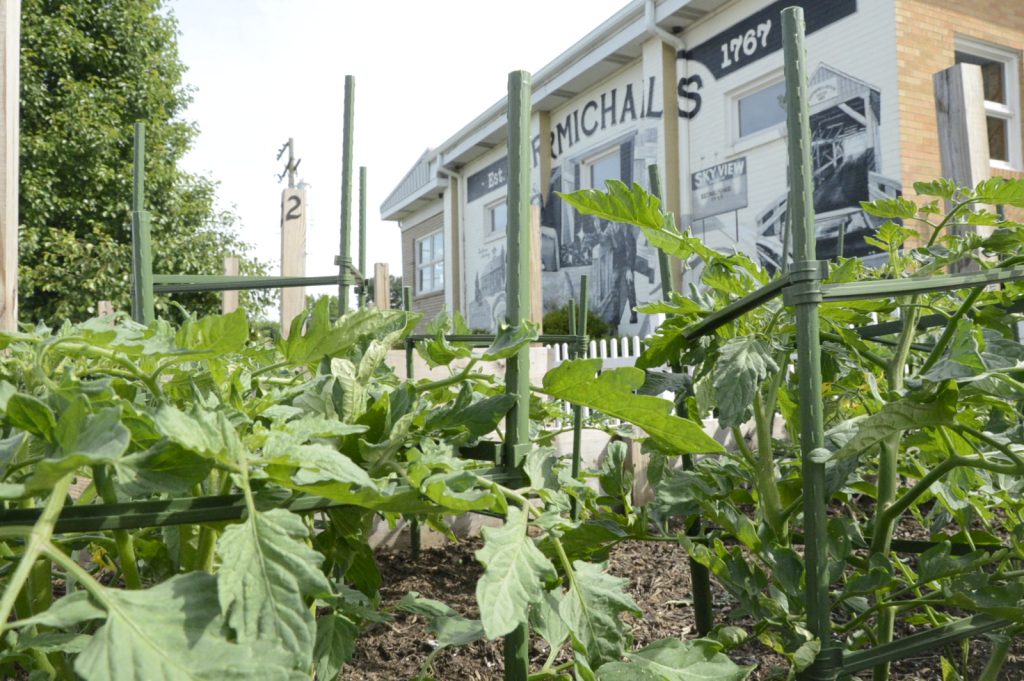
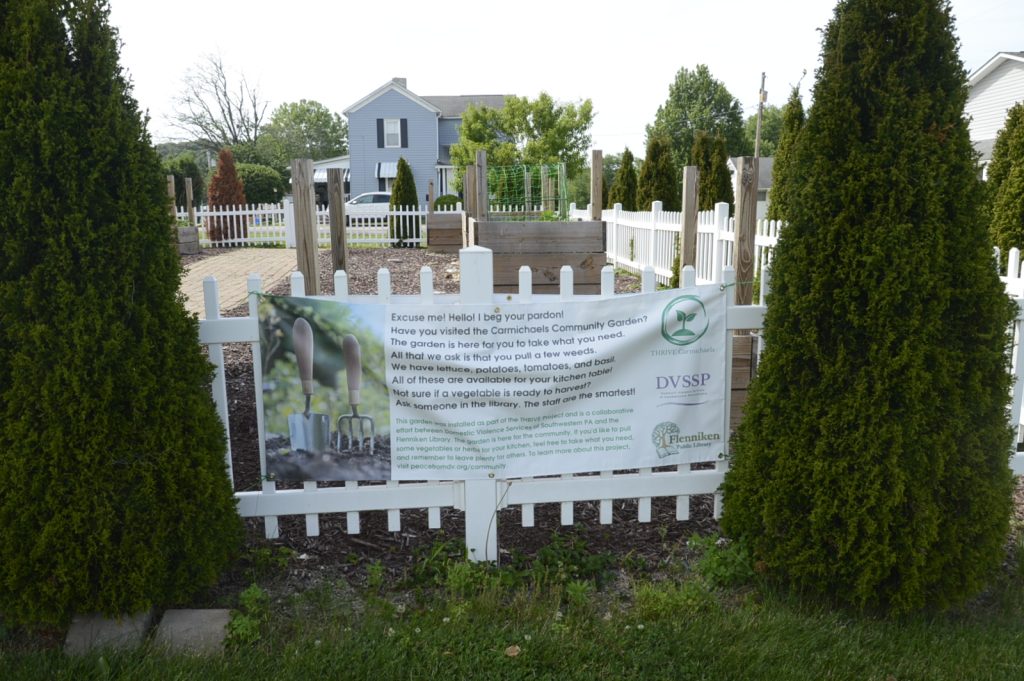
At the Flenniken Library in Carmichaels, Executive Director Nicole Mitchell will hear parents at the libraryÄ¢¹½ÊÓƵ Toddler Time activities say they need to stop at the store for tomatoes.
The response she gets to say: “No, you don’t. Just walk outside and grab them.�
The library has a community garden just outside. And itÄ¢¹½ÊÓƵ one of several spots in Fayette, Greene and Washington counties that are providing healthy food, and education, for the community.
A three-bed community garden next to the Flenniken Library was launched in 2012, tended to over the years by various community groups.
Since 2022, itÄ¢¹½ÊÓƵ partnered with Domestic Violence Services of Southwestern Pennsylvania, which expanded the garden through funding it received for its THRIVE (Tool for Health & Resilience In Vulnerable Environments) project.
“They came in and redid the whole thing, and now itÄ¢¹½ÊÓƵ super-nice,â€� said Mitchell.
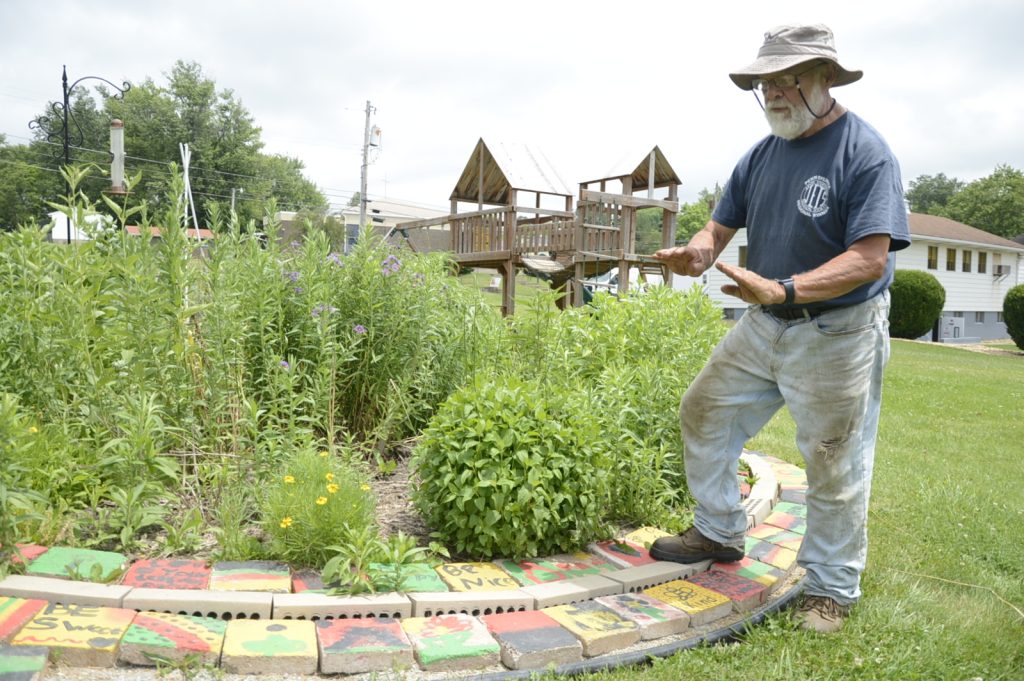
The group hosts a community picnic at the library on the first Saturday in May, where they’ll add an art project, such as mosaic pavers, Mitchell said. They also come twice a week to water and weed.
The expanded garden has nine raised beds with tomatoes, peppers and other plants. Mitchell also obtained blueberry plants and a peach tree with an Allegheny County Food Bank grant.
All of the food is free for the community. When itÄ¢¹½ÊÓƵ time for the harvest, Mitchell said, the library just puts out a post on social media for the community to “come and grab it.â€�
And they do.
People who live nearby come down, Mitchell said. So do the mothers who’d been planning a supermarket run for tomatoes.
“Then itÄ¢¹½ÊÓƵ a fun family activity for them because the kids can go out in the garden too, and they can help Mom pull tomatoes,â€� she said.
Mitchell said the garden is a great way for people who might not have the growing space at home to still get fresh food.
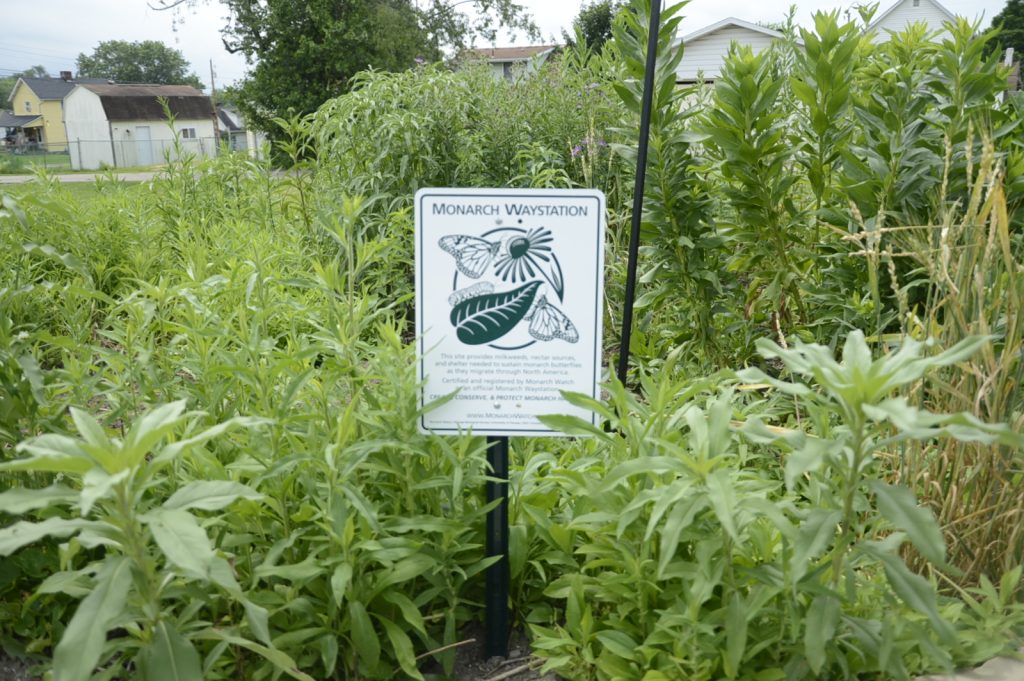
The plants in the garden also help out monarch butterflies, Mitchell said.
“We have other stuff thatÄ¢¹½ÊÓƵ planted around the library that entices them, and we’ve got lots of little chrysalises in the spring, and then they head out,â€� she said. “ThereÄ¢¹½ÊÓƵ quite a little ecosystem going on out there.â€�
In Fayette County, Penn State Extension Master Gardener Dave Meredith tends to his “retirement hobby�: community gardens both on the Penn State Fayette campus and at the East End Community Center in Uniontown.
Having fresh food for the community is important, Meredith said. The centerÄ¢¹½ÊÓƵ in the middle of a food desert — defined as not having a store with fresh food within one mile. And itÄ¢¹½ÊÓƵ more than two miles to the nearest store with ethnic food, Meredith said.
ThereÄ¢¹½ÊÓƵ well over 90 types of edible plants at the East End garden, which Meredith started during COVID.
HeÄ¢¹½ÊÓƵ put in a Latino corner with poblanos, tomatillos and other regional foods. In one instance, a Spanish-speaking man was walking down the street when he saw Meredith was growing cilantro.
Meredith gave him cilantro and a couple of seeds.
The man came back the next day, Meredith said, and told him, “I called my dad in Mexico, and I showed him that I can get cilantro in Fayette County.�
That kind of encounter is why he maintains the garden, Meredith said.
“If I learned to play golf, to go somewhere to play golf, it’d be a couple hundred for one weekend,� he said. “I buy $200 worth of seeds, I can have fun year-round, and I can feed people.�
Every week, the kids at the center come to the garden for an after-school program hosted by a local garden club. In March, the children planted seeds for all of MeredithÄ¢¹½ÊÓƵ greens, including lettuce, spinach and Swiss chard.
Firefly Gardens in Washington broke ground in 2021 after a year of brainstorming and planning. After a grassroots effort aided by out-of-town volunteers in the area on service projects, it had a grand opening in 2022.
Creator Pam Kilgore, founder of WashPa Outdoors, had been providing outdoor education programming for kids and families in Washington Park. Coming from a horticulture background, she wanted to add an element of that to her programs.
And she wanted to put it close to the heart of the city to make it closer for people who couldn’t always get to the park. ItÄ¢¹½ÊÓƵ at a spot directly beside the Transit Authority building.
“ItÄ¢¹½ÊÓƵ within the city limits, but itÄ¢¹½ÊÓƵ on one far end, and so itÄ¢¹½ÊÓƵ not truly accessible to a lot of people, especially if they don’t have a vehicle, and so I wanted to find a space that was more accessible for folks,â€� Kilgore said.
The Highland Ridge Community Garden, where people can lease a plot and grow their own vegetables, is three blocks away. Not wanting to compete with that space, Kilgore conceived of Firefly as a community green space and educational space.
A fenced-in greenhouse area is used for food production. Outside of that, Kilgore grows demonstration gardens for plants native to Pennsylvania, where people can see what they look like at maturity. There are also gathering places and a sensory play space for kids.
Kilgore sees the garden as a way to combat food insecurity in the area — where the local food pantry was one serving 50 families a month, itÄ¢¹½ÊÓƵ now closer to 600, she said.
ItÄ¢¹½ÊÓƵ also become “kind of a sanctuaryâ€� for people who live nearby, whether at an apartment on Main Street, the City Mission or at a sober living house.
“I love it when I come to do some work and I see someone who I’ve never seen before just sitting at a picnic table there,� she said.
Kilgore tries to do a lot of the staples — tomatoes, greens, peppers — and things like kale and horseradish that will come back year after year.
Once they’re producing, the crops are free. Volunteers get first dibs. Then the surplus goes on “the produce ladder� — a ladder Kilgore painted bright red.
“I put free surplus produce out on the ladder, and people have come to know that they can check the ladder any day, anytime, and see whatÄ¢¹½ÊÓƵ available,â€� she said.
If they have a large harvest, she will also take it over to the Community Circle Food Pantry.
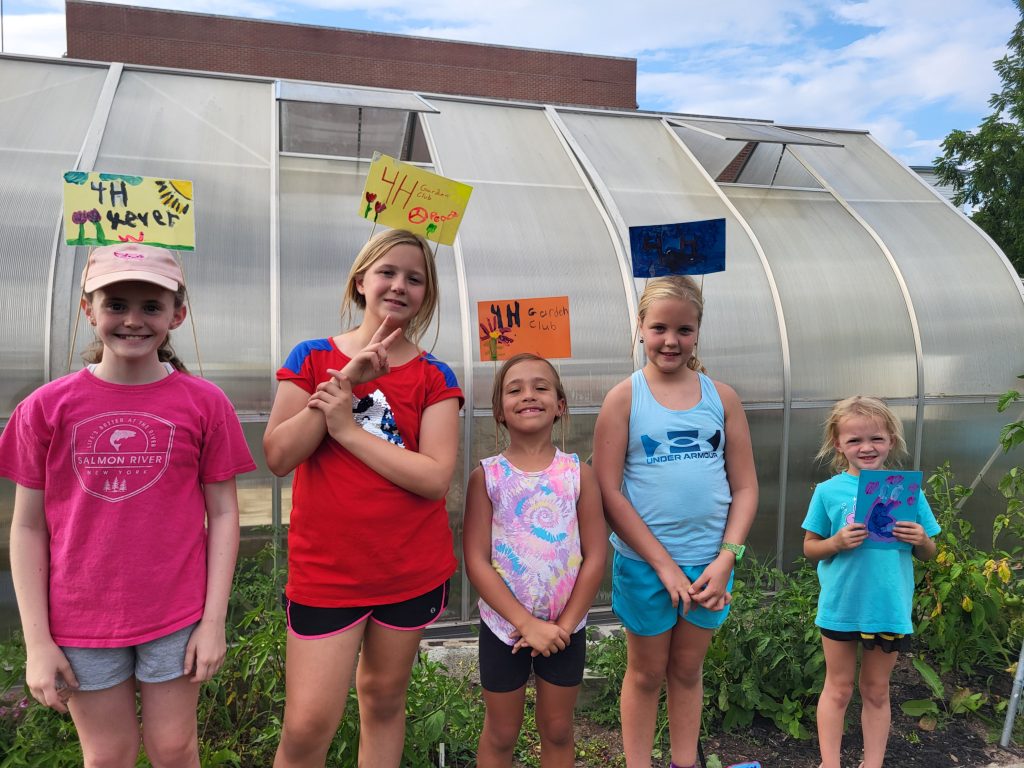
Firefly has also partnered with other community groups. The Penn State University Master Gardeners hosted a Seed to Supper program, which educates people on how to grow their own food. Since last year, itÄ¢¹½ÊÓƵ also hosted a new 4-H gardening club that meets weekly during the growing season.
That group, which started small, has doubled to about 10 to 11 kids, said organizer Clarissa Crist.
The clubÄ¢¹½ÊÓƵ meetings mix lessons about types of plants and when to grow them with science experiments and maintaining the garden, Crist said. At the end of the year, students used crops like tomatoes and bell peppers to make salsa.
In addition to knowledge about plant and environmental science, kids also learn the responsibility of taking care of something.
“I feel like gardening is like one big science experiment, and I feel like thatÄ¢¹½ÊÓƵ how I like to approach a lot of the programs and projects I do with kids — OK, here you go. LetÄ¢¹½ÊÓƵ put you in this environment. LetÄ¢¹½ÊÓƵ give you the tools that you need, and letÄ¢¹½ÊÓƵ just try. And if you fail, thatÄ¢¹½ÊÓƵ OK. We’ll try again next year,â€� Crist said.