

Cheers & Jeers
Brad Hundt
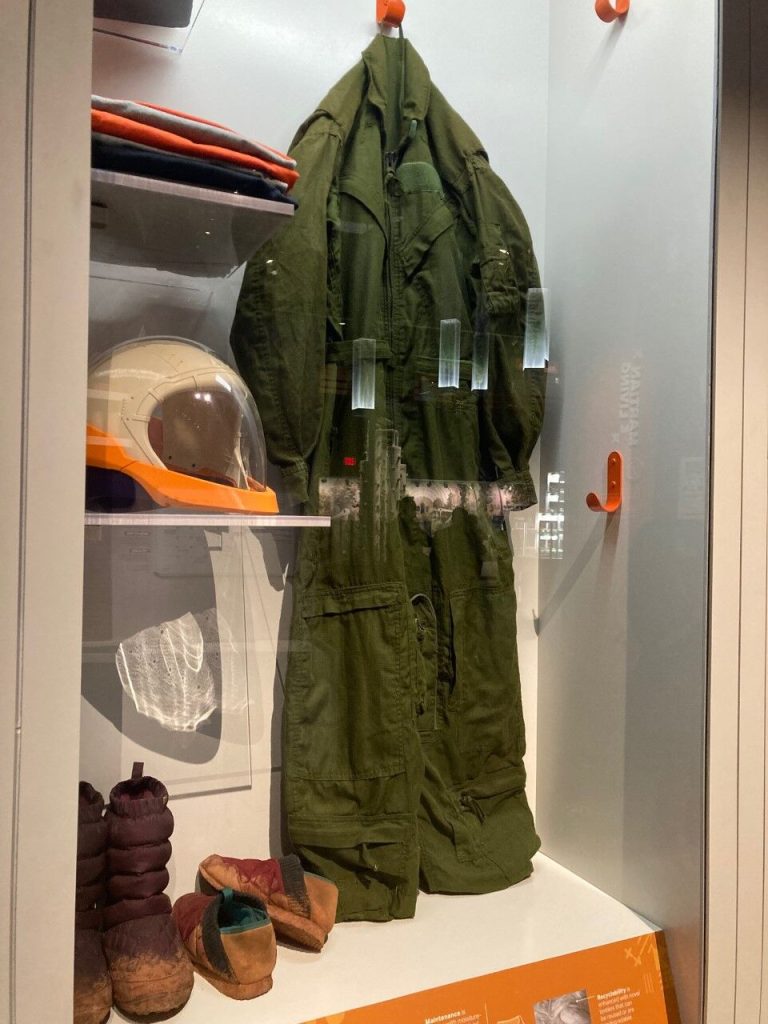
Traveling to and living on Mars would entail wearing special gear, as can be seen in “Mars: The Next Giant Leap� at the Carnegie Science Center.
Markus Schreiber/Associated Press
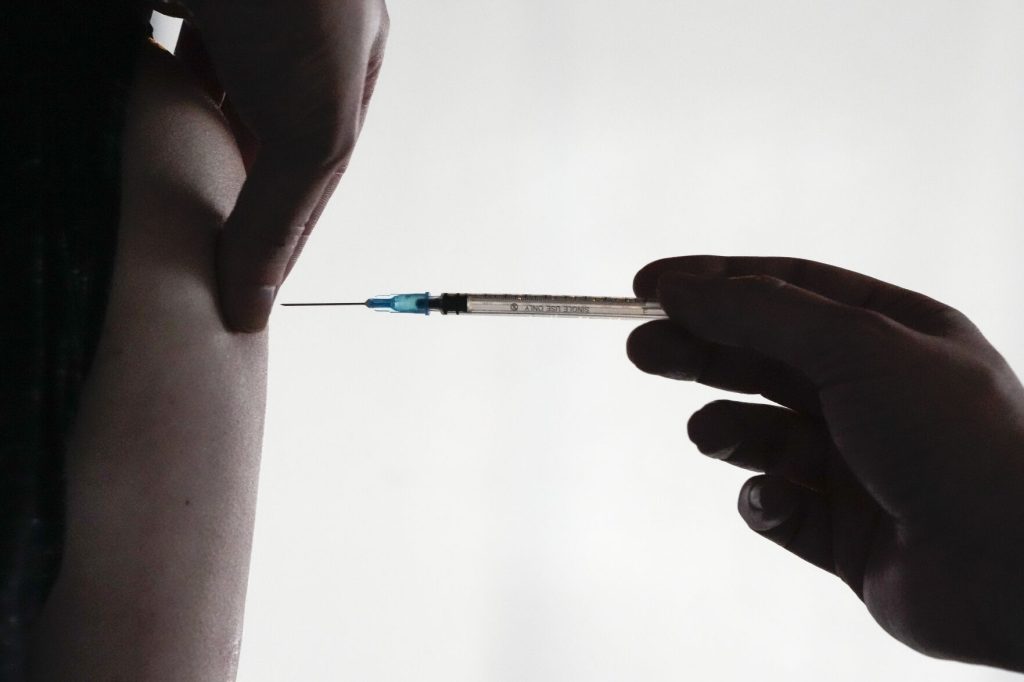
A doctor administers a COVID-19 vaccine in this file photo.
Cheers: Across the coverage areas of the Ä¢¹½ÊÓƵ, Observer-Reporter, Greene County Messenger and The Almanac, churches, organizations and individuals came together yesterday to provide thousands of Thanksgiving dinners to those in need. Both the Connellsville City Church in Fayette County and the City Mission in Washington were among those tending to those who needed a hand or wanted some company on a day dedicated to giving thanks. To the many volunteers and donors who made it all possible, we thank you. As we head toward Christmas, the need becomes even greater for many, as does the stress of trying to provide. There are innumerable ways to help – large and small – and we urge those who are able to consider ways they can do so.
Cheers: We’re at time of year where we are concerned with the decidedly earthly concerns of eating, spending time with family and getting Christmas shopping done in an inflationary time. But, last week, the Carnegie Science Center opened a new permanent exhibit, “Mars: The Next Giant Leap,â€� which examines what it would be like to start a colony on the Red Planet. It would not be easy, to say the very least. You would basically have to launch a civilization from scratch, and it wouldn’t be easy on an orb where the temperature hovers around 100 below, thereÄ¢¹½ÊÓƵ extremely little oxygen, no water, and relatively few inhabitants. Basically, it makes staying at one of those Arctic research stations seem like a stay at a timeshare in Hawaii. But “Mars: The Next Giant Leapâ€� invites us to think about how we can make life on this planet better and more sustainable. The Carnegie Science Center gets a lot of students visiting, but the “Marsâ€� exhibit will stimulate thought and discussion no matter your age.
Jeers: Updated coronavirus booster shots were made available in September, tailored to combat both the original virus and variants that have emerged in recent months. But the number of eligible Americans who have received the shots has been painfully small. The Wall Street Journal reported last week that about 31 million people have received the updated shots. ThatÄ¢¹½ÊÓƵ about 10% of the eligible population. Officials told the newspaper that the easing of pandemic restrictions and the relatively small number of COVID-19 cases have put getting the latest shot on the back-burner for many people. Congress has also taken a pass on approving any additional funding to combat COVID-19, which has limited outreach efforts. With winter on our doorstep and more people spending time at indoor holiday gatherings, the number of coronavirus cases is probably going to increase. Getting the latest booster shot could help you avoid it, or make your symptoms much less severe.