

The rise and fall of ringnecks
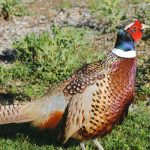
All things change over time, yet itÄ¢¹½ÊÓƵ hard to single out any one thing that has changed as much as hunting.
Today, when hunters around here talk hunting, you can bet the subject is deer, turkeys or bear. Younger hunters have never known anything different. But when hunters of my vintage were eager to first go afield with our dads and uncles, “hunting season� meant small game, especially rabbits and ring-necked pheasants.
ItÄ¢¹½ÊÓƵ an unknown sight today, but on late October and November Saturdays back then, every field and fencerow was alive with red hunters’ caps and vests, while setters and beagles coursed back and forth. Deer season was an anti-climax, unless you went “up north,â€� and bears were unheard of here. The brash and colorful ringneck “roosterâ€� was the ultimate prize.
Pheasants seemed to be everywhere then. I recall one ringneck observation that best recounts their abundance. I was riding the bus to the old North Union High School, peering out the foggy window toward scrubby woods along Coolspring Street en route from Lemont Furnace. Thin snow lay across the slope, just enough to make things stand out among the thickets. As we climbed the hill toward the gym at the north end of the building, I saw pheasants scratching, roosting, and walking all throughout that fragment of woodland. I estimated, and still believe, that about 75 pheasants were in sight from that frosty bus window.
We had bird dogs then, English setters, and they pointed ringnecks by the dozen wherever we went to hunt — along the railroad tracks in Mt. Braddock, in swampy bottoms at Lemont, on scruffy farmland at the base of the mountain and especially on the bigger farms in Westmoreland County, around where the Sony plant is today.
Those were wild pheasants, hatched in local hayfields but the story of ring-necked pheasants here, as in most of North America, is complex and disappointing.
The pheasant, as most people, even non-hunters, know, is not a native American bird. Globe-roving sportsmen brought them here from China and Korea in the late 19th century. The birds caught on and thrived in farmlands of that day, but except for Midwestern prairie states, especially the Dakotas, wild ringnecks are now all but gone.
Many theories attempt to explain their demise. More probably a combination of factors did them in. Urban sprawl has taken its toll. Farm practices have changed a lot, and who can blame farmers for keeping pace? Hay gets mowed earlier and more often and nests get destroyed. “No-till� planting reduces soil erosion but the herbicides that are part of the process eliminate weedy cover. Years ago farms were a jumble of diverse crops, dense fencerows, weedy corners and woodlots. Today most farms devote all their tillable acreage–and more–to one crop, either corn or soybeans. A bleak winter corn or bean field now offers no shelter from weather or the opportunistic predator.
But even after all that, hard-core bird-dog enthusiasts continue to hunt ringnecks around here, owing less to nature than to artificial stocking of pen-raised birds. Each autumn, before and during the pheasant hunting season, the Game Commission raises and releases about 200,000 ringnecks on state game lands and some private lands open to public hunting. The Commission openly admits that these plantings are in no way an attempt to restore a self-reproducing population. The birds are raised and released solely to provide hunting recreation, financed through license dollars that hunters themselves pay for the privilege.
This year, due to a fortunate — but temporary — convergence of circumstances, the Commission will be releasing more birds than normal — about 240,000 statewide.
But unlike wild birds that sustain themselves, the pheasant stocking program is alarmingly expensive — about $4.3 million annually. Through banding some stocked pheasants and analyzing band recovery rates, the Commission calculates that roughly half of its birds actually get bagged by hunters. The rest get lost to road-kills, bad weather, predators, or outright escape. That means that each harvested pheasant finding its way into a hunterÄ¢¹½ÊÓƵ coat costs the commission roughly $40, about equal to their revenue from two hunting licenses.
In a recent press release the Game Commission announced that despite the current surplus of pen-raised pheasants, this could be the last year of stocking. The Commission says itÄ¢¹½ÊÓƵ hard to see how it can continue rearing and releasing pheasants unless the state legislature grants it an increase in the cost of a hunting license. The Game Commission can’t raise the price without lawmakers’ approval, and the last time license fees went up was in 1998.
“We have been forced as an agency to make many cuts to staff and programs, and moves to make the pheasant propagation program less costly are among these,� said Game Commission executive director R. Matthew Hough. “Fortunately for pheasant hunters, however, those moves will result this year in more ringnecks released. But the future of pheasant hunting in Pennsylvania might not be as bright.�
Some hunters have proposed that the Commission institute a pheasant-hunting stamp, through which serious pheasant hunters could help fund the stocking program above and beyond their general license fee. But so far the board of game commissioners has been reluctant to pursue that course.
The three-phase pheasant season opened yesterday and continues through Nov. 26. It reopens on Dec. 12-24, and then again Dec. 26-Feb. 28. Seasons are more liberal than in the past to encourage a more efficient take of the pen-raised birds. Hunters may take two pheasants daily. Only male pheasants may be taken in Wildlife Management Units 2A and 2C, which comprise our local region.