

Masontown council reverses police layoffs
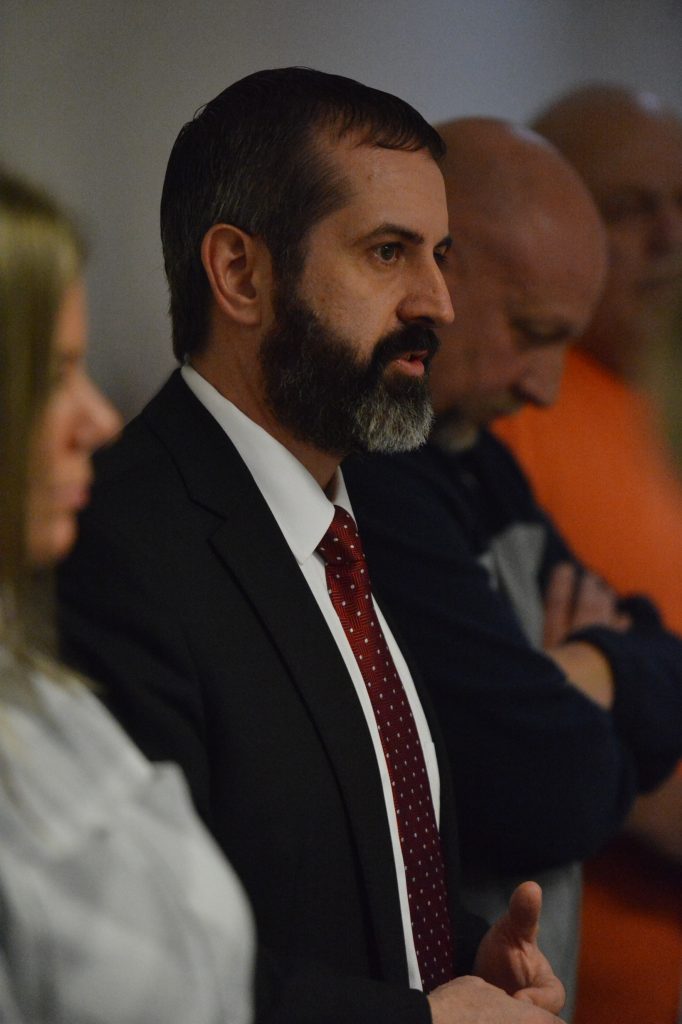
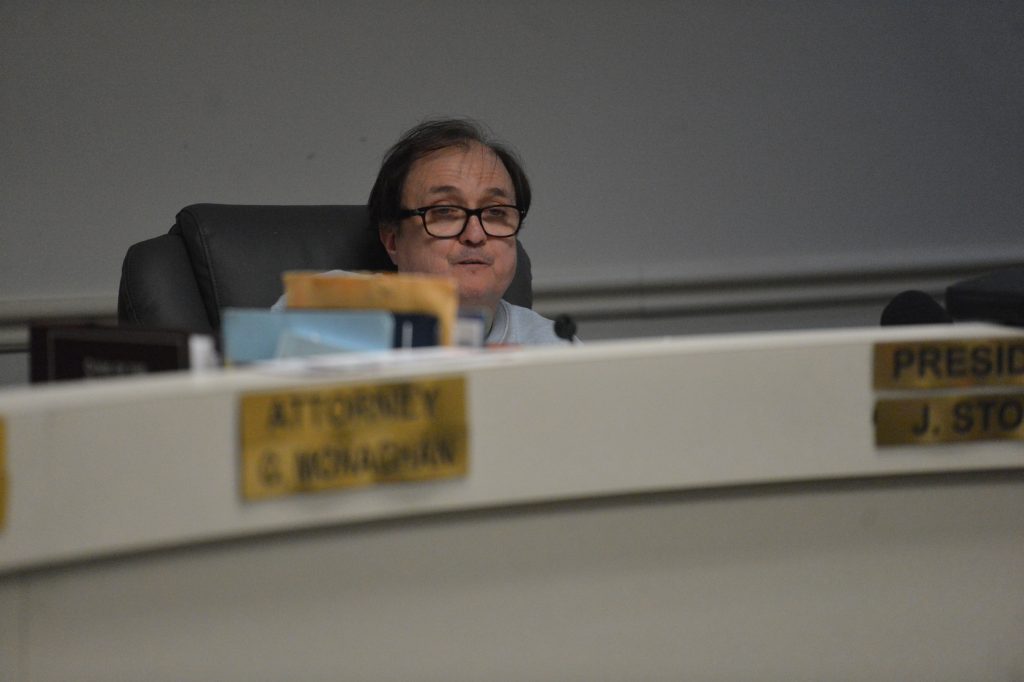
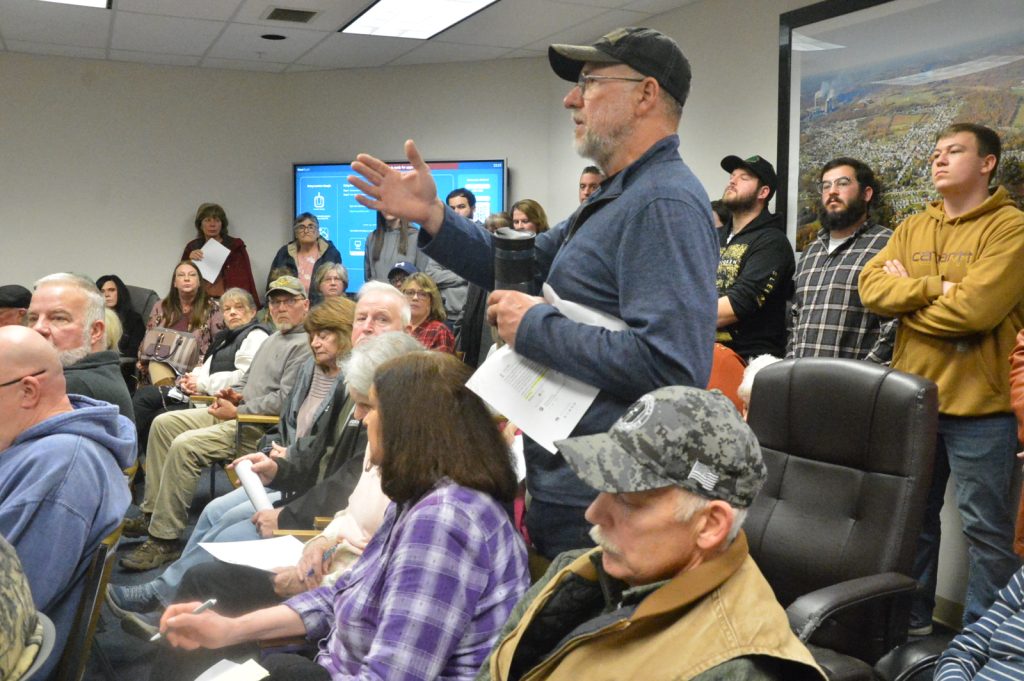
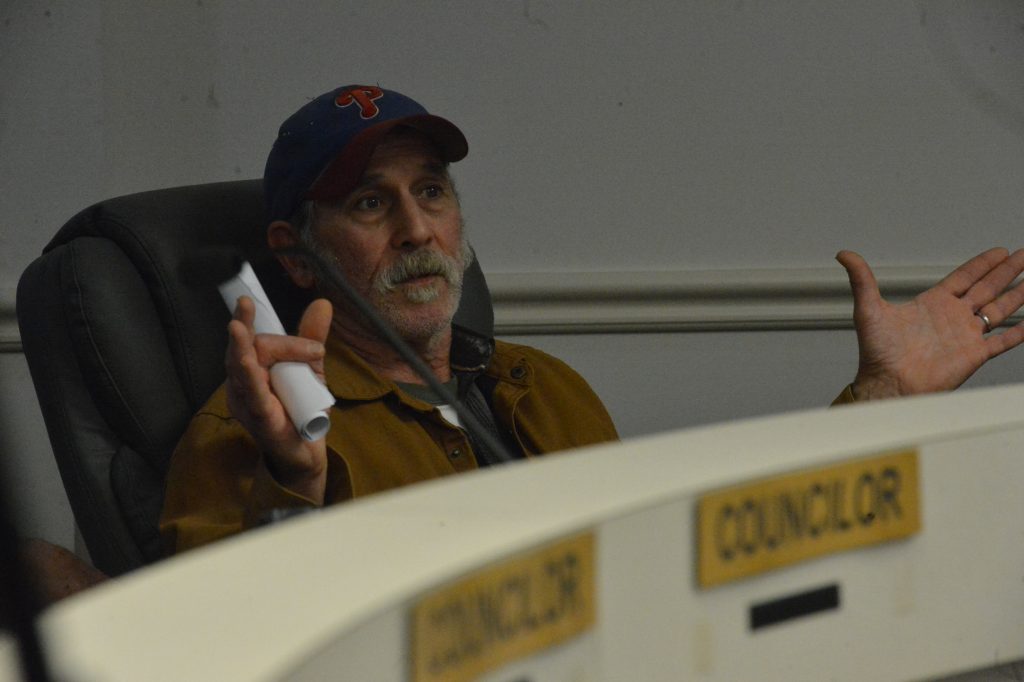
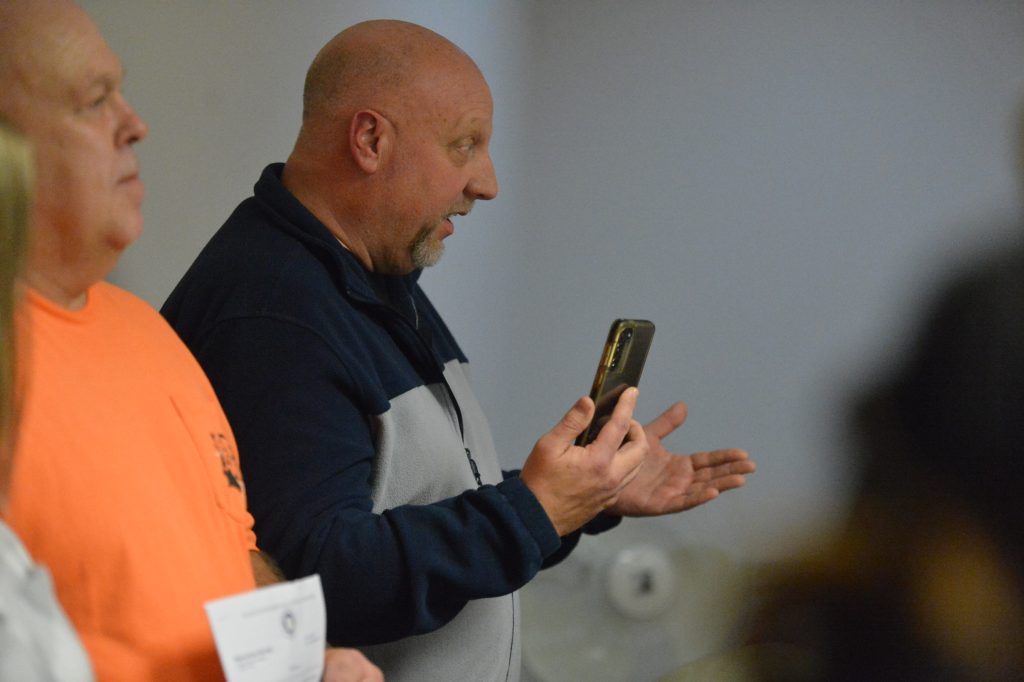
Five days after voting 6-1 to lay off the staff of the boroughÄ¢¹½ÊÓƵ police department, the Masontown Borough Council rehired the officers at a special meeting Saturday night.
The 6-0 vote restored funding for the department throughout fiscal year 2026, while carrying over any surplus into next year. It also committed the council to reopening negotiations with Teamsters Local 491 to renew the police contract.
“I accept my personal assessment was inaccurate,� Councilman John Chahl said during the meeting. “Folks obviously believe we need a police department and are willing to pay for it, and I’m more than happy to provide.�
SaturdayÄ¢¹½ÊÓƵ vote was cheered by the standing-room-only crowd, which numbered more than 60 in the council chambers and also spilled out into the hall.
Residents were resoundingly critical of councilÄ¢¹½ÊÓƵ Monday vote, which had not been posted on the agenda beforehand.
“Your decision was a blatant disregard for public safety,� said Masontown resident Melissa Brant. “When people feel blindsided, that is not because they weren’t paying attention. It is because transparency failed.�
Council President John Stoffa said he had wanted the layoffs as a way to lower property taxes in the borough. Most of the 5.92 mills in property tax goes to the department.
Before SaturdayÄ¢¹½ÊÓƵ vote, he pushed for more detailed reports, and also for the department to introduce prospective hires to the council before a vote on approving them.
After the meeting, he said he didn’t think the borough had gotten value for what they were spending, noting monthly police reports that had shown two traffic citations.
“I think there was a culture of laziness, and I wanted to improve,� he said. “We’re spending $485,000. I want results.�
Members of the public who spoke at SaturdayÄ¢¹½ÊÓƵ meeting said the department played a crucial role in the borough. One woman said officers had responded within three minutes to a report of a home invasion. She compared that to the 40-minute response time from state police officers further out in Uniontown, which would have been tasked with handling police response in the borough had it not rehired officers.
Given a choice between lower taxes and retaining the police presence, several residents said they would take the police.
“I’m willing to pay extra if I have to,� one resident said near the end of the meeting. “We just have to take and cut back on groceries or whatever. But at least we know our backs are covered.�
Police Chief Thomas O’Barto said he was “shocked beyond words� by the level of support.
“I thank God for every one of them,� he said. “They saved the department.�
Besides O’Barto, the department has two full-time and six part-time officers, he said. All are returning to duty after SaturdayÄ¢¹½ÊÓƵ vote, though O’Barto said some had been hesitant.
The budget allows for the department to cover 15 shifts, versus the 21 needed for around-the-clock staffing.
“They were leery about having this reoccur again right after they brought everything back,� he said after the meeting. “You don’t want to live like that. You don’t want to work that way. Now they’ve got some safety valve underneath them, and they’ll come back. They do the same good job they always do.�
O’Barto said he believed the layoffs had been motivated by past clashes between the department and council members, a characterization Stoffa denied. Stoffa had filed a federal suit against the department, later settled, claiming the department had singled him out for unfair treatment after criticizing what he viewed as police corruption.
The reforms Stoffa had asked for after MondayÄ¢¹½ÊÓƵ meeting were “minorâ€� changes that could have been accomplished at any time by asking, O’Barto said.
“All of this could have been handled with a phone call or a knock on the door,� he said. “None of this had to occur … it might be a blessing in disguise, because the people have now been heard.�
Fayette County District Attorney Mike Aubele had sent a letter to the borough stating his plans to file a suit over the original vote, saying that the councilÄ¢¹½ÊÓƵ lack of notice had violated the state Sunshine Act.
At SaturdayÄ¢¹½ÊÓƵ meeting, he thanked the council for restoring the officers, and the public for its show of support.
A visibly emotional Aubele also noted his personal connection to the borough, where heÄ¢¹½ÊÓƵ owned a business for the past 12 years.
“My wife works here. My daughter works here. My children are here,� he said. “My 7-year-old spent most of his summer at the bakery with his mother. To know that these guys are back on the clock and they’re not going to have to wait for somebody to come out here means a lot to me.�